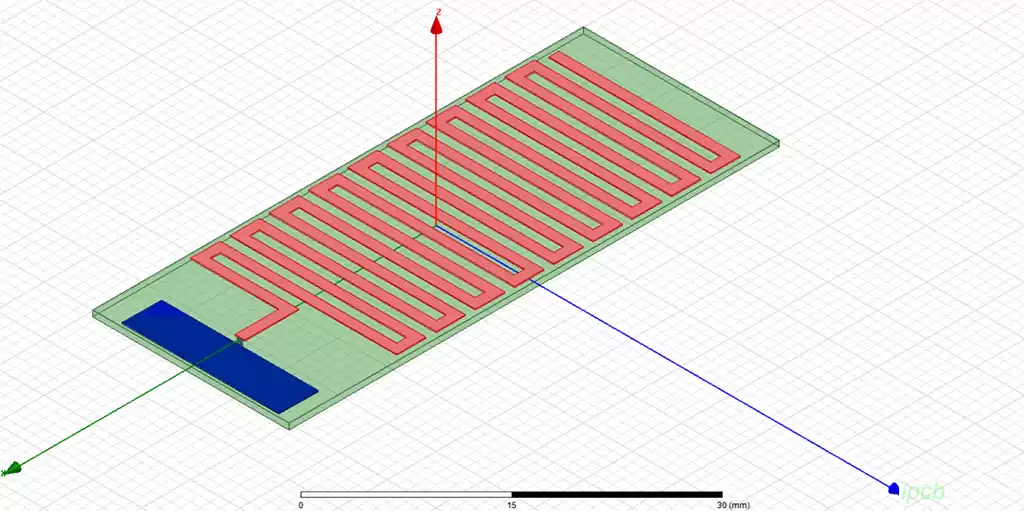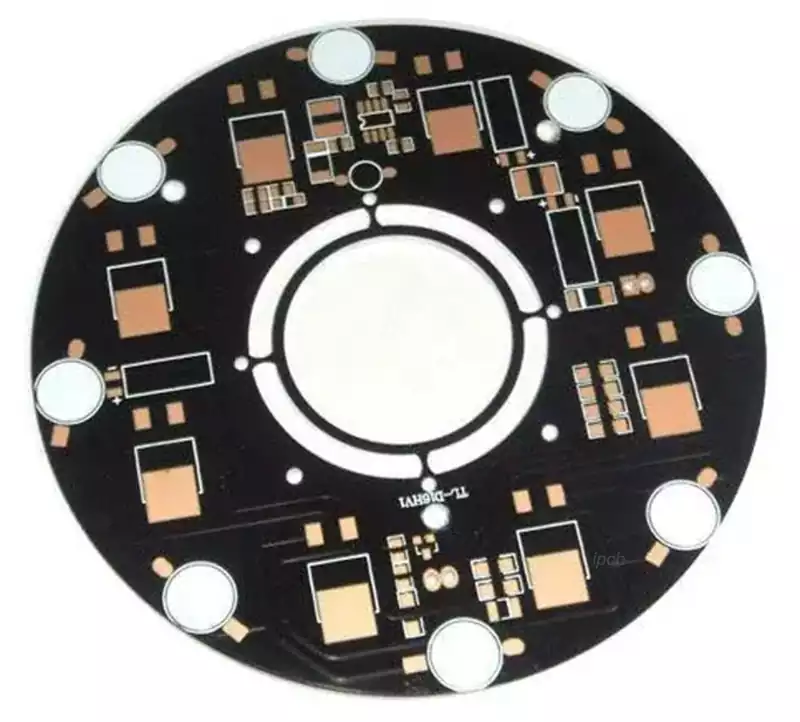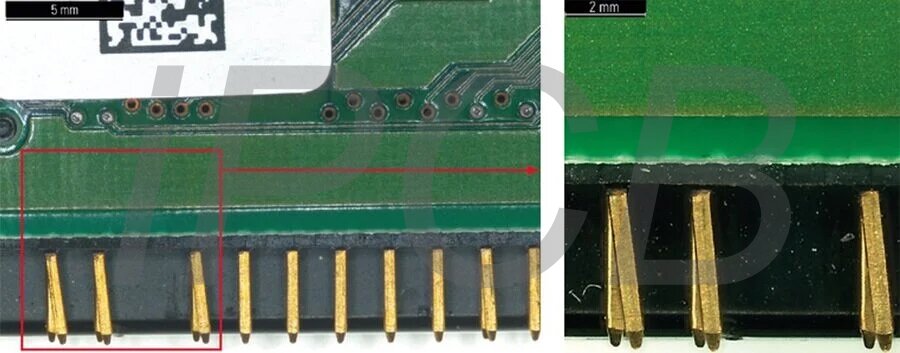
PCB weather radar refers to radar systems manufactured using printed circuit board technology, specifically designed for meteorological detection and monitoring. Unlike traditional radar systems, PCB radar achieves a highly integrated, miniaturized design, making the radar system more compact and lightweight while delivering performance comparable to traditional large-scale radars. This radar can monitor meteorological elements such as precipitation, cloud structure, and wind speed, providing accurate real-time data for weather forecasting.
PCB weather radar offers a series of significant advantages in meteorological monitoring, particularly in enhancing efficiency, reducing costs, and improving reliability. Key benefits include:
1.Miniaturization and Portability
Compact size and lightweight: Traditional meteorological radar systems are often bulky and cumbersome, making them difficult to move or deploy. PCB meteorological radar, through integrated circuit design, significantly reduces its size and weight. This miniaturized design allows flexible deployment on various platforms, such as drones and mobile weather stations.
Deployment Flexibility: This compact nature allows PCB radars to adapt to diverse meteorological monitoring requirements, particularly in hard-to-reach areas or locations requiring temporary deployment.
2.Low Cost
Lower Production Costs: The inherent high integration and automated manufacturing characteristics of PCB technology result in relatively low production costs for PCB radars. Compared to traditional radar systems, this significantly reduces overall equipment expenses without compromising performance.
Low Maintenance and Upgrade Costs: Its streamlined structure facilitates easy component replacement and maintenance, substantially lowering long-term operational expenses and upkeep fees.
3.High Reliability and Durability
High Stability: PCB radar systems typically incorporate high-quality electronic components. Their high integration reduces complex connections and potential failure points common in traditional radars, ensuring more stable operation.
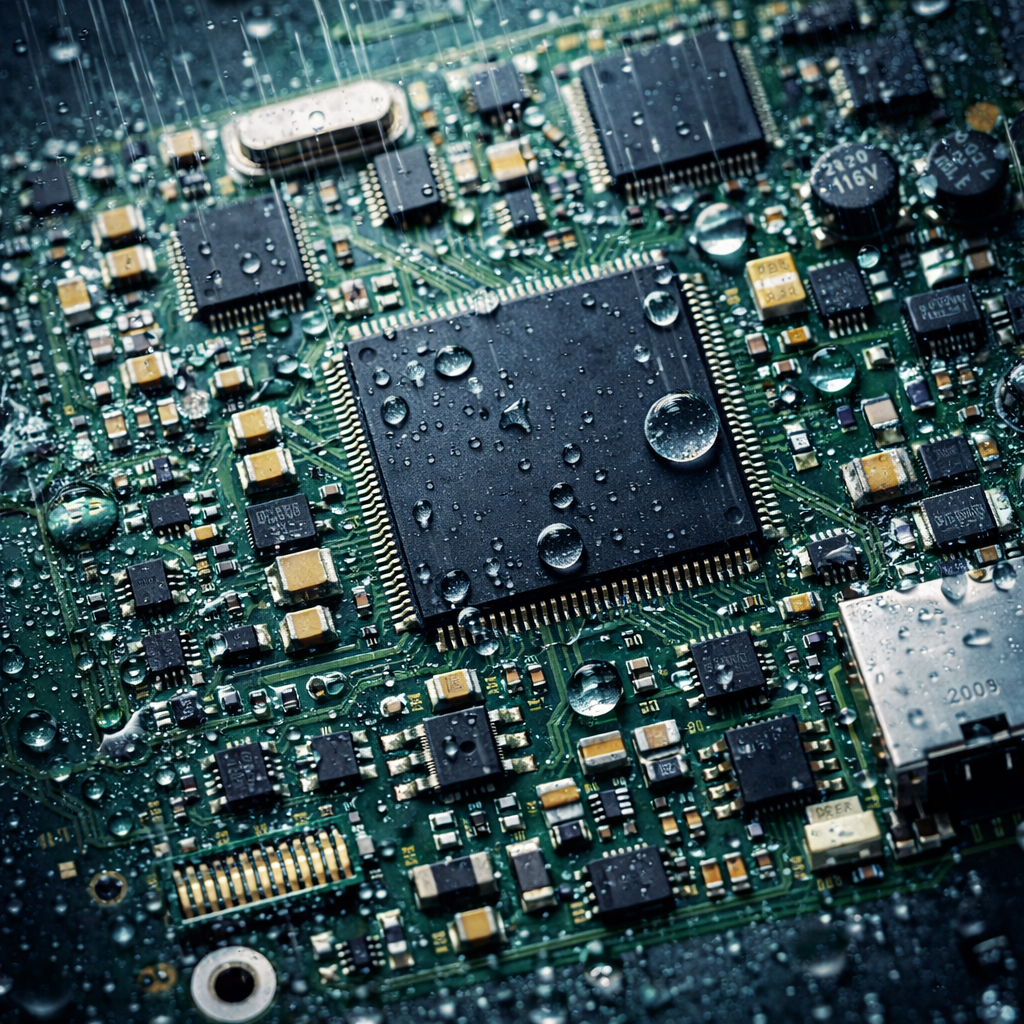
Adaptability to Harsh Environments: Weather radars frequently operate under diverse and extreme climatic conditions. PCB radar designs incorporate circuit boards and components with robust interference resistance, enabling adaptation to high humidity, strong winds, ice, snow, and other adverse weather conditions.
4.Easy Integration and Intelligence
Seamless Integration with Other Systems: PCB radars integrate effortlessly with other meteorological monitoring equipment, communication systems, and data processing platforms. This high compatibility allows radar systems to better participate in modern meteorological monitoring networks.
Intelligence and Automation: With advancements in data analysis and processing technologies, PCB weather radar systems can integrate with artificial intelligence and big data platforms to achieve real-time data analysis, automated forecasting, and early warnings, further enhancing forecast accuracy and response speed.
5.Flexible Application Scenarios
Mobility: Due to its compact size and lightweight design, PCB radar is suitable for deployment across diverse geographical environments. It can be mounted on mobile platforms such as drones, vehicles, and vessels for dynamic meteorological monitoring, even enabling real-time tracking of large-scale weather changes.
Low-Altitude Monitoring: PCB radar is also effective for monitoring weather conditions at low altitudes, particularly in scenarios demanding high-precision meteorological data for aircraft and drones, providing real-time safety assurance for flight operations.
6.High Efficiency and Real-Time Capabilities
High Frequency and Precision: PCB weather radars enable high-frequency signal processing and data acquisition, capturing minute details of meteorological changes. Compared to traditional radar systems, they offer faster signal processing speeds and higher data update frequencies, achieving more precise and timely weather monitoring.
Multi-Target Detection Capability: PCB radars possess enhanced multi-target tracking and analysis capabilities, enabling simultaneous monitoring of multiple meteorological phenomena (such as precipitation, wind speed, cloud structure, etc.), thereby improving the overall accuracy of weather forecasts.
7.Environmentally Friendly
Low Power Consumption: Due to their precision integrated design, PCB weather radars have relatively low power consumption, allowing prolonged operation without frequent battery or energy source replacement. This offers a more sustainable solution for remote areas without grid access or environments requiring continuous monitoring.
8.Rapid Deployment and Response
Quick Installation and Commissioning: Traditional radar systems often require extensive time for installation, debugging, and optimization. The PCB weather radar’s simple, modular structure enables rapid deployment and activation, making it ideal for responding swiftly to sudden weather events.
Real-Time Data Feedback: Integrated with technologies like internet connectivity and satellite communications, PCB weather radars enable real-time data upload and feedback. This ensures rapid transmission of meteorological data to meteorological agencies, facilitating swift decision-making.
Applications of PCB Weather Radar in Meteorological Monitoring
PCB weather radar, with its compact size and high efficiency, is increasingly applied in meteorological monitoring, particularly significant in the following areas:
Precise Precipitation Monitoring: Precipitation forecasting and monitoring are crucial for weather forecasting, yet traditional radar systems have limited coverage. PCB radar systems, through multi-frequency detection, enable real-time monitoring of precipitation intensity, distribution, and type, enhancing the accuracy of weather forecasts.
Storm and Thunderstorm Monitoring: PCB radars can promptly capture the occurrence and development dynamics of storms and thunderstorms, assisting meteorological departments in issuing early warnings to reduce disaster-related losses.
Mobile Meteorological Platforms: Due to their compact size and portability, PCB radars can be mounted on mobile platforms like drones and weather satellites for dynamic monitoring, enhancing the flexibility and timeliness of meteorological data collection.
Low-Altitude Weather Monitoring: Understanding weather changes is critical for low-flying aircraft. PCB weather radars can be deployed on aircraft to monitor cloud layers, wind speeds, and weather changes in real time, improving flight safety.
Continuous Development Prospects
With ongoing technological advancements, PCB weather radar technology continues to evolve. Future iterations will feature higher integration, lower power consumption, and enhanced data processing capabilities, enabling more powerful functions and broader application scenarios. PCB radars will play increasingly vital roles in intelligent meteorological monitoring networks, precise weather forecasting, and climate change research.
Furthermore, the integration of PCB weather radar with emerging technologies like artificial intelligence, big data, and cloud computing will significantly enhance the accuracy and efficiency of meteorological monitoring. This convergence will provide robust technological support for global weather warnings and disaster prediction.