
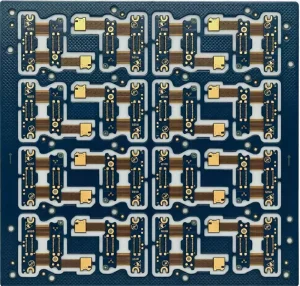
High-frequency microwave pcb manufacturing technology
With the continuous advancement of communication technologies and the shift towards intelligent automotive electronics, market demand for high-power printed circuit boards and high frequency microwave pcbs continues to rise, becoming
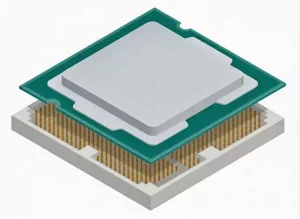
Key Considerations for BGA Pad and Routing Design
As electronic products evolve towards higher integration and miniaturisation, Ball Grid Array (BGA) packaging has become an indispensable component type in modern PCB design, thanks to its high-density interconnections and
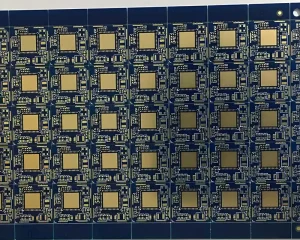
Double Sided PCB Soldering Tips and Precautions
Due to their high routing density and excellent space utilisation, double sided pcbs are widely used in various electronic products. However, their dual-sided layout and metallised via structure place higher
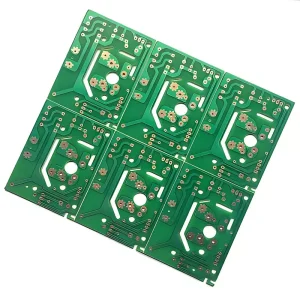
Layering strategies for multilayer PCBs
The layer-up strategy for multilayer PCBs directly determines signal integrity, power supply stability and electromagnetic compatibility (EMC), and is a core skill that hardware engineers must master. A well-designed layer-up
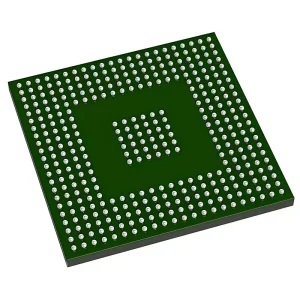
BGA Packaging Design and Defect Prevention and Control
BGA packaging has become the mainstream form of integrated circuit packaging due to its high density, high reliability and excellent electrical and thermal performance. Compared to traditional DIP and QFP
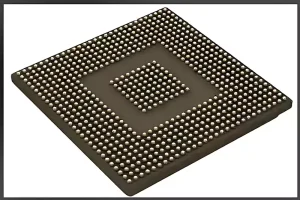
Manufacturing Process and Applications of BGA Substrates
A BGA substrate (Ball Grid Array Substrate) is the core carrier of a ball grid array package; essentially, it is a high-density interconnect (HDI) multilayer PCB used to mount the

Classification and Testing of Bare PCBs
A bare PCB serves as the core framework of a traditional circuit board; its fundamental function is to guide the flow of current through carefully designed circuit paths, and it
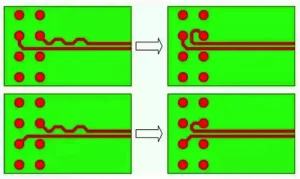
Tips for Optimising PCB Routing
In the design of power adapters, the quality of the PCB routing on the bare PCB directly determines the stability, reliability and electromagnetic compatibility (EMC) of the entire unit. A
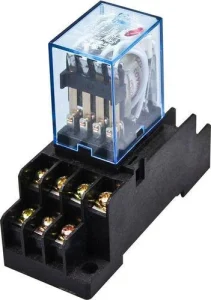
Optimizing Relays Electronic Components for High-Voltage DC Switching
The Physical Framework and Operating Limits of Relays Electronic components As the progenitor of “weak current controlling strong current” in the electronics industry, the core value of relays lies in
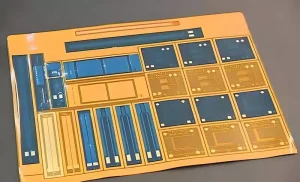
Classification and Manufacturing Processes of FCCL
Printed circuit boards (PCBs) are the core components of modern electronic products, and their manufacture relies on a key base material: copper-clad laminate (CCL). Depending on product form and application,
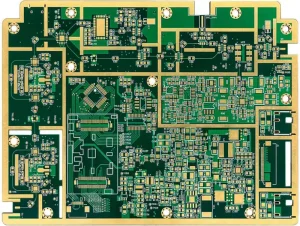
Core Specifications and Practical Implementation of RF Board Layout
The soundness of RF board layout directly determines the transmission quality of RF signals, interference immunity and the overall performance of the equipment; it is a core aspect of RF
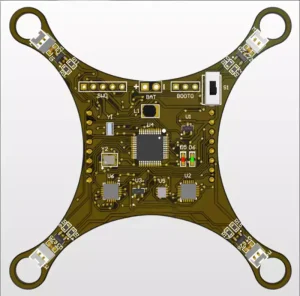
Core Components of Drone PCB Assembly (PCBA) and Key Procurement Considerations
In today’s rapidly evolving technological landscape, drones have become deeply integrated into every aspect of daily life and industrial production, emerging as indispensable smart devices. At the heart of a
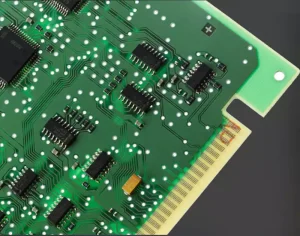
A comparison of leaded solder and lead free solder processes
The key difference between leaded solder and lead free solder processes lies in the lead content of the solder. According to the EU RoHS Directive, lead content must be below
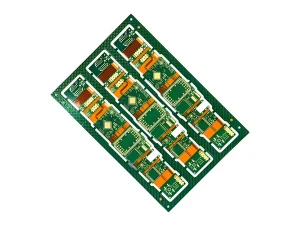
Key Considerations in the Design of Rigid Flex Boards
As PCBs evolve towards being lighter, thinner, smaller and more compact, rigid flex boards (also known as rigid-flex assemblies) have emerged as a key technology for reducing the size and
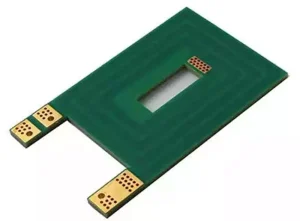
Choosing between gold plated circuit board and immersion gold plated boards
As IC pin densities increase and signal frequencies rise, the choice of PCB surface treatment process has become particularly critical. Gold plated circuit boards were once favoured for their high
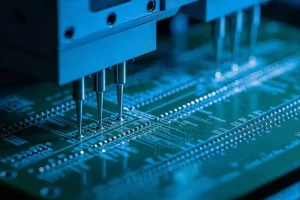
Key Points of FCT Testing
What is FCT testing? The core principle of FCT (Functional Circuit Test) is to treat the PCBA as a complete functional module, simulate its actual operating environment within the end
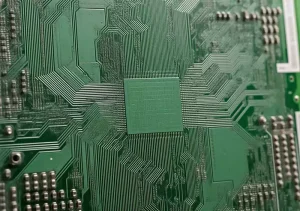
Substrates and processes for rigid PCBs
The defining characteristic of rigid PCBs (rigid printed circuit boards) is that they are ‘non-flexible’; relying on their rigid substrate, they provide stable support and electrical connection pathways for electronic
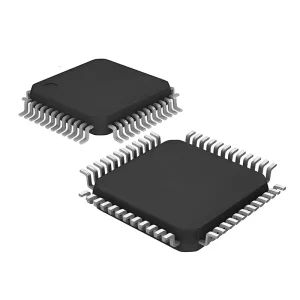
Types of Functional Structures in IC Packaging and Methods for Selection
IC packaging involves encapsulating the bare die—cut from a wafer—into a complete component that can be directly mounted onto a PCB. It fulfils three fundamental functions: establishing an electrical connection
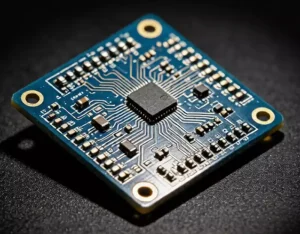
Key Points in RF PCB Design and Manufacturing
What is a RF PCB? Put simply, a RF PCB is a printed circuit board specifically designed for the transmission and control of radio frequency and microwave signals. Within the
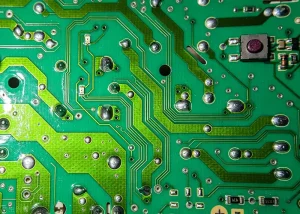
Design and Applications of Through Hole PCB Technology
In the field of PCB design and assembly, through hole PCBs remain a core technology—even though surface-mount technology (SMT) now dominates most modern devices. Many engineers still opt for through
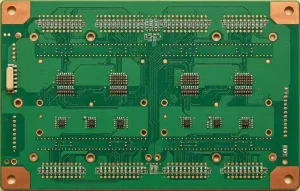
Practical 6 layer PCB Design
As electronic products continue to evolve towards lighter, thinner designs and higher levels of integration, hardware design is no longer confined to simple two- or four-layer boards. 6 layer PCBs
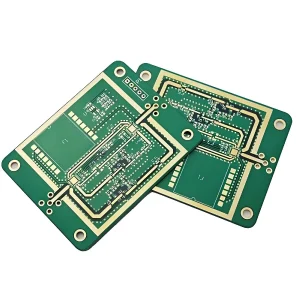
An In-Depth Analysis of Hardware PCB Proto Board Development
Redefining the PCB Proto board : A Core Hub and Risk Control Point in Hardware Product Development In the grand narrative of hardware innovation, the PCB prototype is often misunderstood
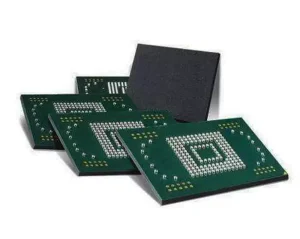
Principles and Applications of Millimetre Wave Radar
Millimetre wave radar is a precision detection device operating in the 30–300 GHz millimetre wave band. Its wave length lies between that of microwaves (1–100 mm) and far-infrared waves (0.75–1
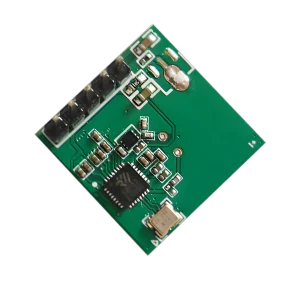
Innovations in the metallisation of millimetre wave radar antennas
In millimetre wave radar systems, the antenna is the core component that determines system performance; its design and manufacturing process directly influence detection range, angular resolution, sensitivity and interference resistance,