Redefining the PCB Proto board : A Core Hub and Risk Control Point in Hardware Product Development
In the grand narrative of hardware innovation, the PCB prototype is often misunderstood as a simple, transitional “circuit verification object.”
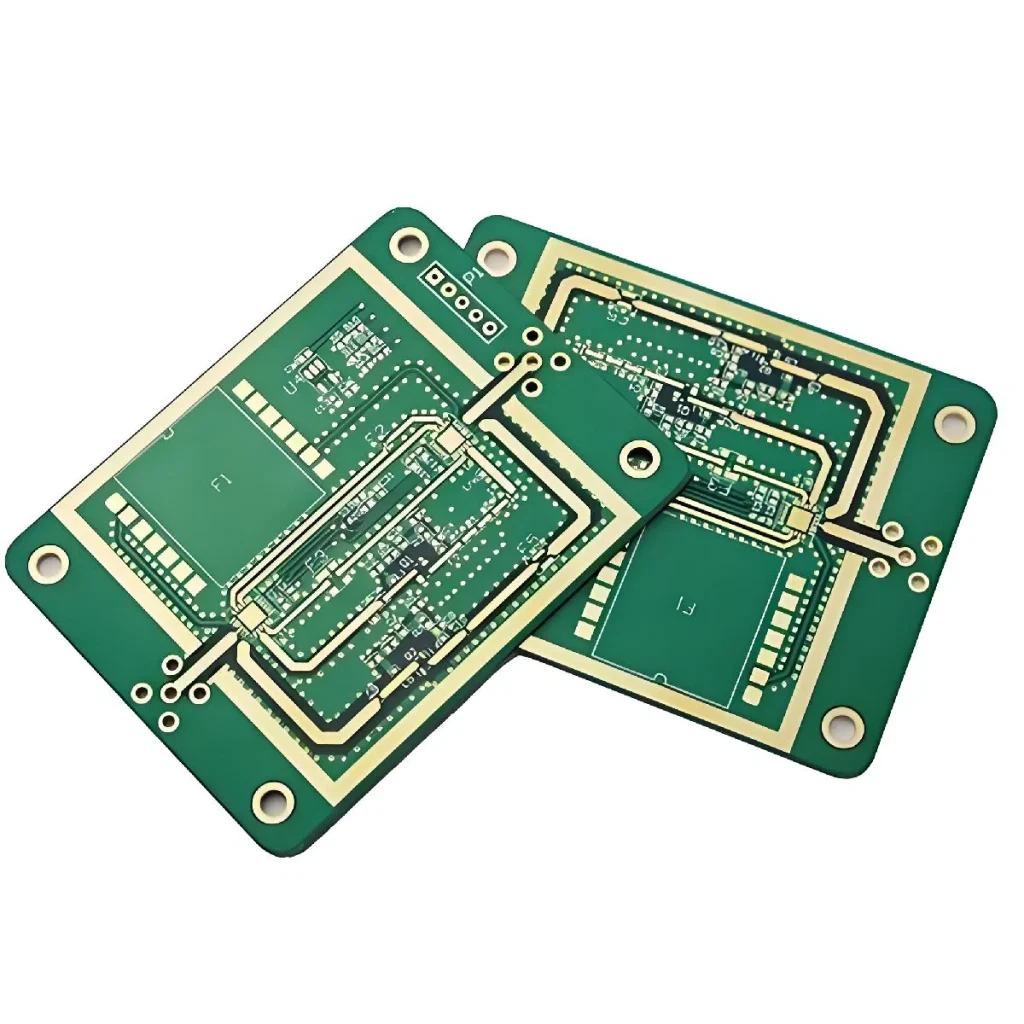
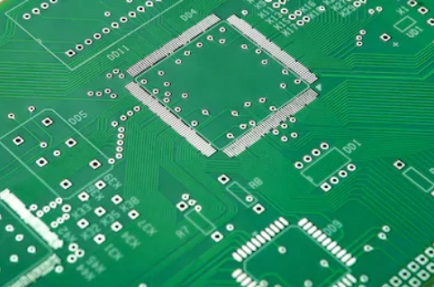
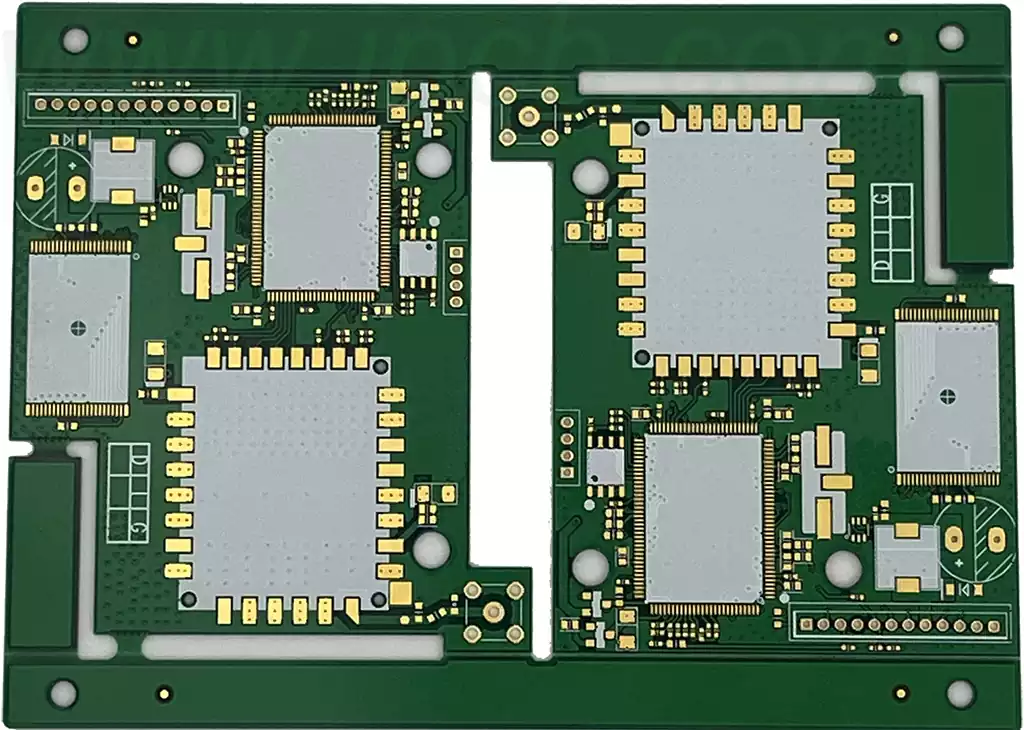
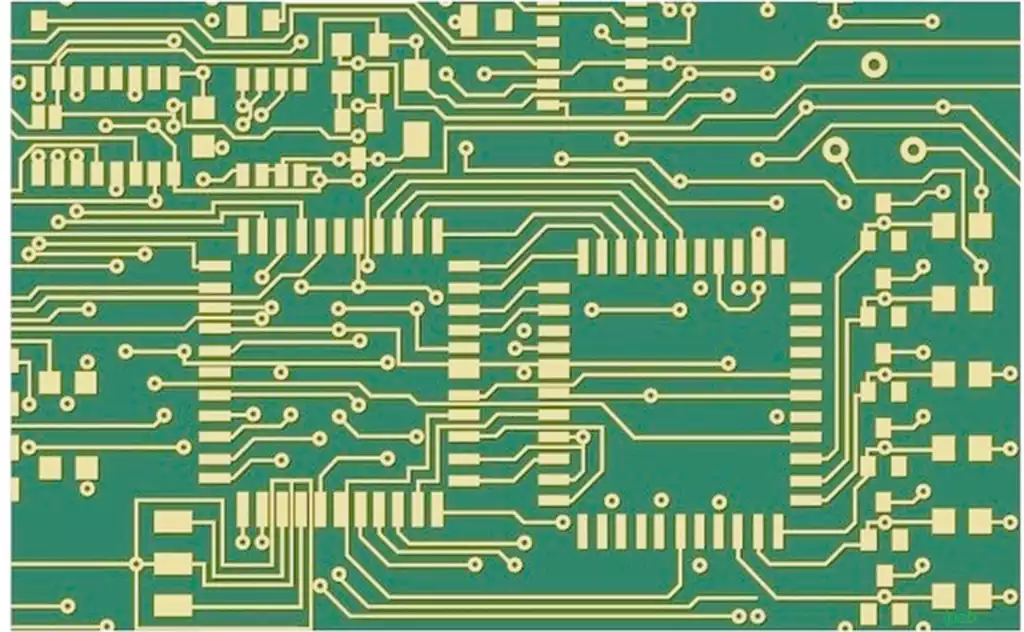
This perception is dangerous and costly. We must redefine it as a “miniature product” that undergoes the first systematic integration and stress testing of product functionality, performance, reliability, manufacturability, and cost in the real physical world.
It is the only insurmountable physical bridge connecting abstract design (schematics, layout) and mass-producible industrial products.
An excellent prototype project is far more valuable than simply “proving the circuit works.” Its deeper goal is a multi-dimensional risk detection and mitigation system:
Technical Risk Detection: Verifying the performance boundaries of critical circuits (e.g., bit error rate of high-speed signals, signal-to-noise ratio of analog front-ends, efficiency and temperature rise of power circuits).
Engineering Risk Detection: Exposing engineering implementation defects in the design (e.g., thermal bottlenecks, structural interference, connector stress, electromagnetic compatibility hazards).
Supply Chain Risk Detection: Testing the availability of key components, alternatives from Tier 2 suppliers, and the process capability boundaries of PCBA fabrication plants.
Cost Risk Detection: Anchoring the actual cost of a single board through actual BOM procurement and SMT processing, providing a precise baseline for subsequent cost optimization.
Therefore, investment in prototype boards is essentially a “risk investment” in all subsequent R&D, production, marketing, and even after-sales stages. The decision-making logic should be based on a balance between “fidelity requirements” and “iteration speed.” Should we create a “low-fidelity, high-iteration” modular verification board, or a “high-fidelity, low-iteration” complete system prototype? This needs to be determined based on the key uncertainties of the project.
For example, for a completely new RF architecture, you might first need to create a “low-fidelity” pure RF front-end evaluation board for intensive algorithm and RF performance iteration; while for the productization of a mature architecture, you need to directly create a “high-fidelity” complete system engineering prototype to verify all interfaces and overall system reliability.
High-Fidelity Prototype Board Implementation:
Signal, Power, and Thermal Integrity Beyond “Connectivity” Creating a board that can “power on and operate” is fundamental; the true goal of the prototyping stage is to create a board that “meets performance standards and is stable and reliable.”
This requires designers to proactively consider the following engineering challenges during the prototyping phase:
Signal Integrity: Early Preparation for the High-Speed Battlefield
Even in prototypes where digital circuits operate at only tens of megahertz, signals with rise times in the nanosecond range already exhibit significant edge effects. For high-speed interfaces, modeling, simulation, and layout implementation must be completed during the prototyping stage.
Transmission Line Control: For clock lines and high-speed serial buses, strictly controlled impedance design according to target impedances is essential. Impedance requirements must be clearly indicated in the PCB prototyping files, and layer stack-up confirmation must be obtained from the board manufacturer. The prototype board’s layer stack-up should be as consistent as possible with the expected mass-production board.
Return Path and Segment Crossing: This is the most easily overlooked SI issue. It is crucial to ensure that the return current of every high-speed signal has a continuous, low-inductive path. High-speed signal lines must not cross segment planes, especially in power segment areas. During prototype design, the reference planes of all critical signal lines must be carefully examined.
Termination Strategy Verification: The resistance value and location of series termination resistors should be tested with multiple options reserved on the prototype board. Fly-by topologies and ODT settings required for complex buses such as DDR should be verified through testing on the prototype board.
Power Integrity: Building a Stable Power Network. Power supply noise is a major cause of system instability and performance degradation. The prototype board is an excellent platform for debugging power systems.
Power Distribution Network Design: During the PCB layout stage, low-impedance power supply paths should be planned for each power domain. Use sufficient power/ground vias to reduce planar inductance. On the prototype board, test points can be deliberately placed in different locations to measure the distribution of power supply ripple and noise using an oscilloscope and near-field probes.
Practical Decoupling Capacitor Deployment: Theoretical calculations are only the starting point. On the prototype board, for the power pins of critical chips, different combinations of capacitance values, packages, and placement positions should be tested on multiple reserved decoupling capacitor pads to measure their impact on power supply noise and high-speed operating stability. This provides firsthand, invaluable data on decoupling strategies.
Thermal Design and Structural Engineering: Thermal performance is the ultimate constraint on performance and reliability. Prototype boards must be designed and verified concurrently with the product’s mechanical structure.
Thermal Simulation and Actual Calibration: During the PCB design phase, thermal simulation software is used for preliminary analysis of high-power chips and areas. During the prototyping phase, actual temperature measurements must be performed using thermal imagers and thermocouples, and the measured data must be calibrated against the simulation model. This is the only reliable basis for optimizing thermal design (such as heatsink selection, thermal pad thickness, and airflow design).
Mechanical Stress Verification: The insertion and extraction stress of connectors and cables, the stress at screw fixing points, and the deformation of boards under vibration can all lead to solder joint fatigue or even circuit breakage. After prototyping assembly, basic mechanical tests should be performed, such as repeated insertion and extraction and slight bending, to observe for any connection abnormalities.
Design for Manufacturing and Testing: Bringing Mass Production Thinking to the Prototyping Stage
“Manufacturability” should not be a concern only before mass production, but should be deeply embedded in the prototype design. This not only improves the success rate of the prototype itself but also saves months of time for subsequent work.
Early Application of Design for Manufacturability (DFM) Rules
Even the initial engineering prototype should follow a set of relaxed but core DFM rules:
- Pad and Stencil Design: For devices with pads on the bottom, such as QFNs and BGAs, the pad design should facilitate good solder joints. Different stencil aperture schemes (such as a grid pattern) can be tried during the prototype stage, and the soldering effect can be checked with X-rays to accumulate data for mass production stencil design.
- Design for Testability: In addition to regular test points, flying probe test points or boundary scan interfaces should be reserved for critical networks. For complex systems, probe space and positioning holes required for ICT test fixtures should be reserved on the prototype board in advance. Even if fixtures are not fabricated during the prototype stage, this maintains the testability of the design.
- Identification and Traceability: In addition to the reference designator, the version number, unique serial number, and critical test point names should be clearly marked on the silkscreen on the board. This is crucial for large-scale debugging and problem tracing.
PCBA Assembly Prototyping Strategies
SMT mounting of prototype boards also requires a strategy:
“Master Controller + BOM” Combination: Two to three fully mounted “master controller boards” can be created for overall system functional testing. Simultaneously, several “minimum system boards” with only resistors, capacitors, power chips, and other basic components can be created for modular debugging and risk verification. This is more flexible and cost-effective than fully mounting all components on all boards.
Combination of Hand Soldering and Machine Placement: For uncertain, expensive, or long-lead-time ICs, a “SMT-mounted resistors and capacitors + hand-soldered ICs” approach can be adopted. The PCB design should reserve space for hand soldering convenience for these ICs.
Supply Chain Collaboration and Small-Batch Production: The Leap from Prototype to Product
After prototype verification, there is a huge “Darwinian trench” between the first small-batch production (NPI). Crossing it requires systematic supply chain work.
Long Lead Time for Material Preparation
The lead time for many critical chips (especially high-performance analog, RF, and master controllers) can be as long as 30-50 weeks. Long-term availability assessments of materials must be initiated during the schematic design phase. During prototyping, contacts should be established with agents or distributors to understand sourcing channels, minimum order quantities, and the availability of acceptable secondary sources. The “Long-Lead Items” list in the prototype BOM should be managed as the highest-risk item.
Deep Collaboration with PCB Engineering Documents and Suppliers: Sending Gerber files, drilling files, and impedance requirement tables to the PCB manufacturer is just the beginning. Direct communication with the PCB supplier’s engineering team is crucial:
Layer Stack-up Confirmation: Collaborate with the manufacturer’s engineers to confirm the final production layer stack-up structure, ensuring that dielectric constant, copper thickness, and trace width/spacing meet your impedance and current capacity calculations.
Process Capability Confirmation: Clarify the manufacturer’s minimum trace width/spacing, minimum hole diameter, copper foil type, and surface treatment capabilities. For HDI boards, confirm the maturity of special processes such as laser vias and in-hole plating.
First Article Confirmation: Before small-batch production, it is essential to request the manufacturer to produce a first article and conduct detailed dimensional, impedance, and flying probe tests, providing a test report. This is the last line of defense against batch PCB quality problems.
Quality Control System for Small Batch Production
Small batch production is a rehearsal for establishing mass production quality control processes.
SMT Pre-Production Review: Hold pre-production meetings with SMT factory engineers to review stencil aperture schemes, mounting procedures, and reflow soldering temperature profiles. For leaded/lead-free mixed components or special devices, special process confirmation is required.
Early Development of Test Fixtures: Develop simple functional test fixtures using test schemes validated in the prototype stage. Even PC-based automated script testing can greatly improve testing efficiency and consistency in small batch production.
Data Collection and Feedback Loop: During small batch production, systematically collect data such as first-pass yield, defect types, and repair records. This data is the foundation for optimizing designs, improving processes, and writing formal “Test Instructions” and “Maintenance Operation Instructions,” and is a core asset for translating R&D results into manufacturing.
Summary: Prototype Boards are the Touchstone of Systems Thinking
The PCB prototype development process is a concentrated test of a hardware team’s systems thinking, engineering capabilities, and cross-departmental collaboration level. It forces engineers to step out of the ideal world of circuits and confront all the real-world constraints of materials, processes, heat, mechanics, testing, and supply chains.
A successful prototype project delivers more than just a working circuit board; it should be a prototype of a complete “productization package,” including at least:
A final schematic and PCB file validated through real-world testing.
A complete Bill of Materials (BOM) with a list of qualified suppliers.
Performance test reports and margin analyses for critical circuits.
Manufacturability review reports and suggested improvements.
Preliminary test plans and tooling requirements documentation.
Supply chain assessment reports for critical materials.
Therefore, approach each prototype creation with the utmost respect and the most systematic engineering methods. Every prototype is a valuable, irreplaceable, and real-world learning opportunity. Every problem discovered on the prototype is clearing a landmine for the future product; every design validated on the prototype adds a cornerstone to the product’s success. This is the irreplaceable strategic significance of PCB prototypes in the hardware innovation value chain.