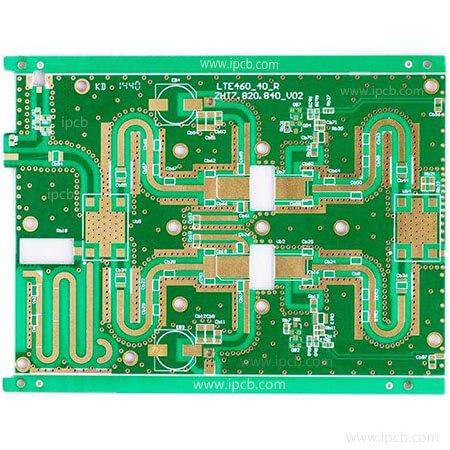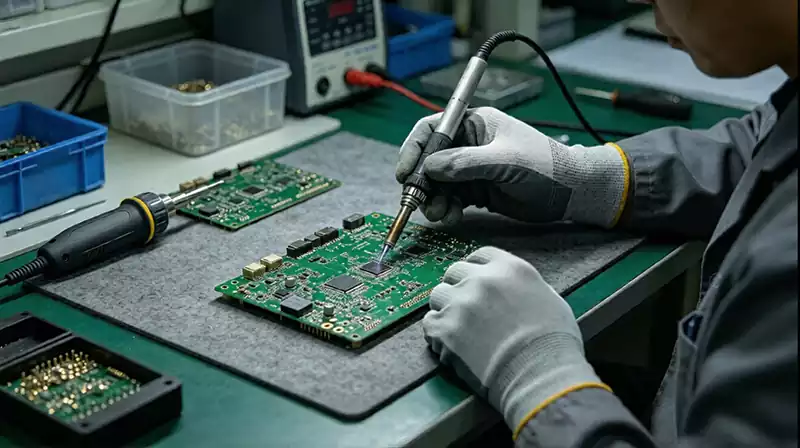
What is FCT testing? The core principle of FCT (Functional Circuit Test) is to treat the PCBA as a complete functional module, simulate its actual operating environment within the end product, apply real-world input signals, and verify whether the output response meets design requirements. Put simply, it involves providing the Unit Under Test (UUT) with appropriate stimuli and loads to operate it under various design conditions, thereby verifying that its functions are working correctly. FCT typically refers specifically to the functional testing of PCBs.
Unlike ICT (In-Circuit Testing), which focuses on inspecting components and circuits, FCT concentrates on overall functionality and performance. Within the PCB production process, FCT is generally scheduled towards the end of the assembly phase—as only once all components have been soldered in place can real-world operating conditions be simulated. This is also the fundamental difference between FCT and ICT in terms of their positioning on the production line.
Core Principles and System Composition of FCT Testing
The principle behind FCT is straightforward: simulate operating conditions and detect responses. It does not directly measure the parameters of individual components, but rather treats the PCBA as a ‘black box’. By supplying power and input signals via test fixtures and specialised equipment, it captures output signals, compares them against pre-set standards, and determines whether the unit passes or fails.
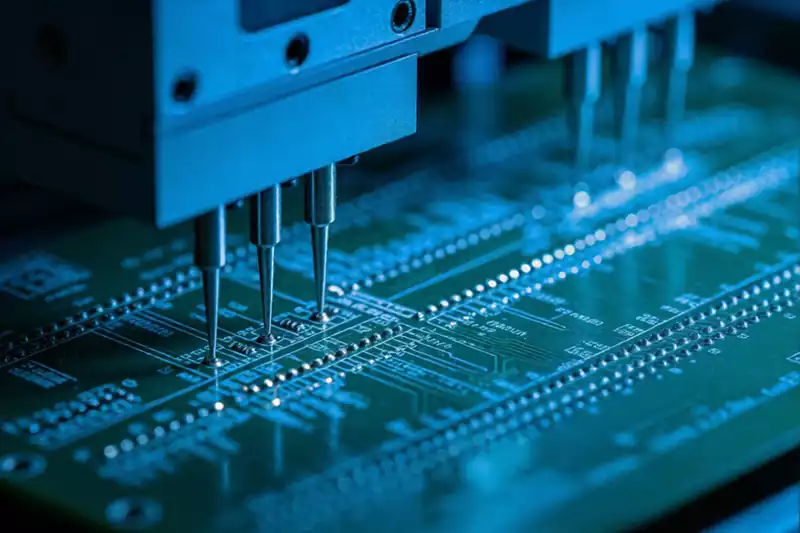
A complete FCT system typically comprises: test fixtures, a test controller, a power supply unit, signal sources, and measuring instruments. Among these, the precision of the test fixture is often overlooked by beginners, yet it directly impacts test results—poor contact can lead to ‘false positives’, causing satisfactory products to be incorrectly rejected.
Test software is the heart of FCT, commonly developed using platforms such as LabVIEW and Python (PyVISA). During debugging, particular attention must be paid to parameter settings (such as input signal frequency and voltage thresholds), which must be adjusted according to the PCBA’s design specifications; there is no standard template.
Standard FCT Testing Procedure
Although the testing steps may vary slightly for different PCBs, the standard procedure typically comprises the following stages:
Power-up: Ensure voltage stability, as sudden fluctuations may damage sensitive ICs.
Initialisation and self-test: The system reads the self-test results from the PCB’s firmware. A common issue is incomplete firmware programming, which causes the self-test to fail; in such cases, the firmware must be reprogrammed before retesting.
Basic parameter testing: Verification of fundamental electrical parameters.
Functional module testing: The core phase, involving the sequential verification of input response, output performance, communication functions, etc. For example: when testing power supply modules, check output voltage ripple; when testing communication modules, verify whether interfaces such as UART and I2C are transmitting and receiving data correctly.
Result evaluation and sorting: The system automatically evaluates the results and generates a test report for traceability.
The Complementary Relationship Between FCT and ICT
In actual production, FCT and ICT are not mutually exclusive but complementary. A sensible combination can significantly improve test coverage and efficiency.
ICT is suitable for the early stages of production: it detects component soldering quality and open/short circuits, pinpoints defects with precision, and can intercept fundamental issues at an early stage, reducing rework costs later on.
FCT is suitable for the later stages of production: it focuses on overall functionality and can detect hardware-software interaction faults that ICT cannot (such as coordination issues between firmware and hardware).
Most factories adopt a ‘ICT + FCT’ combination: first using ICT to eliminate basic defects, then using FCT to verify overall functionality, thereby ensuring coverage whilst improving efficiency.
Common Issues and Troubleshooting Techniques
In practice, many faults are not due to issues with the PCBA itself, but rather to oversights in the testing process.
Frequent misjudgements: The most common issue. First, check whether the fixture probes are worn or make a firm contact; then verify that the signal thresholds and test logic in the software align with the PCBA design specifications. This situation often occurs when the PCBA model is changed but the software parameters are not adjusted in a timely manner.
Excessively Long Test Duration: This can be resolved by optimising the test process, consolidating repetitive steps, and adjusting the software’s operating speed. For instance, rationally arranging the test sequence of functional modules to avoid unnecessary signal waiting times can effectively reduce the test duration per board.
Unclear Fault Localisation: When FCT fails, it is difficult to pinpoint the specific component directly. In such cases, combining the ICT test report with a step-by-step investigation of suspect components and circuits can improve repair efficiency.
From the early to the late stages of PCBA production, FCT consistently serves as the ‘last line of defence’. It not only verifies whether the circuit board functions correctly but also identifies potential issues that may arise during actual use at an early stage, thereby safeguarding the reliability of the end product. A thorough understanding of FCT principles, processes and practical techniques helps to avoid detours in production, thereby enhancing testing efficiency and product quality.