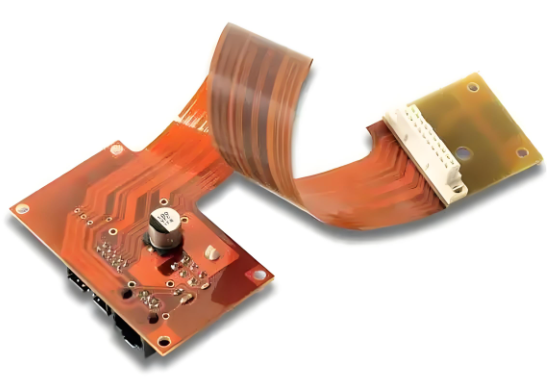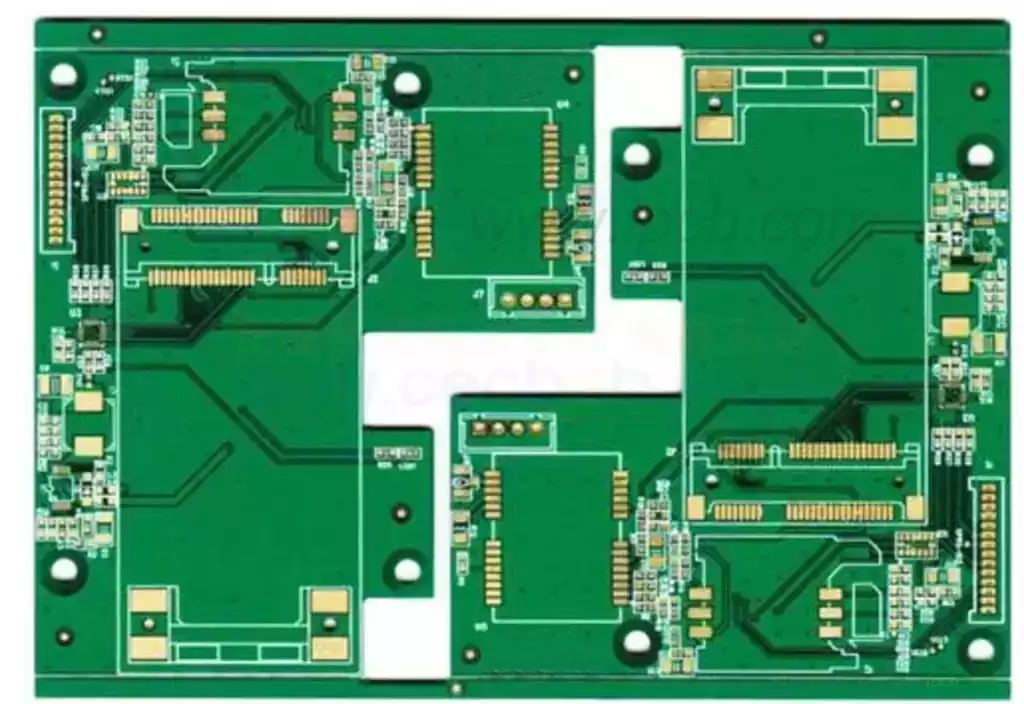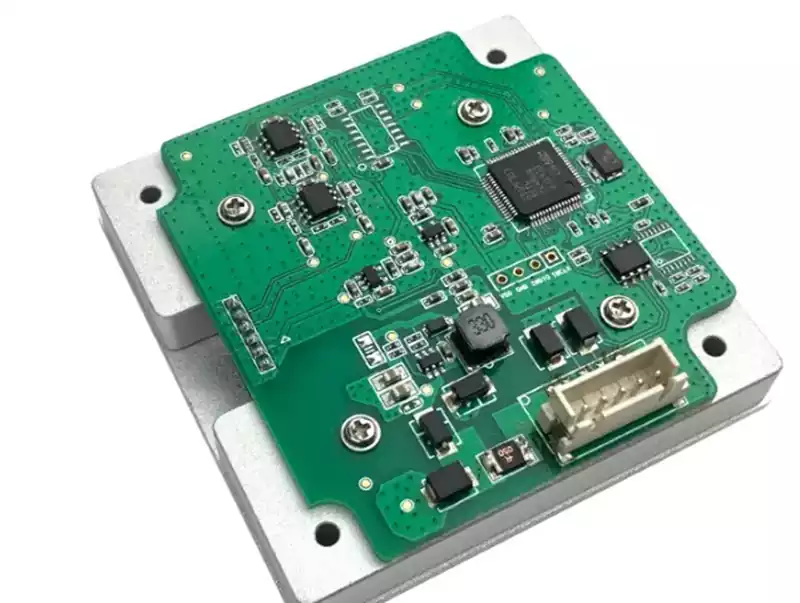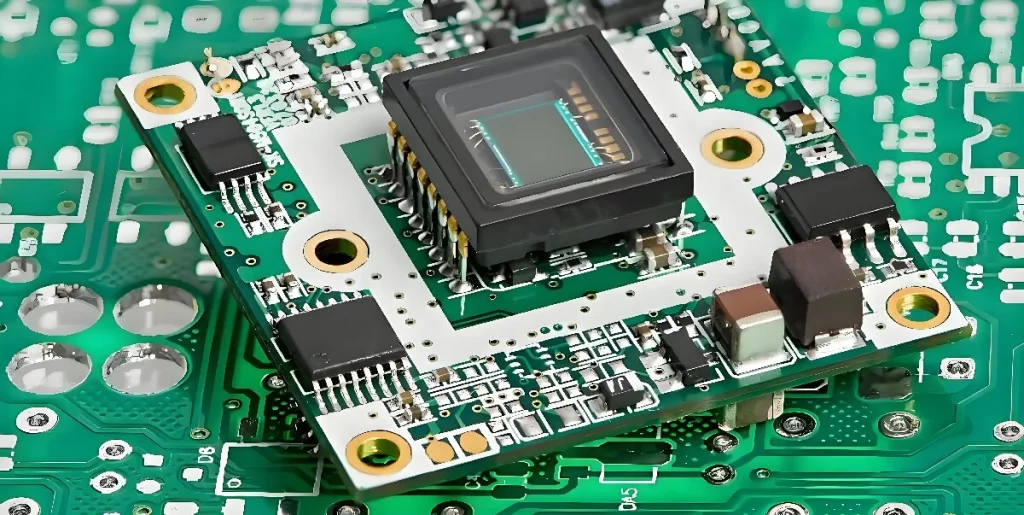
Weather radar pcbs are printed circuit boards specifically designed for weather radar systems. They carry and connect the radar system’s critical electronic components, handling signal transmission, processing, and control. Weather radar is a high-tech device that detects atmospheric phenomena such as precipitation, wind speed, and cloud cover by emitting electromagnetic waves and receiving reflected signals. The circuit board is an indispensable core component within meteorological radar, directly impacting the system’s performance and stability.
Functions of Weather Radar PCBs
Signal Processing and Transmission:
Meteorological radar detects meteorological phenomena by transmitting and receiving electromagnetic waves. The circuit board is responsible for transmitting and processing these signals within the radar system. It connects electronic components like transmitters, receivers, and signal processing units, transmitting radar signals to the receiving module while performing signal amplification and filtering.
Power Amplification and Control:
Weather radar requires power amplification of transmitted signals to ensure they reach distant targets. Circuit boards incorporate power amplifiers and control circuits to guarantee sufficient signal strength and stability.
Data Conversion and Transmission:
Received echo signals must be converted into digital format. The circuit board transmits these signals to the data processing system for analysis. Its performance directly impacts conversion speed and accuracy.
Stability and Reliability Assurance:
Weather radars typically operate in complex and harsh environments, including high humidity, strong winds, and extreme temperatures. The circuit board must exhibit high reliability and durability to ensure stable radar operation during prolonged, high-intensity use.
Characteristics of Weather Radar PCBs
High-Frequency Performance Requirements:
Weather radars operate at elevated frequency bands, demanding circuit boards with excellent high-frequency transmission capabilities. Material selection, signal routing design, and impedance matching all influence high-frequency performance.
Strong Interference Resistance:
During operation, meteorological radars may encounter electromagnetic interference from surrounding electronic devices or environmental factors. Circuit board design must incorporate robust anti-interference capabilities, typically achieved through shielding techniques and filters.
High Integration:
To meet miniaturization demands and integrate more functions, circuit boards often require high integration. This entails packing more components and functionalities onto a compact board, thereby enhancing the radar’s overall performance and reliability.
Durability and Long Service Life:
Weather radar pcbs operate year-round in outdoor environments, demanding robust resistance to environmental factors like high temperatures, humidity, and vibrations to ensure long-term stable operation.
Weather radar PCBs are critical components of radar systems, and the selection of board materials directly impacts radar performance, stability, and durability. Weather radars must process high-frequency signals and withstand harsh environmental conditions during operation. Therefore, PCB materials must meet specific requirements to ensure efficient radar system operation. Below are key requirements for selecting materials in weather radar PCBs:
1.High-Frequency Performance
Operating in elevated frequency bands (typically ranging from several GHz to tens of GHz), the PCB material must effectively support high-frequency signal transmission. To minimize signal attenuation and reflection, the PCB must exhibit excellent signal transmission characteristics and maintain precise impedance matching control.
Requirements:
The material’s dielectric constant (εr) must remain stable, avoiding fluctuations due to temperature, humidity, or frequency changes.
The material’s loss factor (DF) should be low to reduce energy loss during signal transmission.
High performance stability in the microwave frequency band is essential to prevent excessive signal attenuation.
Common Materials:
PTFE (Polytetrafluoroethylene): This material features an extremely low loss factor and excellent high-frequency performance, making it widely used in high-frequency radar applications.
FR4 (Fiber-Reinforced Resin): Although a common PCB material, FR4’s relatively high loss factor typically limits its use to low-frequency or low-band applications.
2.High-Temperature and Moisture Resistance
Weather radars are typically installed outdoors and must withstand extreme climatic conditions such as high temperatures, humidity, and sandstorms. Therefore, PCB materials must possess high-temperature resistance and moisture resistance to ensure stable radar operation under prolonged, high-intensity working conditions.
Requirements:
The PCB material should exhibit high thermal stability, capable of stable operation within a temperature range of -40°C to +85°C or higher.
The PCB should possess excellent moisture resistance to prevent corrosion or electrical failures in high-humidity environments.
Common Materials:
High-temperature-resistant resins: Examples include polyimide (PI), whose superior high-temperature performance makes it suitable for high-temperature environments.
Ceramic substrates: Ceramic materials exhibit exceptional thermal stability and are unaffected by humidity, making them suitable for extreme environments.
3.Electromagnetic Interference (EMI) Resistance and Interference Suppression
Weather radars frequently operate in complex electromagnetic environments, potentially exposed to interference from other electronic devices or natural sources. To ensure radar system functionality, PCB materials must possess strong interference resistance and shielding capabilities.
Requirements:
PCB materials should exhibit high resistance to electromagnetic interference to prevent external electromagnetic waves from disrupting radar signals.
Strong shielding capability against electromagnetic radiation to prevent radar signals from being affected by external noise.
Common Materials:
Metalized copper-clad laminate: A layer of metal (e.g., copper) coated on the PCB provides effective shielding.
Shielding Materials: Certain circuit boards utilize specialized nickel-cobalt alloys or silver plating to further enhance interference resistance.

4.Mechanical Strength and Durability
Weather radar pcbs are often installed in harsh environments, potentially exposed to physical factors like vibration and impact. Therefore, the mechanical strength and durability of the circuit board are also critical.
Requirements:
The substrate must possess high mechanical strength to withstand external physical impacts and vibrations.
The material should exhibit excellent bending resistance to prevent deformation during operation.
Common Materials:
Fiberglass (FR4): This material offers high strength and rigidity, making it widely used in most weather radar systems.
Ceramic Substrates: Due to their superior rigidity and mechanical strength, ceramic substrates are also suitable for demanding meteorological radar applications.
5.Low Loss and High Durability
To ensure clear signal transmission and long-term stable operation, materials for meteorological radar circuit boards must exhibit low loss characteristics and maintain high reliability during prolonged operation.
Requirements:
The circuit board material must have a low loss factor to ensure unimpeded signal transmission.
The circuit board must withstand prolonged operation while maintaining efficient and stable performance.
Common Materials:
Polytetrafluoroethylene (PTFE): Its low-loss properties make it the preferred material for high-performance radar applications.
High-Frequency Ceramic Materials: Ceramic materials are commonly used in high-performance radar systems, offering excellent low loss and durability.
6.Environmental Requirements
With increasingly stringent environmental regulations, material selection for meteorological radar circuit boards must comply with environmental standards, avoid hazardous substances, and enable recyclability.
Requirements:
Lead-free and non-hazardous: Circuit board materials must meet environmental standards such as RoHS (Restriction of Hazardous Substances).
Utilize recyclable materials to reduce environmental impact.
Common Materials:
Lead-Free Soldering Materials: Environmentally compliant soldering materials (e.g., lead-free solder) have become standard in meteorological radar PCB production.
Development Trends in Weather Radar PCBs
Shift Toward Higher Frequency Bands
As weather radar technology advances, an increasing number of radar systems are adopting higher-frequency electromagnetic waves for detection. To meet these higher-frequency demands, weather radar pcbs must exhibit enhanced frequency response capabilities and stable operation at elevated frequencies. Consequently, circuit board materials and designs will progressively evolve toward higher-frequency and high-speed performance.
Increased Integration
Driven by advancements in integrated circuit technology, future weather radar pcbs will achieve higher levels of integration. Through technologies like multi-functional integrated circuits and system-in-package (SiP) solutions, circuit boards will deliver greater functionality within smaller spaces, enhancing overall radar system performance and convenience.
Intelligence and Automation
Meteorological radars are evolving beyond simple signal detection tools. Future systems will integrate artificial intelligence and big data technologies for intelligent analysis and forecasting. PCB design will require support for high-speed data processing, AI algorithm execution, and cloud platform connectivity, enabling more intelligent and automated data collection and analysis.
Eco-Friendly and Low-Power Design
Amid stricter environmental regulations and heightened energy-saving demands, future weather radar pcbs will evolve toward low-power consumption and eco-friendly materials. Adopting low-power designs and high-efficiency materials will extend equipment lifespan while reducing energy consumption, aligning with sustainable development goals.
As the core component of radar systems, weather radar pcbs directly impact system performance, stability, and reliability. From high-frequency capabilities to anti-interference properties, and from environmental resilience to low-loss design, material and design requirements for circuit boards are continuously evolving to meet increasingly complex meteorological monitoring demands. With technological advancements, future meteorological radar circuit boards will evolve in integration, intelligence, environmental sustainability, and low power consumption. These developments will not only enhance radar system performance but also propel meteorological monitoring technology toward greater efficiency and intelligence, providing stronger technical support for weather forecasting and disaster early warning.