As electronic devices continue to evolve toward thinner profiles, higher frequencies, and greater functionality, antenna design faces a critical challenge: extreme space constraints without compromising performance. FPC antennas have emerged as a key solution to this problem. By combining the precision manufacturing processes of PCB technology with flexible substrates, FPC antennas represent more than just the use of flexible materials—they are the result of a deep integration between precision electronics manufacturing and wireless communication technology.
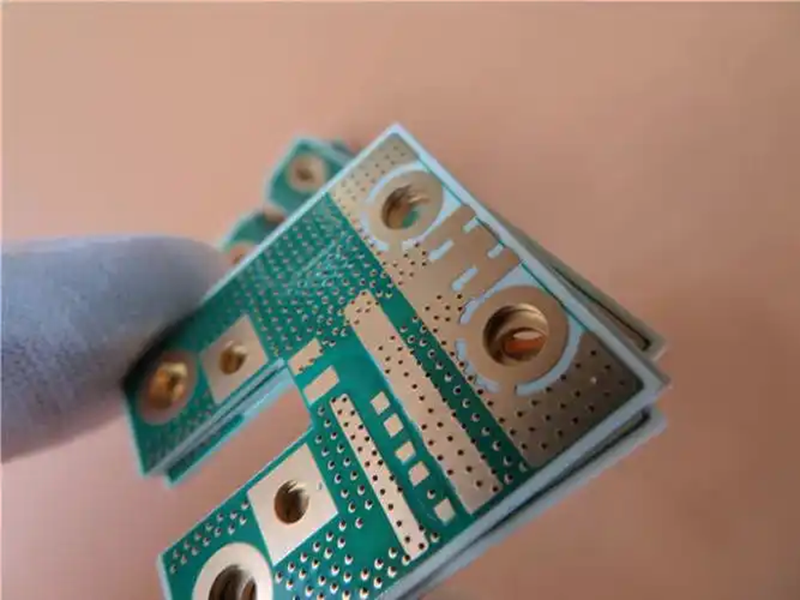
At their core, FPC antennas are electronic components built on flexible substrates. Using mature PCB etching processes, copper traces are precisely formed on flexible dielectric materials such as polyimide (PI) or liquid crystal polymer (LCP). These copper structures integrate the radiating elements, feed networks, and grounding structures, enabling efficient transmission and reception of wireless signals.
The key value of FPC antennas lies in their ability to retain the high precision of PCB manufacturing while gaining the adaptability of flexible materials, allowing antennas to route around internal components and be positioned in optimal locations for signal radiation.
Key Manufacturing Processes of FPC Antennas
The production of FPC antennas relies heavily on accumulated PCB manufacturing expertise, particularly in the following three areas:
1.Selection of Flexible Substrate Materials
The substrate determines both the electrical and mechanical performance of the antenna, making it the starting point of antenna design.
Polyimide (PI)
PI is the mainstream material in the mid- to low-end market due to its moderate cost and mature processing technology. With a dielectric constant of approximately 3.5, it supports frequencies up to 2.4 GHz effectively and is widely used in IoT sensors and entry-level wearable devices.
Liquid Crystal Polymer (LCP)
LCP is the core material used in high-end FPC antennas. With a low dielectric constant of about 3.0 and extremely low loss (loss tangent <0.005), it offers excellent high-frequency transmission performance. LCP supports 5 GHz Wi-Fi and even millimeter-wave applications, while also providing superior thermal stability and moisture resistance. It is the preferred material for 5G smartphones and high-end smartwatches, and mastering LCP processing has become a key capability for PCB manufacturers moving into the high-end market.
2.Copper Trace Formation
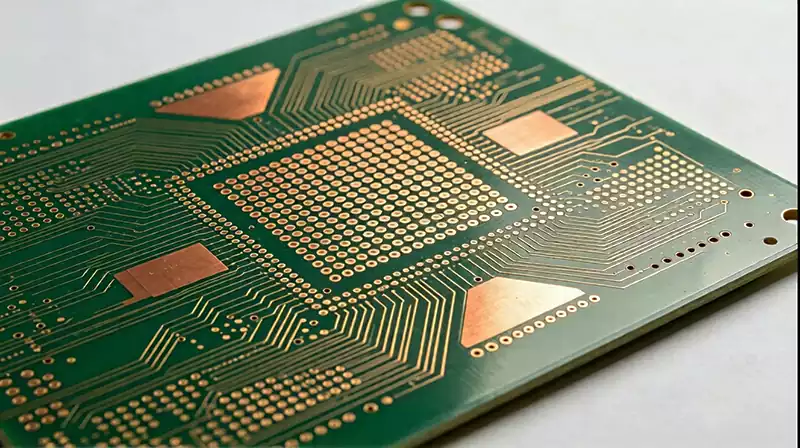
This stage directly utilizes precision PCB etching technology. High-precision copper traces are etched onto the flexible substrate to form the antenna’s specific radiation patterns and feed networks.
The micron-level etching precision developed by PCB manufacturers ensures accurate matching between the antenna geometry and the target frequency bands, effectively minimizing signal loss. At the same time, it guarantees the mechanical reliability of copper traces under repeated bending, which is essential for flexible applications.
3.Integration of Auxiliary Structures
Grounding Structures
Low-impedance grounding connections with the main PCB ensure antenna radiation efficiency while suppressing interference. This requires coordinated optimization between antenna and PCB designs during the early development stage.
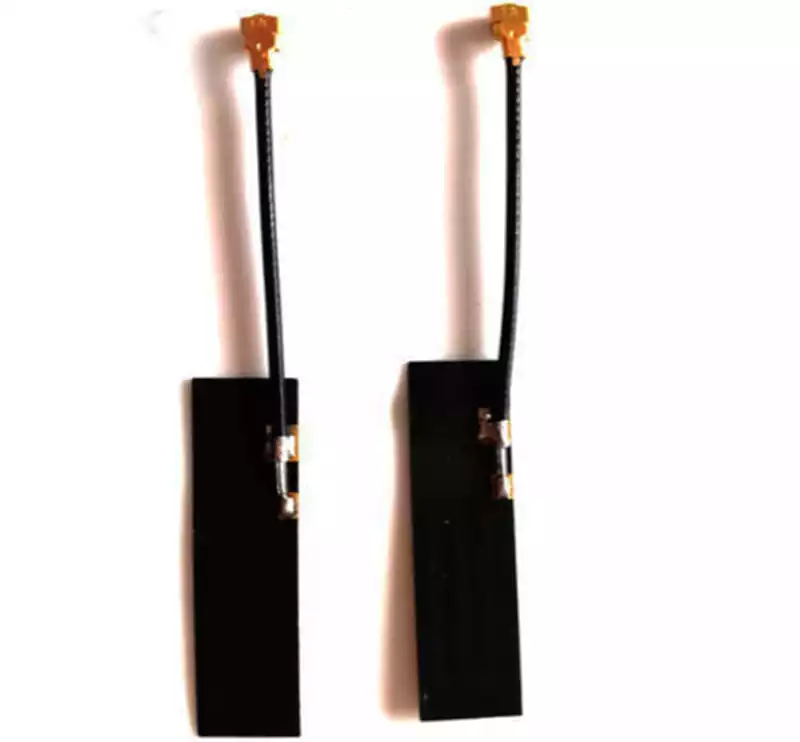
Connectors (e.g., ZIF connectors)
These connectors serve as the bridge between the FPC antenna and the mainboard. Their high-precision design ensures stable signal transmission.
Stiffeners
To reinforce mechanically vulnerable areas—such as connector regions—FR4 or stainless-steel stiffeners are added to prevent damage during bending. This process closely aligns with traditional PCB reinforcement techniques.
Core Advantages of FPC Antennas
Extreme Space Adaptability Enabling Miniaturization
This is the most prominent advantage of FPC antennas. Unlike rigid PCBs, FPC antennas can be bent and folded, allowing them to fit along curved surfaces and irregular internal spaces—such as smartwatch housings or TWS earbud stems.
They maximize antenna performance without occupying additional internal volume, aligning perfectly with the PCB industry’s trend toward high-density and miniaturized electronic design.
Excellent High-Frequency Performance
With low-loss substrates such as LCP, FPC antennas perform exceptionally well at high-frequency bands like 5G and Wi-Fi 6E.
For example, at 5.8 GHz, an LCP-based FPC antenna may exhibit signal loss as low as 0.3 dB, compared with approximately 1 dB for PI-based antennas. This seemingly small difference directly affects connection stability in weak-signal areas and serves as a key indicator of a PCB manufacturer’s technological capability.
High Integration Level Simplifying System Design
FPC antennas can be co-designed and manufactured alongside the main PCB. They may function either as an extension of the mainboard substrate or as independent flexible components.
This integration reduces the space required for standalone antennas and simplifies assembly processes, thereby streamlining RF system design and lowering overall system costs—an important advantage for efficient PCB manufacturing.
Strong Environmental Adaptability
FPC antennas demonstrate excellent environmental tolerance across temperatures ranging from –40 °C to 85 °C, with minimal performance fluctuation.
Whether in industrial environments with vibration and humidity, automotive systems exposed to high temperatures, or medical devices requiring biocompatibility, FPC antennas perform reliably. This versatility opens opportunities for PCB manufacturers in industrial, automotive, and medical markets.
Application Scenarios
Consumer Electronics
FPC antennas are widely used in smartphones (Wi-Fi, UWB, 5G), smartwatches (positioning and connectivity), and TWS earbuds (low-latency audio transmission). This sector represents the largest market due to its high demand and rapid product cycles, providing a stable foundation for PCB manufacturers.
Industrial Internet of Things (IIoT)
With the advancement of Industry 4.0, devices such as industrial sensors, RFID readers, and AGV robots require compact and interference-resistant wireless solutions. The flexibility and stability of FPC antennas make them ideal for such embedded applications.
Automotive Electronics
As connected vehicles and autonomous driving technologies develop, demand for FPC antennas is increasing in systems such as in-vehicle navigation, TPMS, and V2X communication modules. These applications require antennas capable of withstanding high temperatures and vibration, placing greater demands on PCB manufacturing reliability.
Medical Devices
Devices such as portable monitors and implantable medical systems require antennas that are ultra-thin, stable, and biocompatible. Although the market volume is relatively small, the high technical barriers and strong value-added potential make it an important field for PCB companies to demonstrate advanced capabilities.
Future Trends
1.Large-Scale Adoption of High-End Materials
With the widespread adoption of 5G devices, demand for low-loss materials such as LCP will continue to grow. Large-scale production will gradually reduce costs, pushing PCB manufacturers to improve LCP processing technologies and move toward higher-end manufacturing capabilities.
2.Integrated Multi-Band Antenna Design
Future FPC antennas will integrate multiple functions—such as Wi-Fi, Bluetooth, 5G, and GNSS—onto a single flexible board, forming modular antenna solutions. This will require stronger RF integration capabilities and advanced anti-interference layout techniques from PCB manufacturers.
3.Environmentally Sustainable Manufacturing
Following global environmental trends, adopting eco-friendly materials and lead-free processes while reducing production emissions will become essential for sustainable FPC antenna manufacturing.
FPC antennas are not merely a physical solution to space constraints; they are the signal bridge connecting chips to the surrounding wireless environment. Their evolution reflects a broader transformation within the PCB industry—from simple substrate manufacturing to functional integration and system-level solutions.