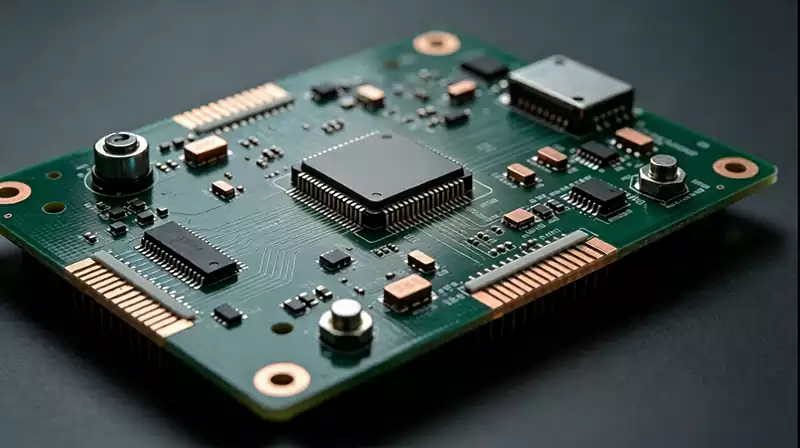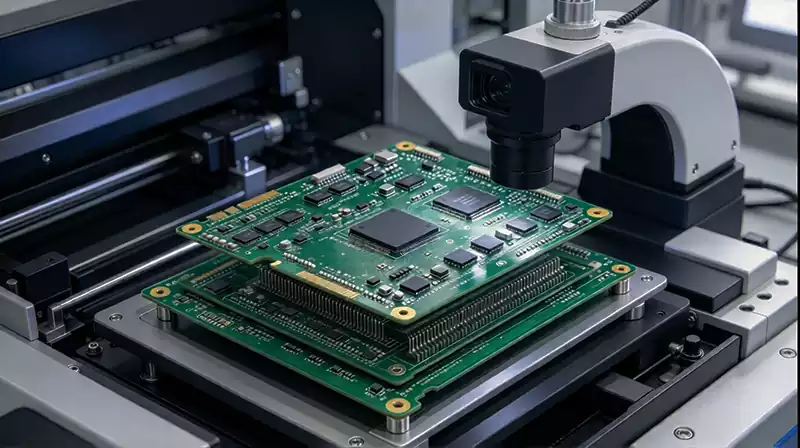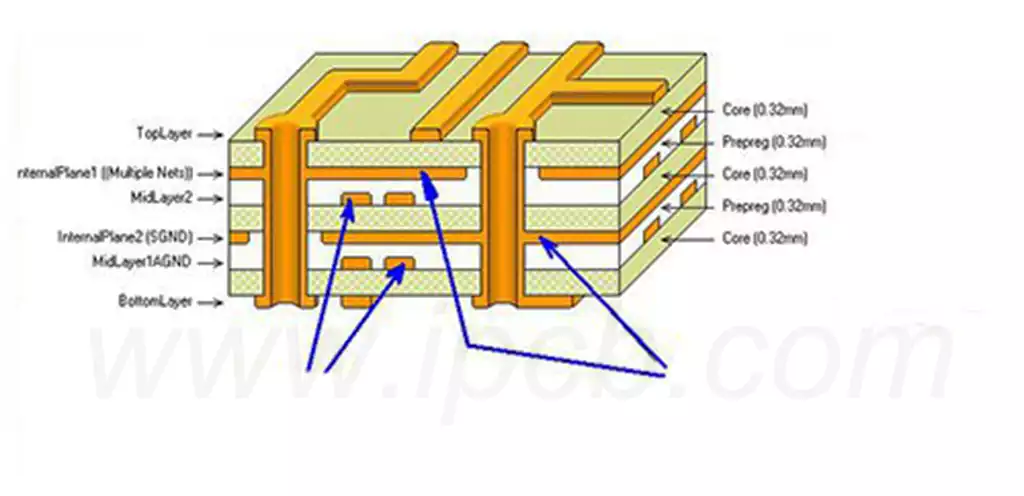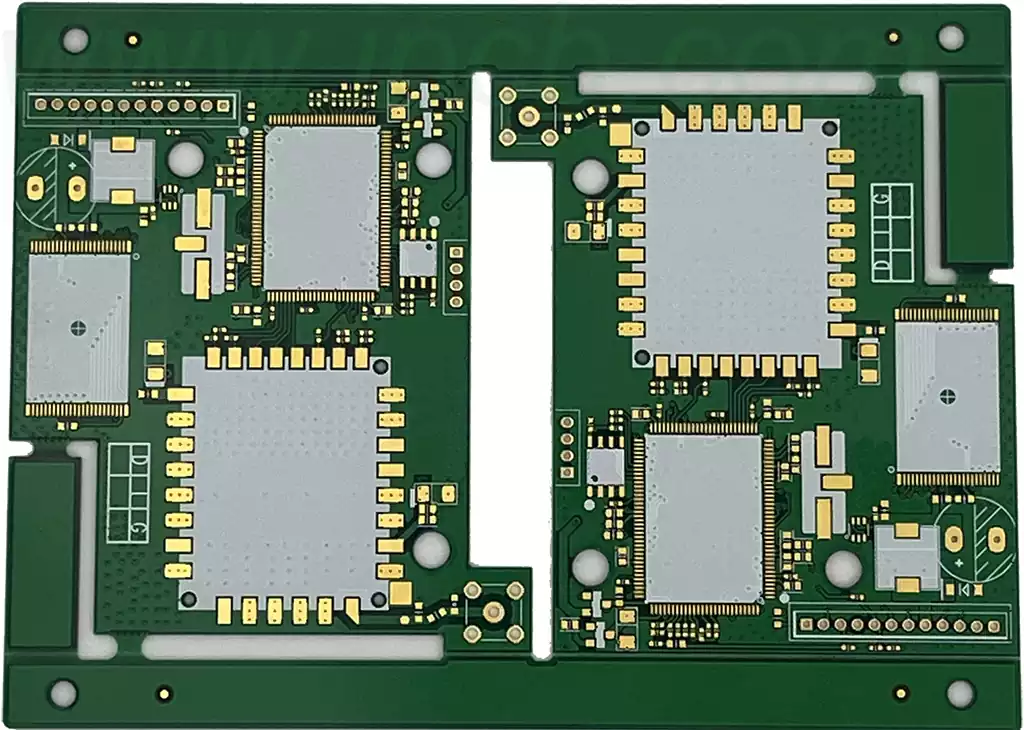
In the electronic assembly process, the baking of FR4 PCBs may seem unremarkable, but it is in fact a critical step that determines the quality of the solder joints. Its primary purpose is to thoroughly remove any moisture absorbed by the board during storage, transport or whilst in the workshop environment.
If moisture remains within the board, the high temperatures encountered during reflow or wave soldering will cause the water to vaporise instantly, generating immense internal stress. This can lead to delamination, blistering or even ‘board rupture’, thereby severely compromising mechanical strength and electrical performance. Consequently, it is crucial to set appropriate baking parameters.
The two key parameters for baking—temperature and time—must be determined based on a combination of the board’s heat resistance, thickness and moisture content.
Curing Temperature
For standard FR4 pcbs, the recommended curing temperature is between 105°C and 125°C. This range effectively removes moisture without damaging the board. However, there is one strict requirement: the curing temperature must be at least 10°C to 15°C lower than the board’s glass transition temperature (Tg). The Tg value for standard FR4 is approximately 130°C to 140°C, whilst medium- to high-temperature-resistant boards can reach 150°C or 170°C.
For example, for a board with a Tg of 140°C, the maximum baking temperature should not exceed 125°C; for high-end boards with a Tg of 170°C, it is not recommended to exceed 155°C, otherwise the board will become brittle and age prematurely. Furthermore, the temperature uniformity of the oven should be maintained within ±5°C to prevent localised overheating or under-curing.
Curing Time
The duration depends on the FR4 pcbs thickness, moisture absorption level and curing temperature. Taking a common 1.6 mm thick FR4 board cured at 105–125°C as an example:
Preventive baking (e.g. damaged packaging, exposure time slightly exceeded but no obvious moisture absorption): 2–5 hours.
Moisture-recovery baking (stored for too long in a high-humidity environment >60%, exceeding the permitted exposure time, visible moisture): 8–12 hours; in severe cases, this may be extended to 24 hours, but should not be excessive.
Adjustments for special structures: For every 1 mm increase in board thickness (exceeding 2.0 mm), it is recommended to extend the duration by 1 hour; for copper foil thickness exceeding 2 oz, add 0.5–1 hour; for multilayer boards, extend the duration appropriately compared to double-sided boards of the same thickness.
Equipment Selection and Operating Guidelines
1.Equipment Requirements
A precision oven with forced convection (fan circulation) must be used to ensure uniform temperature distribution within the chamber. Simple radiant ovens have uneven temperature distribution, which can easily lead to board warping or incomplete moisture removal.
2.Placement Method
Boards should be placed vertically on dedicated racks, with a gap of 10–20 mm between each board to ensure free circulation of hot air. Stacking or laying boards flat is strictly prohibited, particularly for large-sized boards, as this prevents moisture from escaping and may cause warping or delamination.
3.Temperature Control
Heating: Preheat the oven to the set temperature before placing the FR4 pcbs inside; alternatively, use a programmed heating sequence with a rate not exceeding 4°C/min to prevent excessive thermal stress.
Cooling: After baking is complete, allow the FR4 pcbs to cool naturally within the oven to near room temperature (preferably below 40–50°C) before removal. Rapid cooling may cause uneven thermal expansion and contraction, resulting in micro-cracks; furthermore, the hot boards will immediately reabsorb moisture upon contact with humid air, rendering the baking process ineffective.
Common Misconceptions and Precautions
Baking Bare Boards Only
If the FR4 pcb is already populated with moisture-sensitive components (such as chips or connectors), do not bake it under the high-temperature conditions described above. Such assemblies should be handled in accordance with the MSL rating and baking specifications provided by the supplier; typically, the temperature is only 40–90°C, with a duration of up to several dozen hours.
Not All Boards Require Baking
Boards that remain in sealed, dry packaging and are within their shelf life (Floor Life) can be used directly without baking. Baking is only required if the packaging is damaged, the shelf life has expired, or the boards have been exposed to high humidity for an extended period. Blindly baking boards wastes energy and may cause unnecessary thermal damage to the material.
Follow the PCB Manufacturer’s Recommendations
The parameters above are general industry guidelines; however, board formulations vary between manufacturers. Standards such as IPC-1601 and J-STD-033C may be consulted, but the most accurate approach is to confirm the recommended temperature and duration with your PCB supplier.
Avoid over-baking
Even at safe temperatures, prolonged baking may cause a slight deterioration in board performance (e.g. reduced heat resistance, pad oxidation). Stop once all moisture has been removed; longer is not necessarily better.
Quick Reference for Key Parameters
Temperature: 105–125°C, must be at least 10–15°C below the Tg value.
Duration (1.6 mm standard board): 2–5 hours for preventive measures; 8–12 hours for severe moisture ingress. Extend duration as appropriate for thick boards, multilayer boards and thick copper boards.
Equipment: Precision forced-convection oven with temperature uniformity of ±5°C.
Placement: Stacked vertically, with a spacing of 10–20 mm between boards.
Cooling: Allow the boards to cool naturally within the oven to below 40–50°C before removal.
Although the FR4 PCB baking process is not complex, the setting of parameters, equipment operation and attention to detail are all essential. Only by scientifically removing moisture from the boards can defects such as delamination and blistering during the soldering process be effectively prevented, ensuring the consistent and reliable quality of every board.