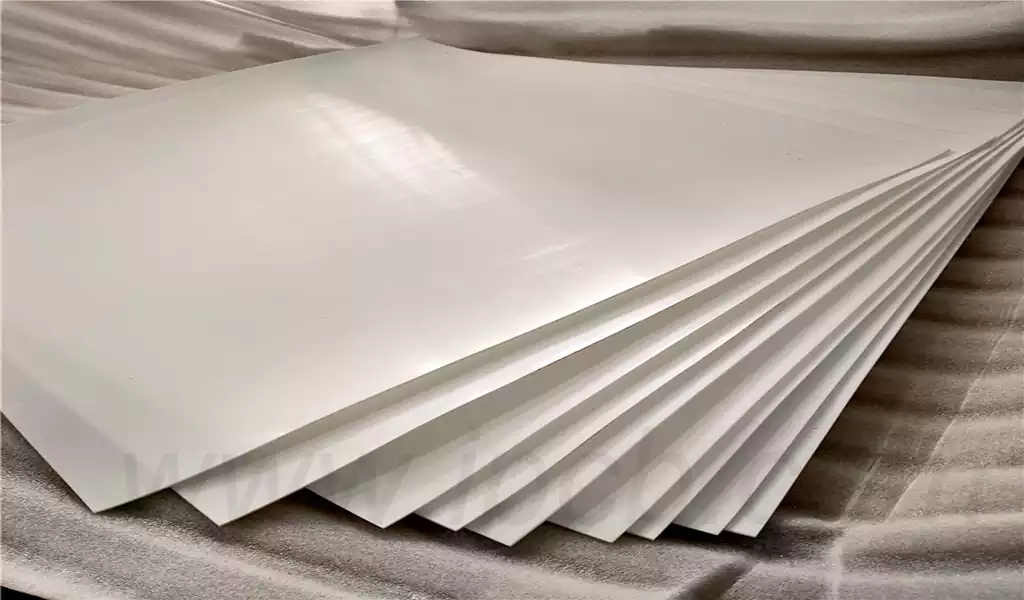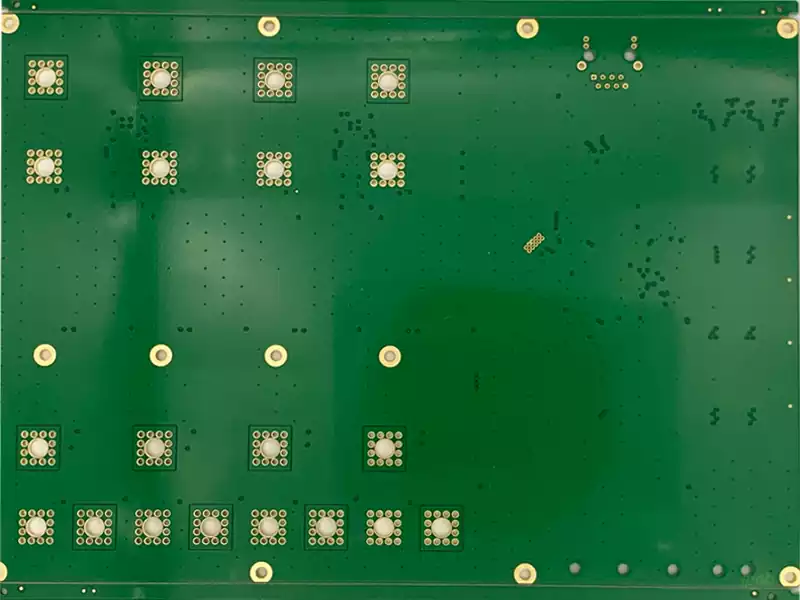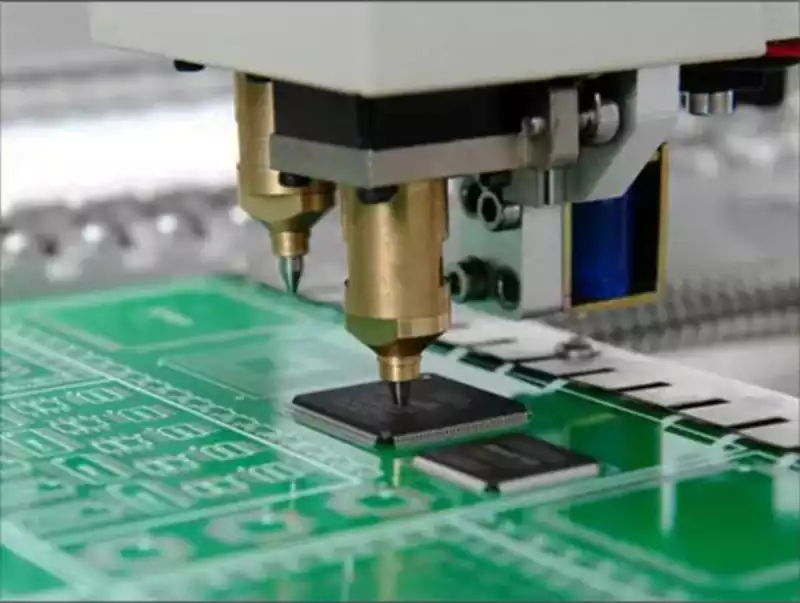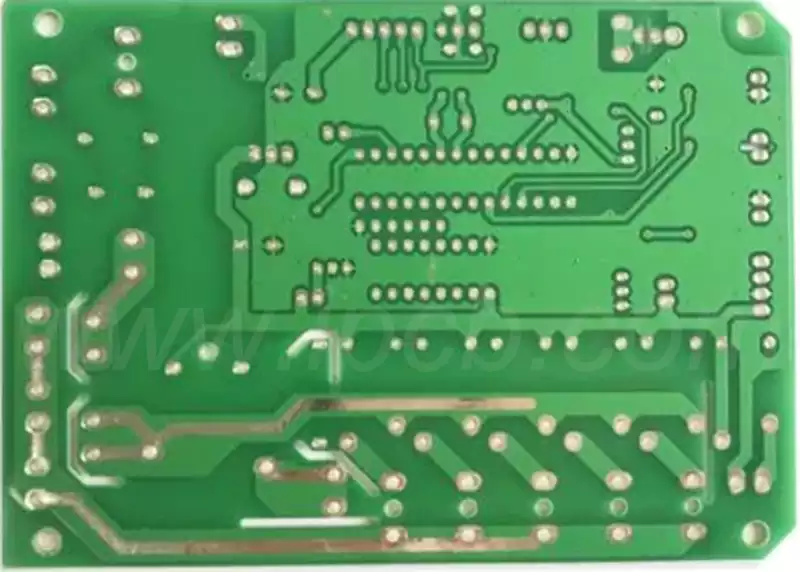
Rogers PCB material is a hard and dense material that can be used to manufacture printed circuit boards. The board contains an epoxy core, metal copper plating, and aluminum. The surface is coated with aluminum. It has good dimensional and thermal expansion coefficient advantages, can effectively control the magnitude of temperature stress, and ensures the stability of component performance. It can be widely used in high-frequency power distribution and circuit boards for CPUs, switches, connectors, and more.
Rogers PCB is a high-frequency board produced by Rogers Corporation. It is different from traditional PCB boards – epoxy resin (FR4). There is no glass fiber in the middle, and a ceramic substrate is used as the high-frequency material. Rogers has excellent dielectric constant and temperature stability. Its dielectric constant and thermal expansion coefficient are very consistent with copper foil, and it can be used to improve the shortcomings of PTFE substrates. It is very suitable for high-speed electronic design, commercial microwave, and RF applications. Its low water absorption makes it an ideal choice for high-humidity applications, providing customers in the high-frequency board industry with the highest quality materials and related resources, fundamentally improving product quality.
Why choose Rogers PCB?
With the development of 5G technology, more and more devices need high-performance high-frequency and RF PCBs, which require low signal loss and low electrical noise. Rogers PCB materials are cost-effective and fully meet the required technical requirements.
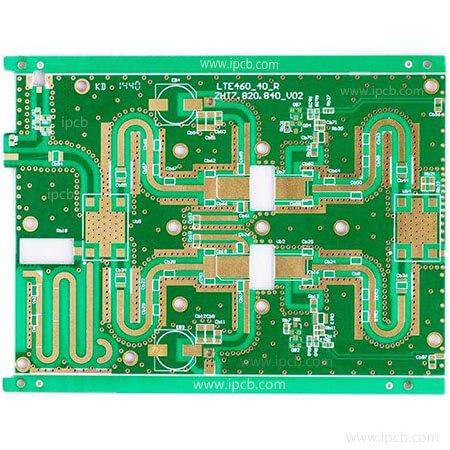
Advantages of Rogers PCB
Rogers PCB has low moisture absorption and thermal expansion, and has solid dimensional stability under various conditions.
Rogers PCB materials have high compatibility and ease of manufacturing due to their thin thickness (usually 0.1mm).
It also has excellent thermal management capabilities and is an ideal choice for circuits and electronic components or equipment that generate excess heat.
Another key feature has proven to be very useful in reducing exhaust emissions, especially in space applications.
Rogers printed circuit boards match wiring dimensions and positions to improve impedance control.
Rogers printed circuit boards provide stable high-frequency performance.
Uses of Rogers PCB
Rogers PCB can be used as a key component in cellular base stations, direct broadcast satellites, communication systems, microwave equipment, 5G modern stations, and carrier-grade Wi-Fi antennas.
Automotive industry. Rogers printed circuit boards can be used in automated/mechanized test equipment (ATE), automotive radar, sensors, and more.
Radio frequency engineering. You can also deploy Rogers printed circuit boards in power amplifiers, IP infrastructure, RFID tags, and other fields.
Aviation. Rogers PCB can also be deployed in ACAS or aircraft collision avoidance systems, return radios, microstrip antennas, and more.
Rogers PCB is also used in DAS and ADAS (advanced driver assistance systems), as well as other useful computer fields.
In the military, Rogers PCB is used in radio communication systems, jamming systems, and more.
Rogers PCB VS FR-4 material
FR-4 material is cheaper than Rogers material.
Compared with FR-4 material, Rogers material has higher high-frequency performance.
FR-4 material has a higher Df or dissipation factor than Rogers material and suffers greater signal loss.
In terms of impedance stability, Rogers material has a wider Dk value range than FR-4 material.
In terms of dielectric constant, the Dk of FR-4 is about 4.5, which is lower than the Dk of Rogers material, about 6.15-11.
In terms of temperature management, Rogers material changes less compared with FR-4 material.
Rogers PCB is a high-performance high-frequency circuit board. Due to its excellent dielectric performance, reliability, and excellent mechanical performance, it is widely used in communications, electronics, satellite navigation, and other fields. The dielectric constant of Rogers PCB boards is very stable, and they can operate over a wide temperature range. They have excellent high-temperature resistance, can work normally in complex environments, and have stable precision. In addition, Rogers PCB boards also have extremely high rigidity and wear resistance, which can ensure the mechanical performance of the circuit board and ensure its normal operation under harsh conditions.