Nora

button circuit board​

Why a Button Circuit Board Produces Unreliable Inputs

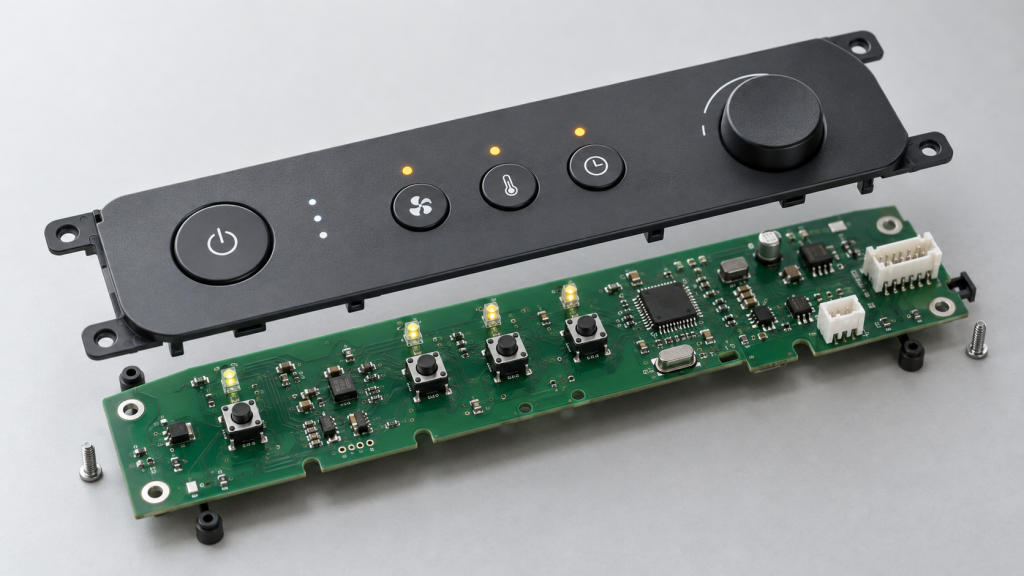
A button circuit board converts a physical press into an electrical command. It may control a household appliance, industrial panel, medical device, automotive interface or handheld product. Although the circuit appears simple, an unreliable button can produce missed commands, repeated inputs or intermittent operation that is difficult to reproduce during inspection.The problem is rarely caused […]

bluetooth player circuit board​

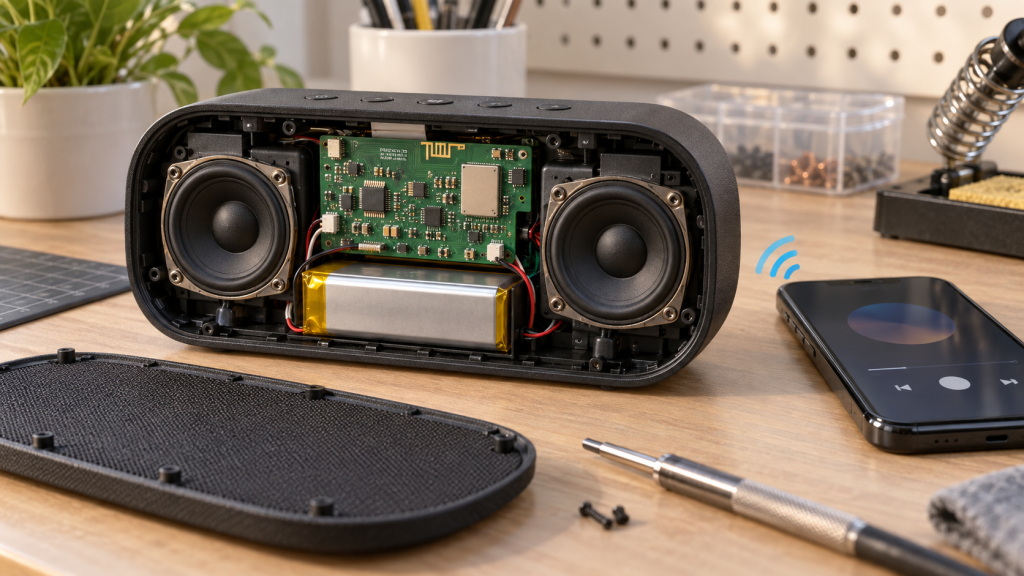
Bluetooth Player Circuit Board Signal Path From Pairing to Sound

A bluetooth player circuit board must convert a wireless audio stream into stable speaker output without adding noise, distortion or connection problems. Although the board may appear compact, the signal passes through several different electrical environments before any sound is produced. A reliable bluetooth player circuit board depends on the interaction between its antenna, Bluetooth

scanner pcb board​

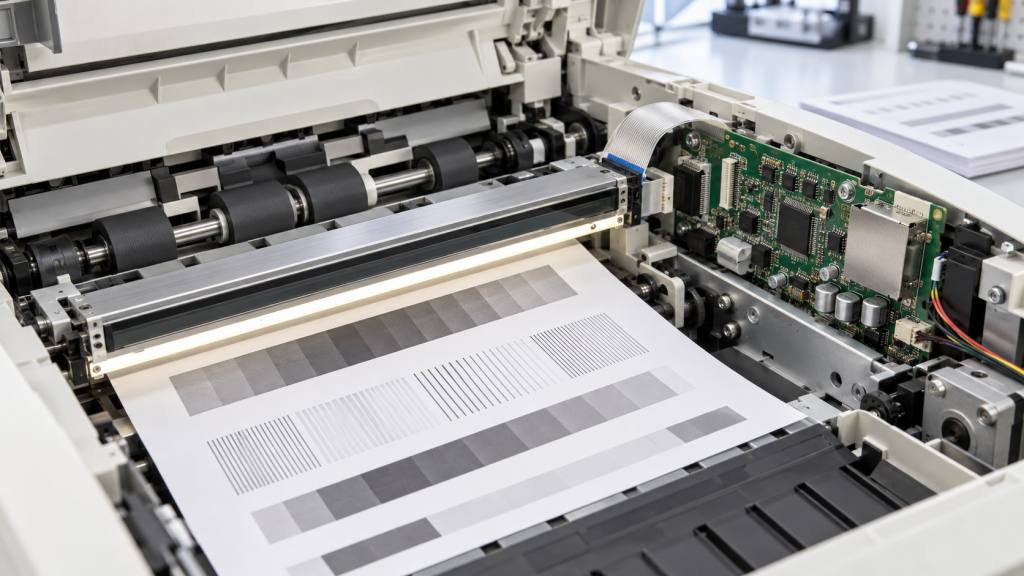
Scanner PCB Board Causes of Lines and Image Noise

A scanner pcb board can pass basic power and communication tests while the completed machine still produces vertical lines, color variation or random noise. These defects are often blamed on the contact image sensor, optical system or calibration software, but the source may be inside the board’s analog signal path, power distribution or motor-control circuit.

rigid flex circuit boards​

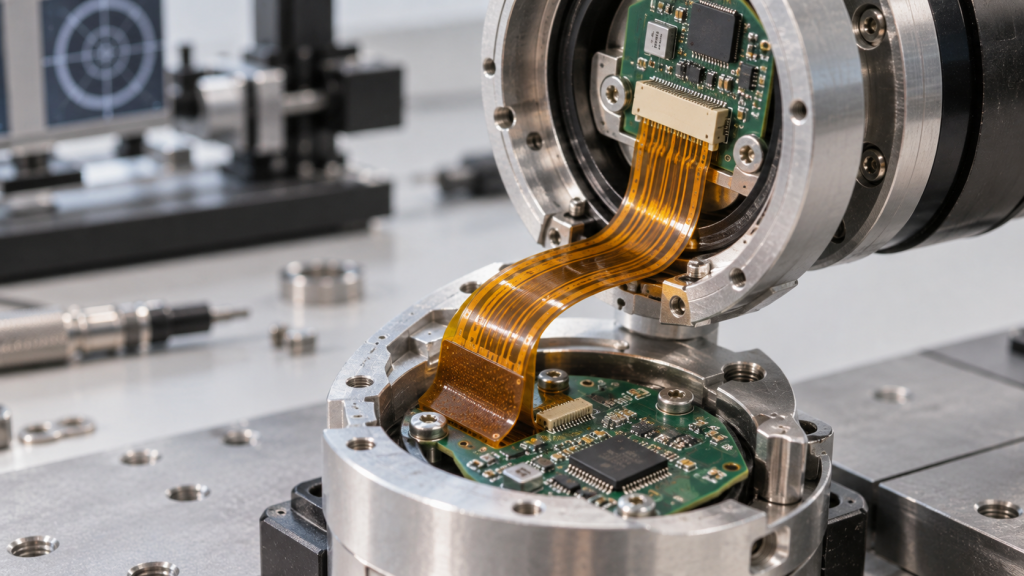
Rigid Flex Circuit Boards Under Repeated Bending

Rigid flex circuit boards can operate successfully after being folded into an enclosure yet fail when the same flexible section moves repeatedly during normal use. A prototype may pass electrical inspection and initial functional testing, but weeks or months of opening, rotating or sliding motion can produce intermittent connections. The reason is that the ability

pcb board edge connectors​

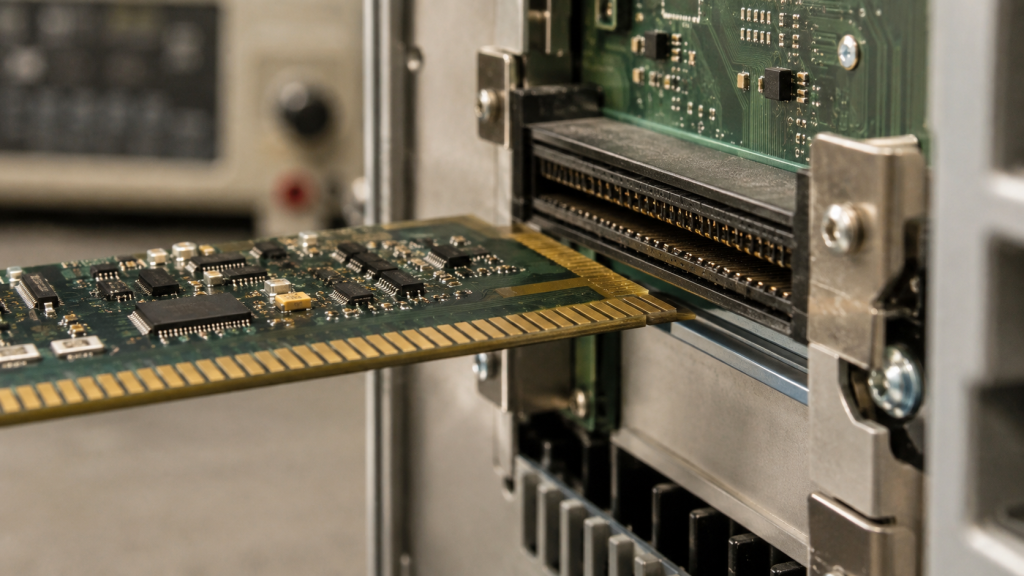
Why PCB Board Edge Connectors Develop Intermittent Contact

PCB board edge connectors can pass initial electrical testing and still develop intermittent contact after months of insertion, vibration or temperature cycling. The fault may appear as a momentary signal interruption, unexplained system reset, communication error or local temperature rise at a power contact. These failures are difficult to diagnose because the connection often recovers

PCB panel

How to Design a PCB Panel for Reliable Assembly

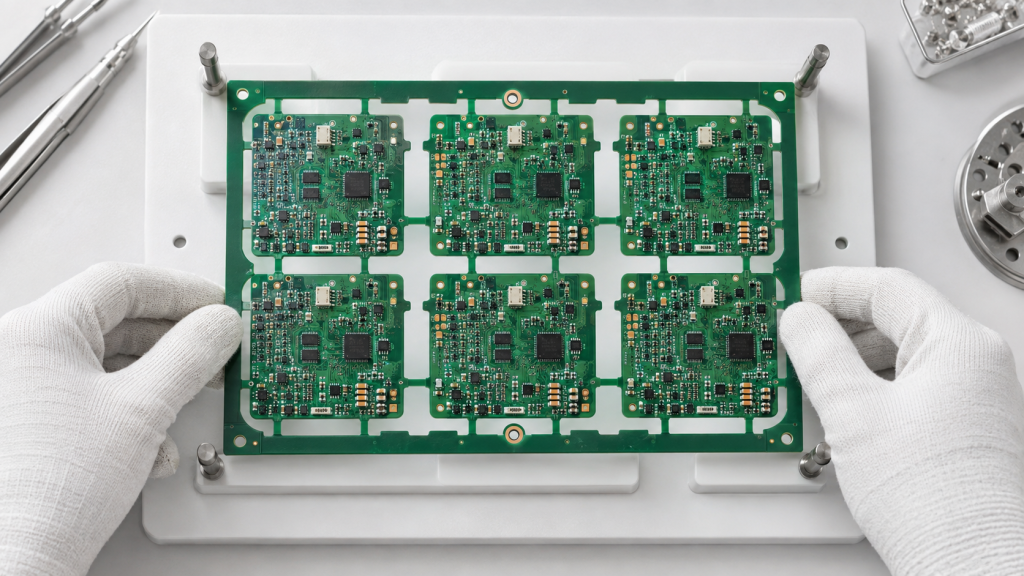
A PCB panel allows multiple circuit boards to move through solder-paste printing, component placement, reflow, inspection and testing as one mechanically stable unit. Good panelization improves manufacturing efficiency, but fitting as many boards as possible into one rectangle is not enough. A panel can achieve high material utilization and still create placement errors, board vibration,

copper substrate pcb​

When Should You Use a Copper Substrate PCB

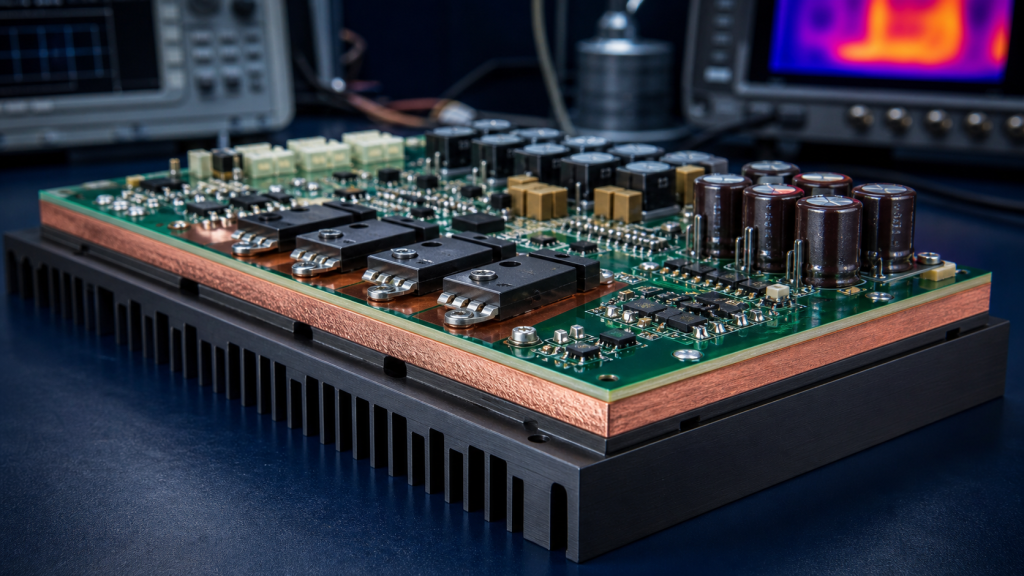
A copper substrate PCB is used when an electronic assembly must transfer concentrated heat away from power components more effectively than a conventional FR4 board can. The solid copper base spreads heat across the board and provides a short thermal path toward the enclosure, cold plate or external heat sink. However, replacing FR4 or aluminum

small run PCB assembly

How to Control Quality in Small Run PCB Assembly

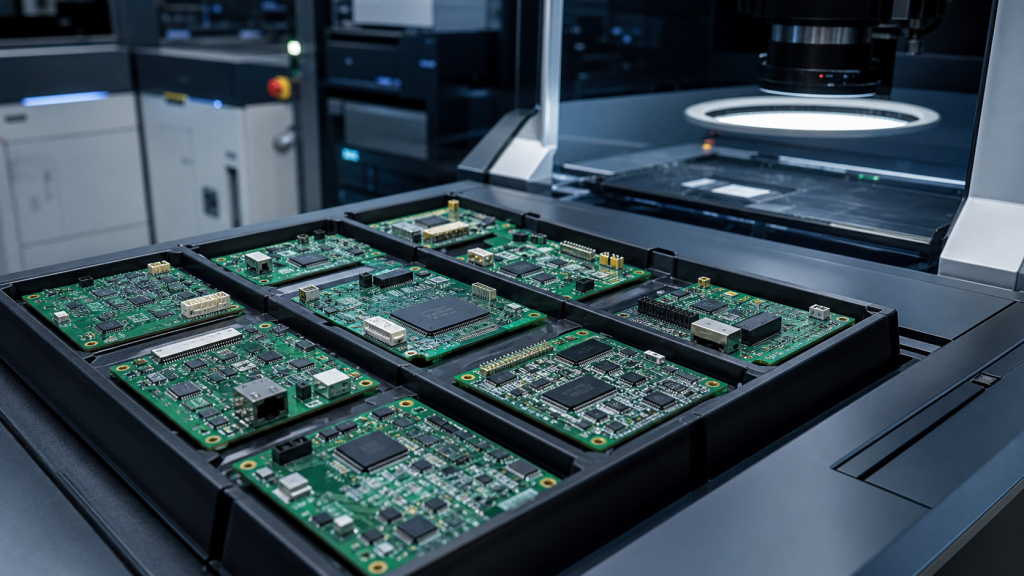
Small run PCB assembly is often treated as a simplified version of mass production. In practice, producing ten, fifty or several hundred reliable boards can be more difficult than running thousands of mature units. The manufacturer has fewer assemblies from which to absorb engineering time, stencil setup, programming, inspection and test-fixture costs. At the same

pcb main board​

PCB Main Board Production Without Costly Redesigns

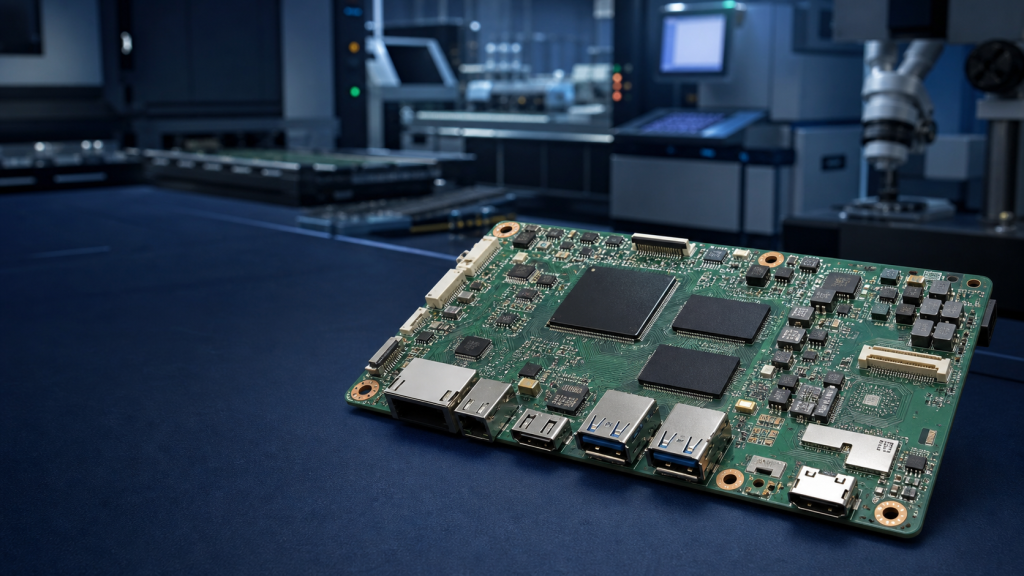
A PCB main board can operate successfully on an engineer’s bench and still be unprepared for production. Prototype technicians can replace components, add jumper wires and adjust firmware until one board works, but a factory must reproduce the same result across every unit without depending on manual correction. The move from prototype to production exposes

pcb control board​

How to Build a Reliable PCB Control Board

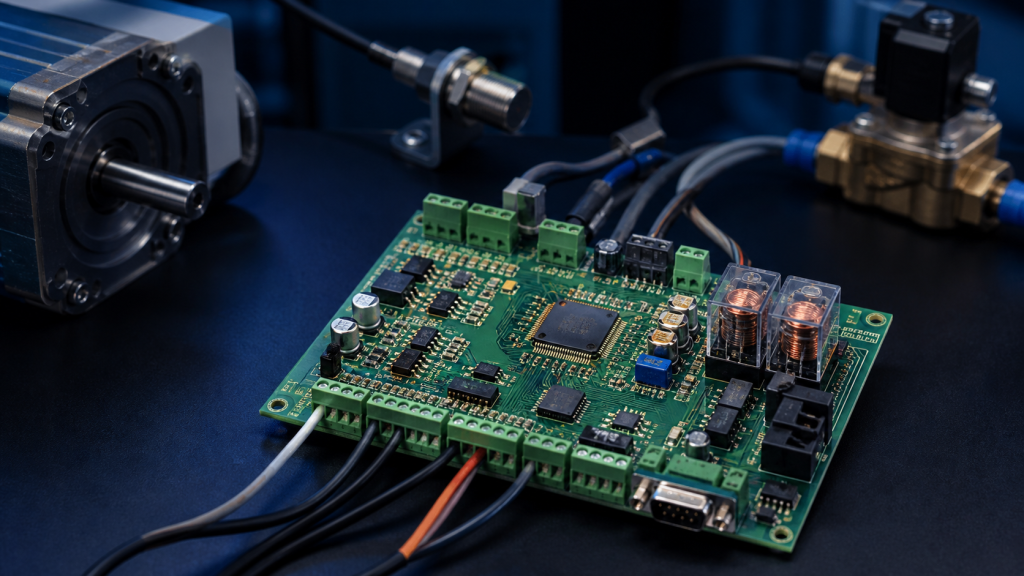
A PCB control board receives information from sensors, processes that information and sends commands to motors, relays, valves, displays or communication interfaces. This ability to make decisions and control external devices distinguishes it from a circuit board that only provides electrical connections or performs one fixed function. Control boards are used in industrial machinery, motor

camera pcb board​

Camera PCB Board Manufacturing for Security Cameras

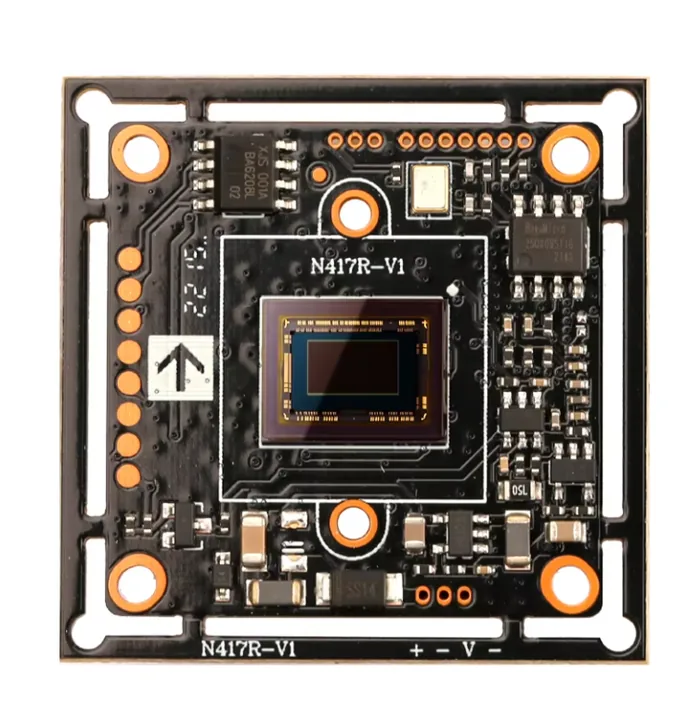
A camera PCB board can pass AOI, electrical testing and firmware programming while still producing an unacceptable image. Sensor contamination, mounting deviation, power-rail noise and optical misalignment may remain invisible until the assembled board is connected to a lens and operated as a complete imaging system. This is the central manufacturing challenge for surveillance cameras,

pcb board color

How to Choose a PCB board Color

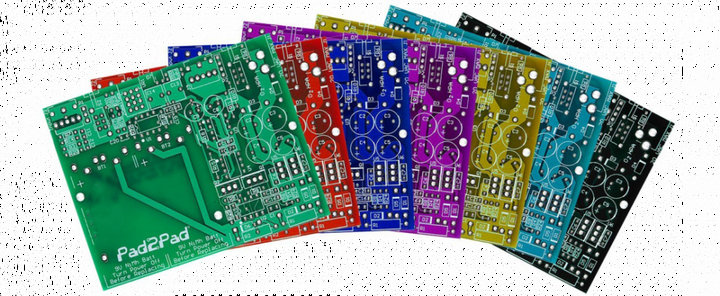
pcb board color is often the first feature people notice when they look at a circuit board. Green, black, blue, red and white boards appear very different, but color alone does not indicate the performance or quality level of a PCB. On most rigid circuit boards, the visible color comes from the solder mask covering

air conditioning circuit board​

How to Protect an Air Conditioning Circuit Board from Moisture Failure

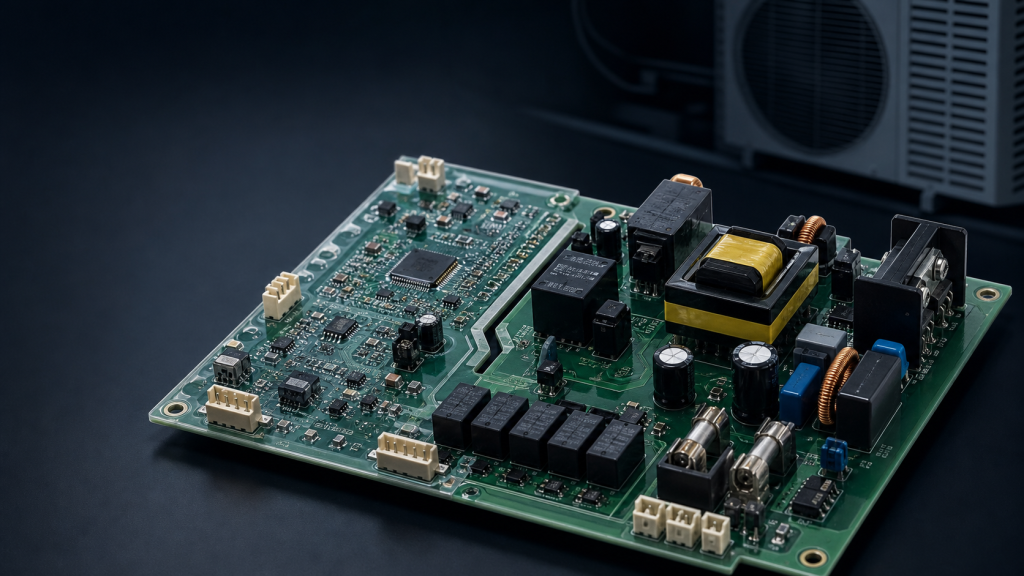
An air conditioning circuit board operates in an environment where humidity, temperature cycling and airborne contamination can act at the same time. Although the PCB may be installed inside a plastic enclosure, it is not automatically isolated from moisture. Repeated cooling and warming can produce a thin water film on the board, and that film

printed circuit board capacitor​

Printed Circuit Board Capacitor Placement for Effective Noise Filtering

A printed circuit board capacitor may have the correct capacitance and voltage rating but still provide poor noise filtering when its PCB connection is not properly designed. At high frequencies the distance between the capacitor and the load is only part of the problem. Trace geometry via position and the ground return path determine whether

how to clean amplifier circuit board

How to Clean Amplifier Circuit Board Without Damaging Components

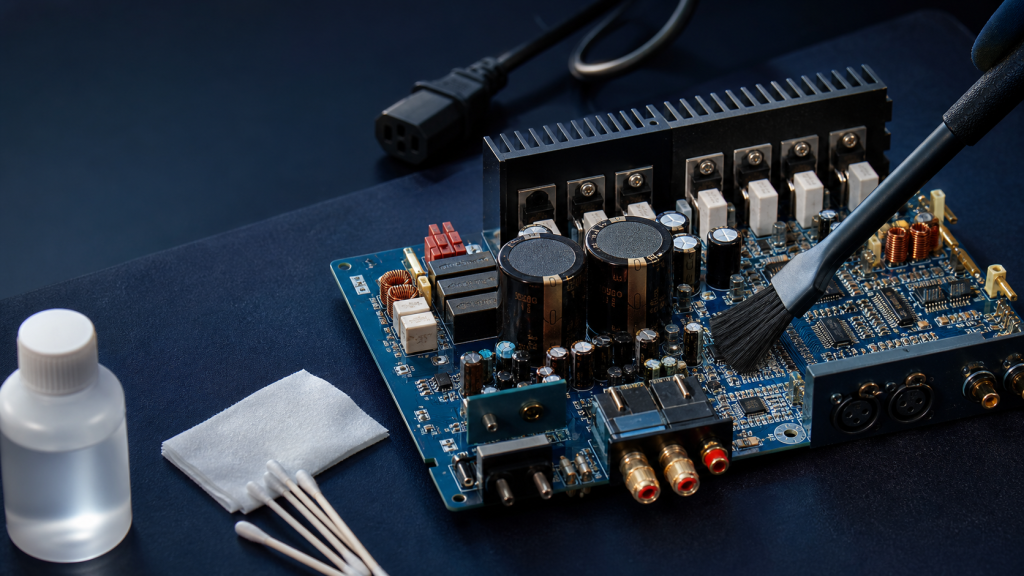
Knowing how to clean amplifier circuit board assemblies correctly is essential when dust, flux residue, nicotine, oil or moisture begins to affect audio performance and long-term reliability. Cleaning, however, is not simply a matter of spraying solvent over the PCB. An amplifier may contain charged power-supply capacitors, solvent-sensitive components, adjustable controls and closely spaced high-voltage

IoT module PCB assembly

IoT PCB Assembly Precision for Compact Complex Circuits

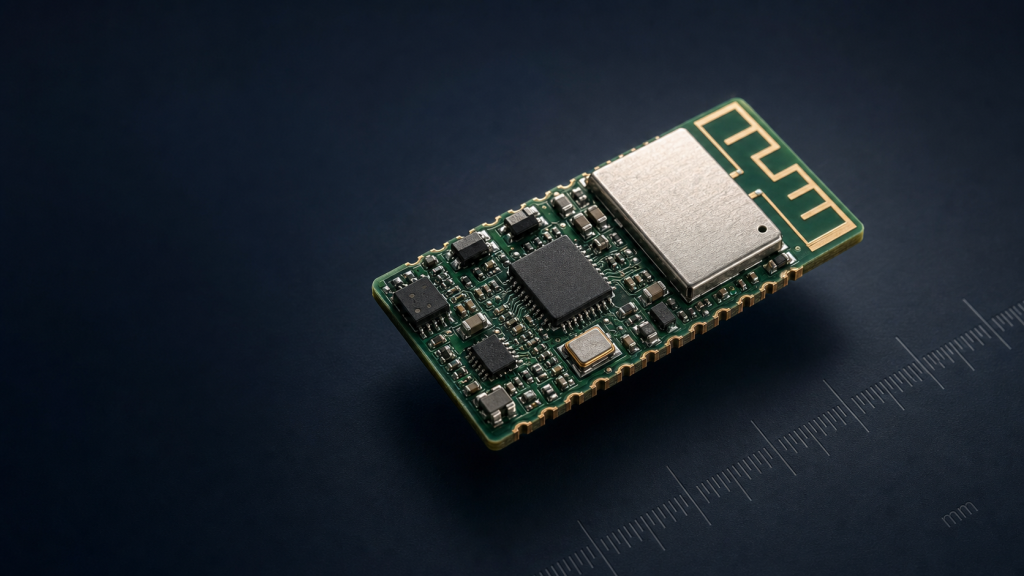
An IoT node often appears simple from the outside: a sensor collects data, a processor makes a decision, and a wireless link sends the result to the network. Inside the product, however, these functions are compressed into a module that may be only a few centimetres long. The same small board must accommodate radio-frequency transmission,

Double Sided Copper Clad PCB Board Structure

The Hidden Interconnection Physics of a Double Sided Copper Clad PCB Board

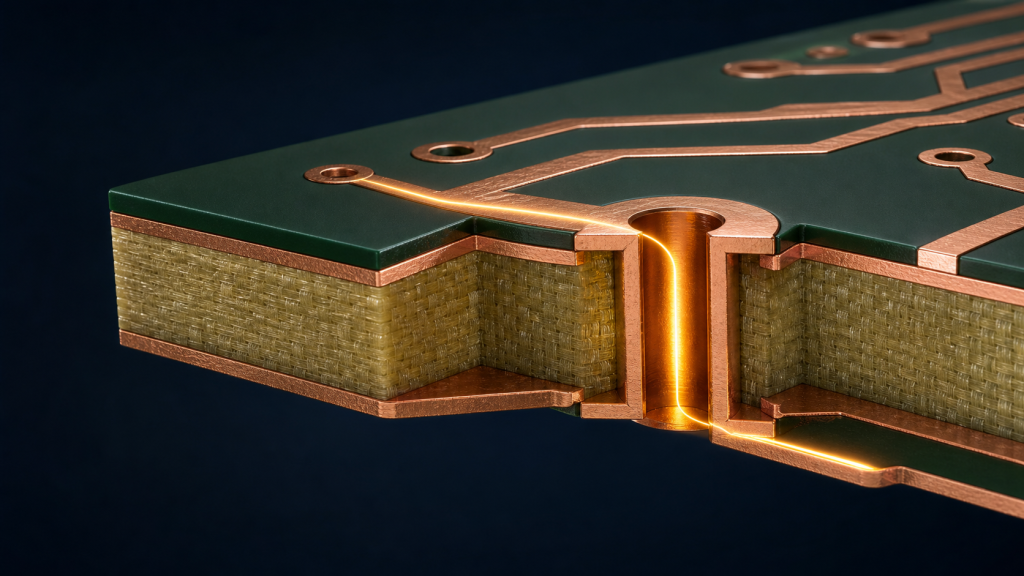
A cutaway view of a double sided copper clad PCB board, showing the copper layers, FR-4 core and plated through-hole interconnection. A double sided copper clad PCB board may appear to be one of the simplest structures in printed circuit manufacturing: a dielectric core covered by copper foil on both surfaces. However, its electrical behaviour

Why Ceramic Substrate Thickness Matters in Industrial Applications

In industrial applications, ceramic substrates are not limited to electronic packaging structures—they are also widely used as insulation and mechanical support components. Therefore, substrate thickness is not a parameter that can be arbitrarily defined. Whether for ceramic materials such as alumina (Al₂O₃) and aluminum nitride (AlN), or for metallization systems such as DBC, DPC, and

Scroll to Top