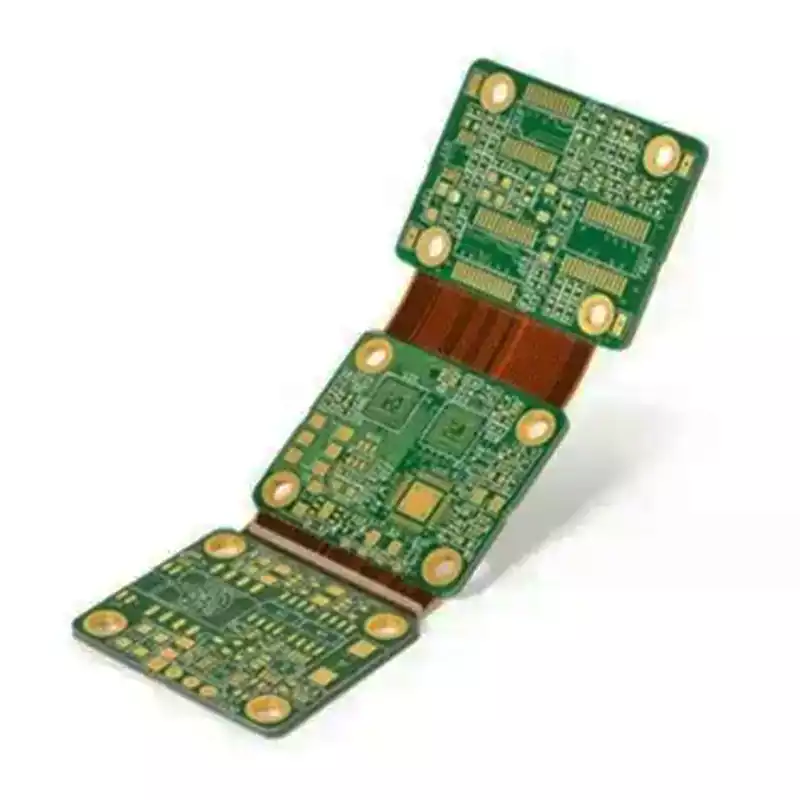
An air conditioning circuit board operates in an environment where humidity, temperature cycling and airborne contamination can act at the same time. Although the PCB may be installed inside a plastic enclosure, it is not automatically isolated from moisture. Repeated cooling and warming can produce a thin water film on the board, and that film may turn harmless manufacturing residue into a conductive path. Improving long-term reliability therefore requires more than applying conformal coating after assembly. Protection must begin with board layout, material selection and process cleanliness.
Why Moisture Causes Intermittent HVAC Control Failures
Moisture does not always cause an immediate short circuit. In many air-conditioning systems, the first symptoms are intermittent: the controller resets, a sensor value drifts, a relay operates unexpectedly or the communication interface stops responding for a short period. The board may function normally again after the enclosure dries, making the failure difficult to reproduce during inspection.
This behavior occurs because condensed moisture can reduce surface insulation resistance between adjacent conductors. Pure water has relatively low conductivity, but an assembled PCB surface is rarely chemically pure. Flux residues, dust, salts from handling and airborne contaminants can dissolve into the moisture film. The resulting solution allows small leakage currents to move between component leads, test pads and copper features.
High-impedance sensing circuits are particularly sensitive. A leakage current that is too small to disturb a relay driver may still alter a thermistor input, current-sensing circuit or analogue reference. An air conditioning circuit board can therefore show incorrect temperature readings or unstable protection behavior without displaying obvious burn marks.
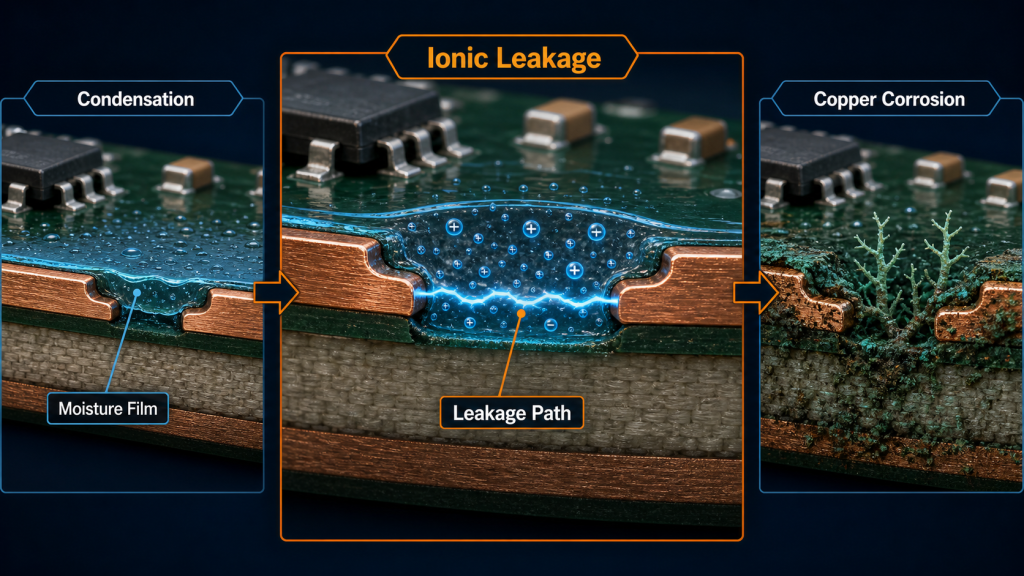
The risk increases when moisture remains on an energized PCB. An electrical potential across contaminated conductors can initiate electrochemical migration. Metal ions move through the wet contamination layer and form conductive dendrites. These deposits may eventually bridge adjacent copper features, producing a permanent short circuit or recurring faults whenever humidity rises.
How Condensation Develops Inside the Control Enclosure
Condensation forms when the temperature of a PCB surface falls below the dew point of the surrounding air. This can occur even when liquid water never enters the enclosure directly.
An indoor air-conditioning unit regularly creates cold surfaces near warmer humid air. When the compressor stops or operating conditions change, the temperature inside the equipment does not rise uniformly. The enclosure, PCB, metal supports and high-mass components respond at different rates. Humid air can enter through cable openings, ventilation gaps or imperfect seals and then condense on the colder areas.
Large copper regions and metal-connected terminals may cool differently from surrounding laminate. Moisture often collects around connector pins, component leads, board edges and narrow gaps where airflow is limited. These areas are also likely to contain flux residue or unprotected metal, creating favorable conditions for PCB condensation corrosion.
Outdoor control units face a related problem. Daily temperature changes can draw humid air into an enclosure through pressure equalization. Rain does not need to reach the board for internal condensation to occur. If drainage and ventilation are poorly controlled, the enclosure can trap moisture and extend the time during which the PCB remains wet.
Layout Must Limit the Electrical Consequences of Moisture
Effective HVAC control board moisture protection starts before conformal coating is specified. The layout must prevent a small amount of contamination or condensation from creating a critical leakage path.
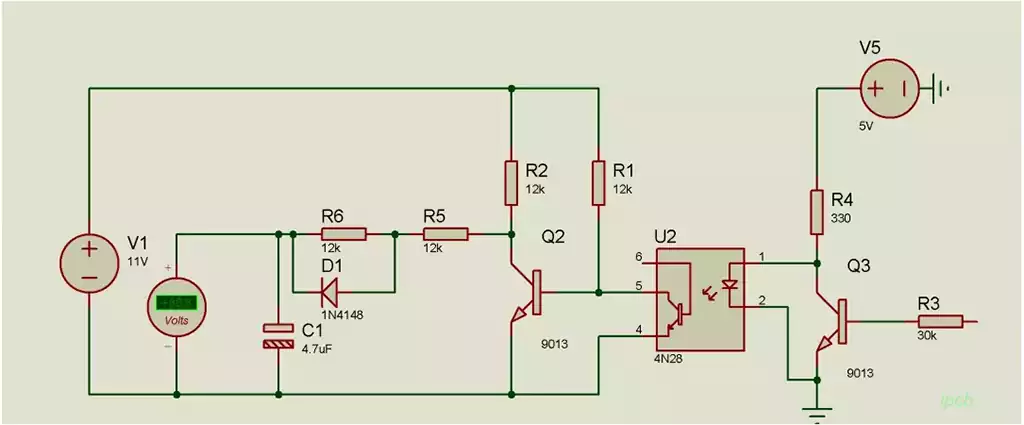
The high-voltage power section should be physically separated from low-voltage control and sensing circuits. Adequate creepage and clearance distance must be maintained around mains inputs, relays, triacs, optocouplers and isolated power supplies. Slots can extend the surface path where board space is limited, but those slots must remain clean after routing, assembly and coating.
Sensitive analogue nodes should not be placed beside switching conductors or exposed board edges. Test pads connected to high-impedance signals also require attention because their uncoated metal surfaces can collect contamination. Where possible, designers should increase spacing around sensor inputs, feedback networks and reset circuits rather than relying on solder mask as the only barrier.
Component orientation matters as well. Tall relays, transformers and electrolytic capacitors can create coating shadows during spraying. Closely spaced components may trap cleaning fluid or prevent coating from reaching the board surface. A layout that is electrically correct but difficult to clean and coat can still produce poor air conditioner PCB reliability in the field.
Cleanliness Determines Whether Moisture Becomes Conductive
Conformal coating cannot reliably compensate for an inadequately controlled assembly process. If ionic residue remains beneath the coating, absorbed moisture can support leakage or corrosion in a location that is difficult to inspect and slow to dry.
Flux selection, solder-paste volume, reflow profile and cleaning strategy should therefore be considered as one process. A no-clean flux does not mean that every residue is harmless under every service condition. Its suitability depends on the quantity and distribution of residue, the electrical spacing, operating voltage, expected humidity and coating compatibility.
Handling is another source of contamination. Fingerprints can deposit salts around connectors, programming pads and board edges. Dust attracted during storage may become embedded in the coating. Boards should be protected after cleaning, and the period between cleaning and coating should be controlled so that a clean surface is not contaminated again.
For assemblies intended for demanding HVAC environments, visual inspection alone is insufficient. Process validation may include ionic cleanliness testing, surface insulation resistance evaluation and humidity or condensation exposure testing. The objective is not simply to prove that a board looks clean. It is to confirm that remaining residues do not create unacceptable electrical behavior under realistic moisture conditions.
Conformal Coating Is a Process Rather Than a Final Layer
A suitable conformal coating for HVAC PCB applications can reduce moisture contact with conductors, slow corrosion and limit the movement of ionic contaminants. Its effectiveness, however, depends on material compatibility, application control and coverage.
Connectors, relay contacts, heat sinks, programming interfaces and certain sensors may require masking. At the same time, excessive masking can leave exposed copper close to protected areas. The transition between coated and uncoated surfaces must be deliberately positioned so that moisture cannot collect along an electrically sensitive boundary.
Coverage is especially important around component leads, solder joints, board edges and the bases of tall components. A board can appear fully coated from above while containing thin regions, bubbles or coating shadows underneath. These defects allow moisture to enter locally and may trap it against contaminated surfaces.
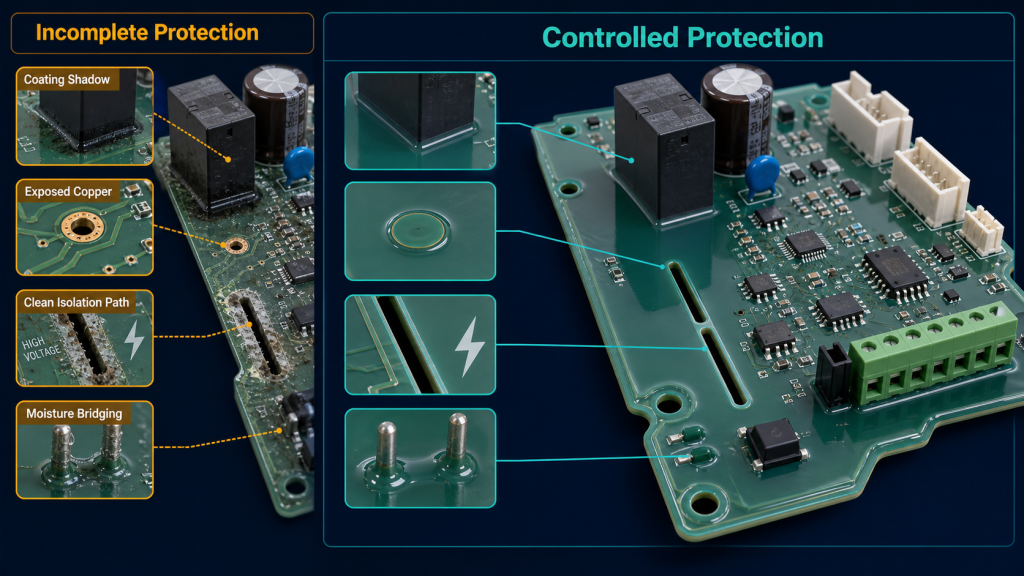
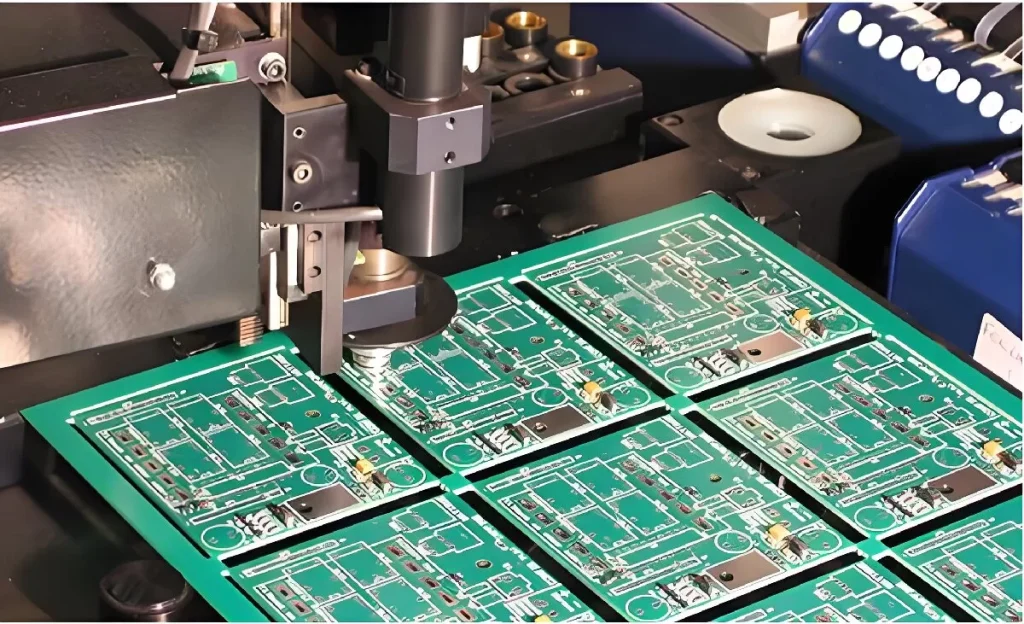
Coating thickness also needs process control. A layer that is too thin may not provide continuous coverage, while excessive material can create curing problems, stress components or interfere with connectors. Inspection methods should match the coating chemistry and may include ultraviolet inspection, thickness measurement and targeted examination beneath components.
The comparison below illustrates why controlled cleaning, masking and coating coverage provide more dependable protection than treating coating as a general spray operation.
Verification Must Reproduce the Real Failure Mechanism
A standard room-temperature functional test confirms that the assembled controller can operate, but it does not reveal how the air conditioning circuit board will behave after repeated humidity and temperature changes.
Environmental validation should reproduce the combination of moisture, temperature transition and electrical bias expected in service. Powered testing is important because electrochemical migration requires both contamination and an electrical potential. An unpowered board may survive a humidity test while the same assembly develops leakage paths when energized.
Testing should also monitor more than complete functional failure. Sensor readings, insulation resistance, standby current, communication stability and reset events can reveal degradation before a short circuit appears. After exposure, inspectors should examine connector pins, exposed copper, high-voltage isolation regions and coating boundaries for corrosion or dendritic growth.
Failure analysis must distinguish between moisture entry and moisture sensitivity. Improving an enclosure seal may reduce exposure, but it does not correct contaminated surfaces or inadequate spacing. Likewise, adding more coating may not solve a failure caused by trapped residue beneath components. The test results should lead back to the actual controlling variable in design or production.
Building Environmental Reliability into PCB Manufacturing
Reliable protection is achieved when the PCB design and assembly process are reviewed together. Before production, engineers should confirm the expected operating environment, critical electrical spacing, coating exclusions, cleanliness requirements and inspection criteria.
This is also the point where cooperation with an experienced manufacturing partner becomes valuable. During an air conditioning circuit board project, iPCB can review component spacing, coating accessibility, isolation features and assembly cleanliness requirements before volume production. The purpose of this review is to remove manufacturing risks while the layout and process can still be adjusted, rather than discovering them through field failures.
Moisture failure rarely comes from humidity alone. It develops from the interaction of condensation, contamination, electrical bias, insufficient spacing and incomplete protective coverage. When those factors are controlled as one system, an air conditioning circuit board can maintain stable sensing, switching and communication performance throughout repeated cooling cycles and long periods of service.