Nora

how to clean amplifier circuit board

How to Clean Amplifier Circuit Board Without Damaging Components

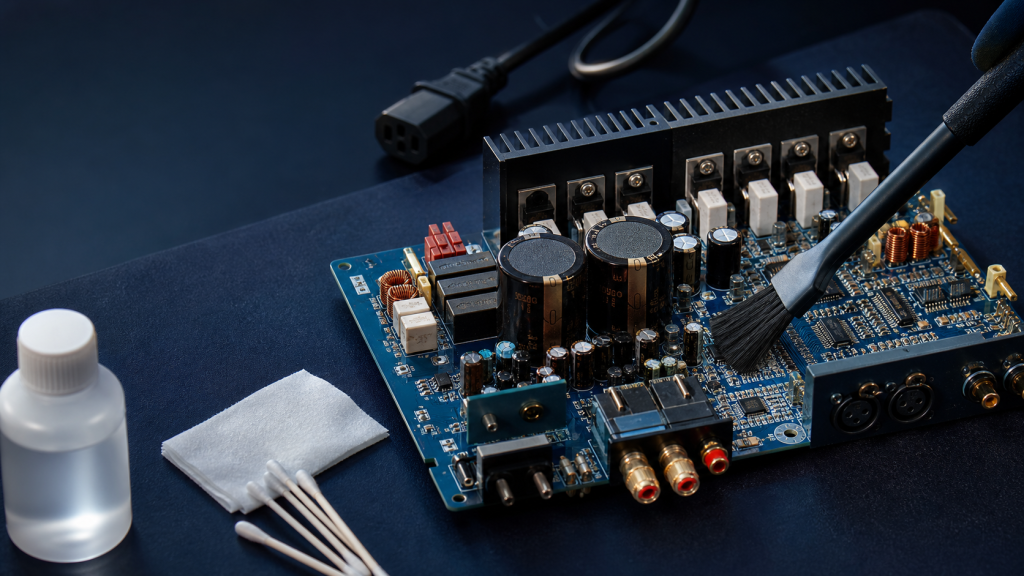
Knowing how to clean amplifier circuit board assemblies correctly is essential when dust, flux residue, nicotine, oil or moisture begins to affect audio performance and long-term reliability. Cleaning, however, is not simply a matter of spraying solvent over the PCB. An amplifier may contain charged power-supply capacitors, solvent-sensitive components, adjustable controls and closely spaced high-voltage […]
IoT module PCB assembly

IoT PCB Assembly Precision for Compact Complex Circuits

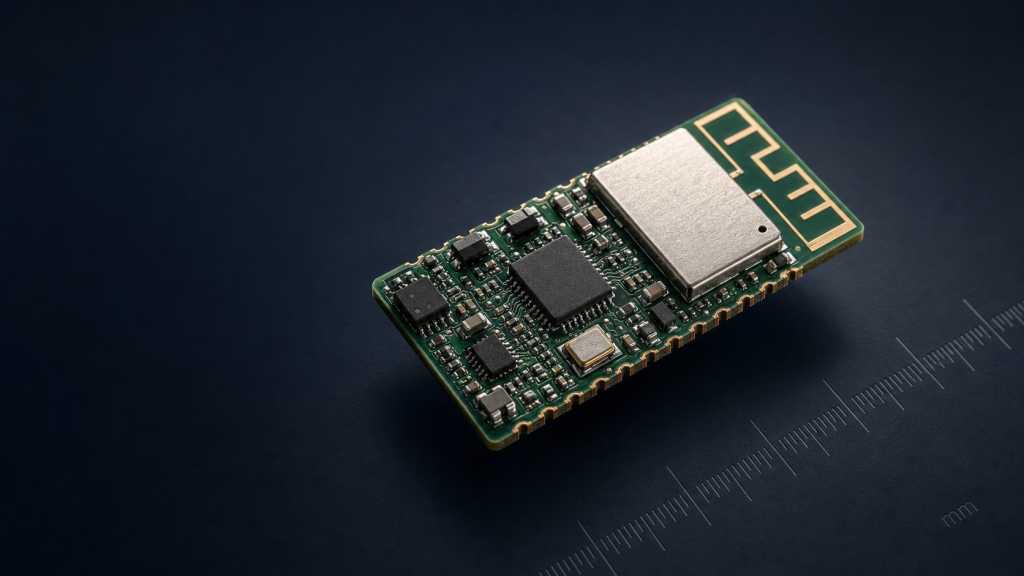
An IoT node often appears simple from the outside: a sensor collects data, a processor makes a decision, and a wireless link sends the result to the network. Inside the product, however, these functions are compressed into a module that may be only a few centimetres long. The same small board must accommodate radio-frequency transmission,

Double Sided Copper Clad PCB Board Structure

The Hidden Interconnection Physics of a Double Sided Copper Clad PCB Board

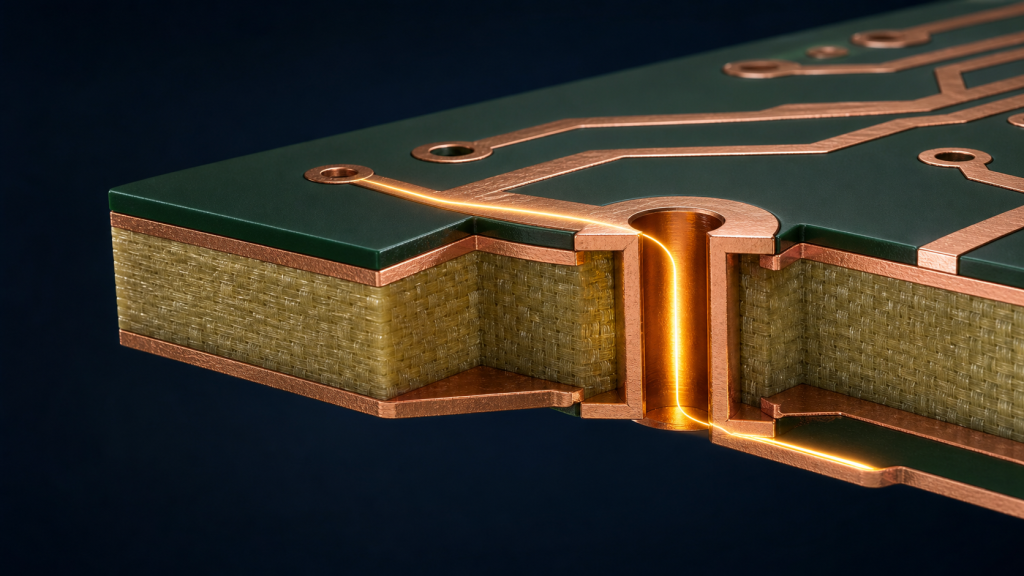
A cutaway view of a double sided copper clad PCB board, showing the copper layers, FR-4 core and plated through-hole interconnection. A double sided copper clad PCB board may appear to be one of the simplest structures in printed circuit manufacturing: a dielectric core covered by copper foil on both surfaces. However, its electrical behaviour

Why Ceramic Substrate Thickness Matters in Industrial Applications

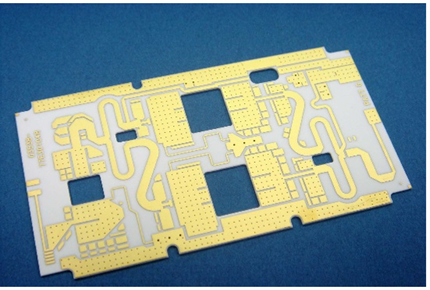
In industrial applications, ceramic substrates are not limited to electronic packaging structures—they are also widely used as insulation and mechanical support components. Therefore, substrate thickness is not a parameter that can be arbitrarily defined. Whether for ceramic materials such as alumina (Al₂O₃) and aluminum nitride (AlN), or for metallization systems such as DBC, DPC, and

Scroll to Top