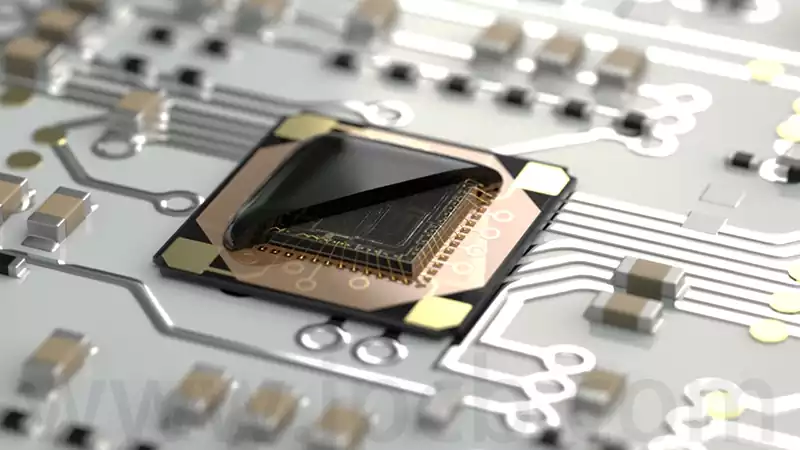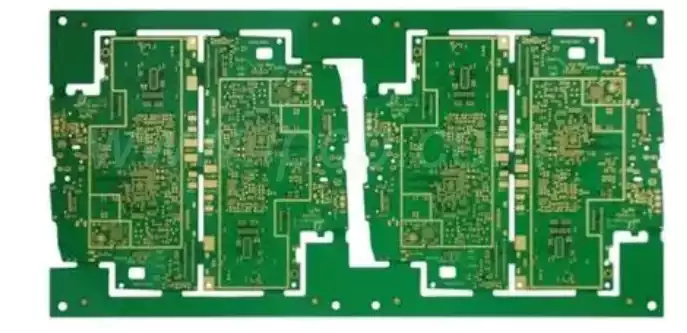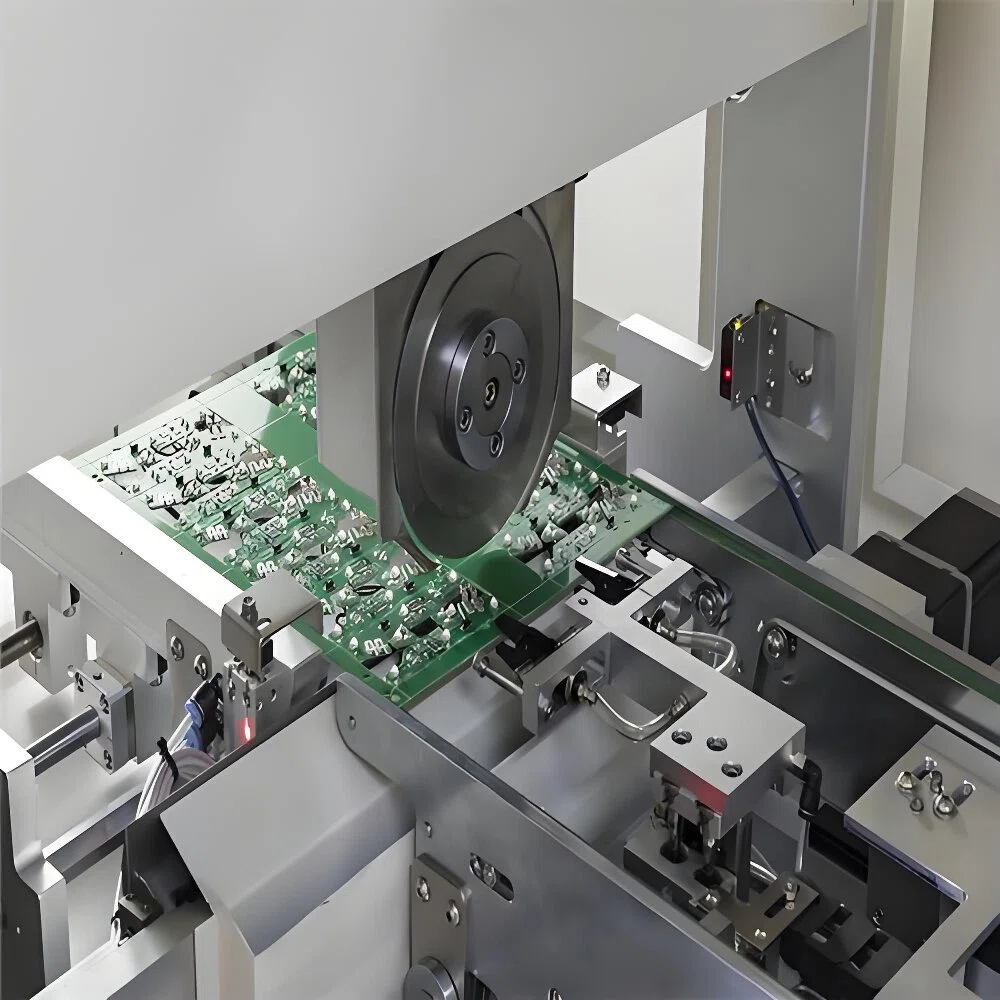
PCBA ion contamination refers to residual ionic contaminants left on a printed circuit board assembly during manufacturing. These contaminants may originate from flux, chemical cleaners, electroplating, wave soldering, reflow soldering, and other production processes. If not properly controlled, they can contribute to electrochemical migration, corrosion, and other reliability problems that affect the performance and service life of electronic products.
Why Conduct Ion Contamination Testing
During PCBA production and assembly, the combination of materials, manufacturing processes, and manual handling can increase the risk of surface contamination. Heavy contamination may be visible during inspection, but small amounts of residual rosin, cleaning agents, and other ionic substances may not be detected through visual inspection alone. These residues can remain on the board and cause electrical or reliability problems after prolonged operation under specific environmental conditions.
As electronic products become more complex and reliability requirements increase, controlling contamination has become an important part of PCBA quality management. The reliability of the finished electronic product depends partly on the cleanliness and quality of its PCB assembly. Therefore, detecting, analyzing, and evaluating ionic contamination helps manufacturers identify potential risks and improve production quality.
Ionic contaminants may include both cations and anions. Their sources vary according to the materials and processes used. For example, residues from certain cleaning or chemical treatment processes may contain nitrate or sulfate ions, while some plating and soldering processes may introduce chloride-containing residues. The actual contaminants depend on the process chemistry and should be identified through appropriate testing when necessary.
Ion contamination testing is therefore an important method for evaluating PCBA cleanliness and determining whether the assembly meets the applicable cleanliness requirements.
PCBA Contamination
PCBA contamination refers to residues or foreign substances on an assembled circuit board that may adversely affect its chemical, physical, or electrical performance. These contaminants can originate from several sources, including:
Oxidation or other forms of contamination on electronic components and the PCB surface.
Flux residues generated during soldering and other assembly processes.
Fingerprints, fixture marks, conveyor contact marks, high-temperature tape, adhesive residues, and dust introduced during manufacturing.
Workplace contaminants such as dust, moisture, solvent vapors, smoke, airborne particles, and electrostatically attracted particles.
The type and amount of contamination depend on the materials, equipment, environmental conditions, and process controls used during production. Identifying the source of contamination helps manufacturers determine whether changes to cleaning, handling, or other manufacturing procedures are necessary.
The Necessity of Cleaning
Cleaning helps remove unwanted residues from PCBA surfaces, improving cleanliness and reducing the risk of contamination-related reliability problems. It can also support the adhesion and performance of conformal coatings when cleaning is required by the selected coating process.
However, cleaning requirements depend on the flux chemistry, assembly design, component characteristics, operating environment, and customer specifications. A no-clean process does not automatically mean that every residue is harmless under all conditions. Manufacturers should evaluate the selected materials and process, and verify cleanliness when required by the product’s reliability requirements.
An appropriate cleaning process must remove relevant contaminants without damaging sensitive components, leaving additional residues, or affecting the reliability of the assembly. Process validation and suitable inspection or testing help confirm that the cleaning method is effective for the specific PCBA.
Hazards of Contamination
Ionic and other residues on a PCBA may create several potential reliability risks:
Corrosion: Certain chemical residues, including some organic acids, can contribute to corrosion of conductive surfaces and component terminals under suitable environmental conditions.
Electrochemical migration: When mobile ions, moisture, and an electrical potential are present together, conductive paths may develop between adjacent conductors, potentially causing leakage current or short circuits.
Reduced coating performance: Residues on the board surface can interfere with the adhesion or effectiveness of conformal coatings and other protective materials.
Long-term reliability issues: Under temperature changes, humidity, and other environmental stresses, contamination-related degradation may contribute to coating defects, corrosion, or intermittent electrical failures.
The severity of these risks depends on the type and location of the contaminants, conductor spacing, operating voltage, humidity, temperature, and exposure time. Ion contamination testing helps identify potential cleanliness issues, but test results should be evaluated alongside the product’s design and operating conditions.
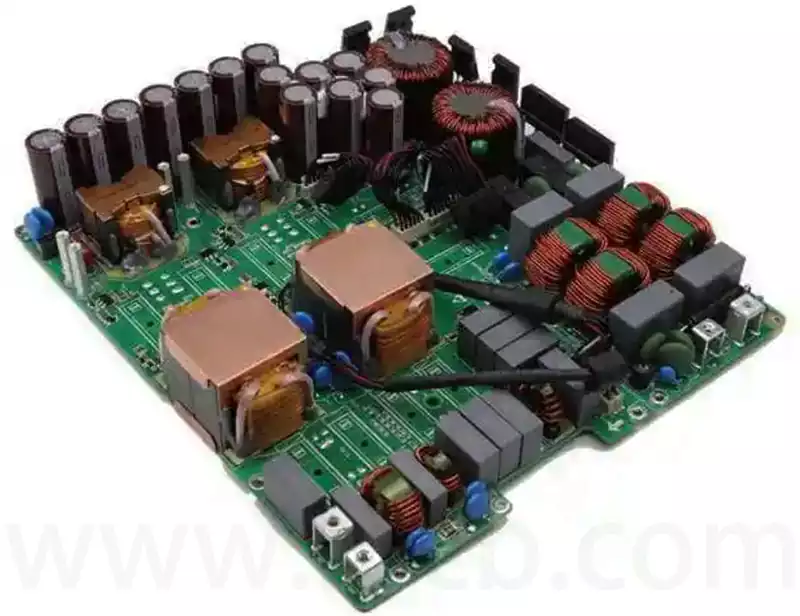
Purpose of Ion Contamination Testing
PCBA ion contamination testing serves several important purposes in electronics manufacturing.
Ensure product quality: Detect excessive ionic residues before nonconforming assemblies reach customers, helping reduce contamination-related failures.
Optimize manufacturing processes: Use test results to evaluate cleaning effectiveness, identify potential contamination sources, and improve process controls.
Meet customer requirements: Verify that the assembly meets the cleanliness criteria and testing requirements specified for the product or application.
Support reliability management: Provide additional evidence for cleanliness control, process qualification, and failure investigation when ionic contamination is a suspected risk.
Testing is particularly useful when qualifying a new cleaning process, investigating unexplained electrical failures, monitoring production consistency, or verifying requirements for products operating in demanding environments.
PCB Ion Contamination Testing
PCB ion contamination testing evaluates ionic residues on circuit boards and assemblies. The appropriate method depends on the purpose of the test, the sample type, and the required level of analysis.
Two commonly referenced methods are solvent extraction resistivity testing, often known as ROSE testing, and ion chromatography.
ROSE testing measures the resistivity or conductivity of a solution after soluble ionic contaminants have been extracted from the sample. It can provide an overall indication of extractable ionic contamination and is useful for process monitoring. However, it does not identify every individual ionic species or show precisely where contamination is located.
Ion chromatography separates and measures specific ionic species in an extract. It is useful when manufacturers need to identify particular contaminants, investigate abnormal test results, or trace potential sources of contamination.
These methods provide different types of information and should be selected according to the applicable test requirements. The test procedure, sample preparation, extraction conditions, reporting units, and acceptance criteria should be clearly defined to ensure that the results are meaningful and comparable.
Common Reference Standards
Commonly referenced documents for PCB and PCBA ionic contamination testing include:
IPC-TM-650 2.3.28B: Ion Analysis of Circuit Boards – Ion Chromatography Method.
IPC-TM-650 2.3.25: Solvent Extract Resistivity (ROSE) – Test Method.
TRW204654: Cleanliness Specification Requirements for PCB/PCBA and Other Electronic/Electrical Assemblies, as referenced in the original article.
The applicable document, revision, test procedure, and acceptance criteria should be confirmed against the customer’s requirements and the intended application. Referencing a test method alone does not establish a universal pass/fail limit for every PCBA.
Ion contamination testing is an important part of PCBA cleanliness control. By identifying potential ionic residue problems, evaluating cleaning effectiveness, and supporting manufacturing process improvements, it helps manufacturers reduce contamination-related risks and improve the reliability of finished electronic products.