Industry Challenges, Evolution, and the Historical Framework of PCB Cutting machines Technology
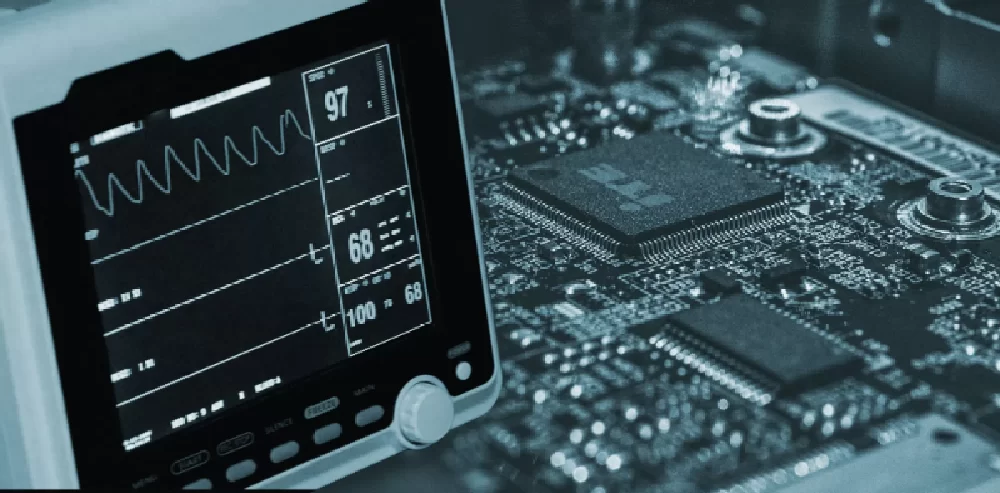
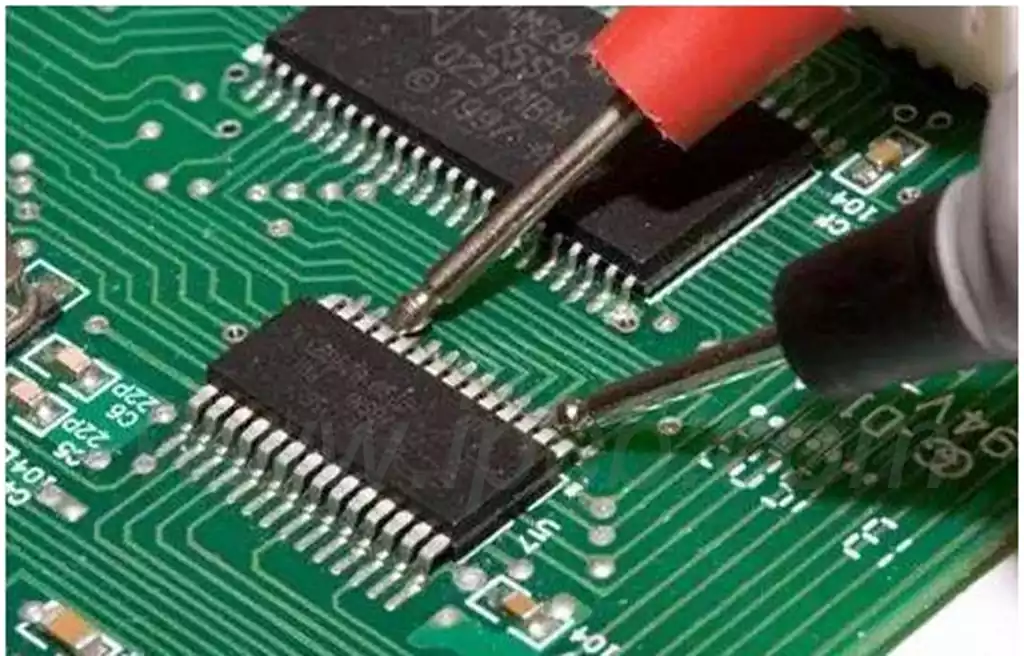
About pcb cutting machines, In an era where electronic product iteration cycles are measured in months, the PCB, as the physical foundation upon which everything is built, experiences amplified impacts on any bottleneck in its manufacturing process. Looking back over the past two decades, PCB depaneling technology has evolved from simple manual bending and V-cutting to automated feed/milling, and now laser PCB cutting has become the mainstream choice in high-precision fields. This evolution has always been driven by the relentless pursuit of smaller, lighter, denser, and more reliable end products.
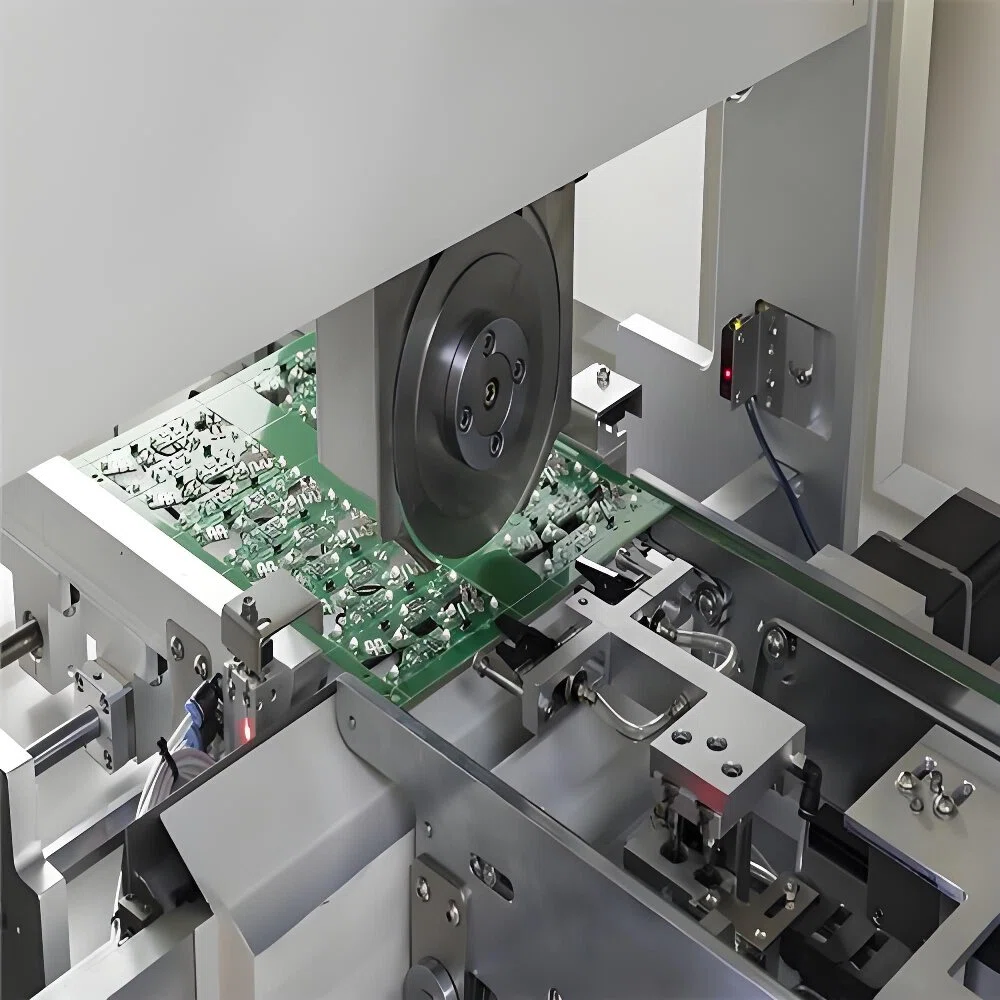
Currently, the manufacturing sector faces four core challenges that directly define the evolution of cutting technology:
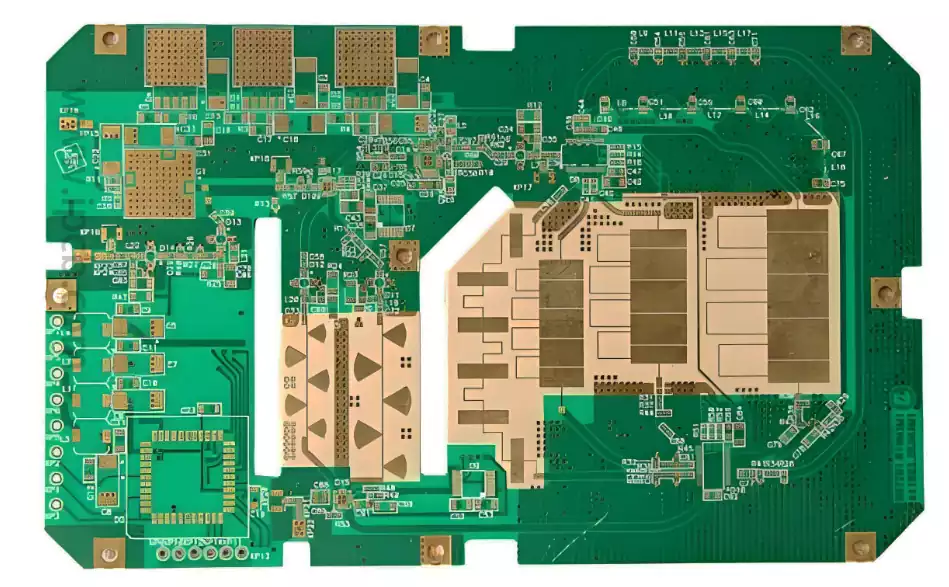
Size and Shape Complexity: Irregularly shaped holes, internal slots, and the irregular contours of mobile phone battery boards are difficult to process with traditional mechanical tools, or the toolpath costs are extremely high.
Material Diversity: From conventional FR-4 to high-frequency PTFE, from flexible PI/CP to aluminum substrates, ceramic substrates, and even rigid-flex boards containing steel sheets, the physical properties of materials vary drastically, requiring highly adaptable processing methods.
Stress and Damage Control: The physical stress generated by mechanical cutting is the main cause of microcracks, copper peeling, and hidden solder joint damage, directly affecting the long-term reliability of products, which is unacceptable, especially in fields such as automotive electronics and aerospace.
Demands for Refinement and Automation: Increasingly fast production line cycles place stringent demands on cutting accuracy (±25μm has become a high-end threshold), cut quality (burr-free, carbonization-free), and seamless integration with MES systems.
These challenges collectively constitute a watershed: low-value-added, standardized products can still utilize optimized mechanical cutting solutions, while all high-reliability, high-density, and high-complexity PCB manufacturing has inevitably incorporated laser cutting technology into its core process roadmap.
In-depth Comparison of Technical Principles: The Limits of Mechanical Cutting and the Physical Revolution of Laser Cutting
To make the right choice, a deep understanding of the underlying logic of both technologies is essential.
2.1 Mechanical Cutting: A Classic Force in Evolution
Mechanical cutting is mainly divided into walking cutter and milling cutter (routing) types. Its essence is to separate materials through the physical cutting force of a high-speed rotating carbide or diamond tool.
Advantages: Mature technology, relatively low equipment and consumable costs, high efficiency for most standard FR-4 sheets, and still dominates the mid-to-low-end market for high-volume, regularly shaped materials.
Limits and Challenges:
- Physical Stress: The lateral shearing force and vertical pressure applied by the cutting tool are unavoidable, posing a potential threat to edge components and internal wiring.
- Tool Wear and Cost: Cutting tools wear quickly when processing abrasvie materials such as fiberglass cloth, and dimensional accuracy changes with wear, requiring frequent calibration and replacement, resulting in hidden costs.
- Dust and Burrs: The generated fiberglass and resin dust pollutes the environment, requiring powerful dust extraction; and burrs of varying degrees are inevitably produced, necessitating additional deburring processes.
- Flexibility Limitations: Processing extremely thin sheets (<0.4mm) is prone to deformation, making processing flexible materials such as FPC virtually impossible.
2.2 Laser Cutting: A Paradigm Shift in Non-Contact Processing
Laser cutting utilizes a high-energy-density laser beam to instantly melt, vaporize, or modify materials. Its core lies in the precise control of the interaction between “light” and “matter.”
Core Physical Principle: Different wavelengths of laser light are absorbed differently by different materials. CO2 lasers (wavelength 10.6μm) are easily absorbed by organic materials (resins) and have high reflectivity to metals such as copper; while ultraviolet/green solid-state lasers (355nm/532nm) are effectively absorbed by copper and are considered “cold processing,” with a heat-affected zone (HAZ) that can be controlled to an extremely low range.
Technology Range and Selection:
CO2 Lasers: Initially used for PCB outline cutting, they cut organic materials quickly but have weak metal cutting capabilities and a large HAZ, and are gradually being replaced by solid-state lasers.
Ultraviolet Lasers (UV Lasers): Currently the absolute mainstream in the high-end market. Short wavelength, small focused spot (up to 15-20μm), high photon energy, capable of directly breaking material molecular bonds, achieving “cold” ablation. They generate almost no thermal stress, produce smooth, perpendicular edges, and do not carbonize, making them the only preferred solution for cutting FPCs, HDI boards, cover films, and rigid-flex boards.
Green Laser: With extremely high absorption rate for copper, it is the best choice for cutting thick copper plates (such as automotive BMS boards) and copper substrates, with significantly higher efficiency than ultraviolet lasers.
Ultrafast Laser (Picosecond/Femtosecond): Compresses pulse time to picoseconds (10^-12 seconds) or even femtoseconds (10^-15 seconds), vaporizing the material in an extremely short time, leaving no time for heat conduction. The heat-affected zone is almost zero, making it a “ultimate solution.” It is suitable for processing heat-sensitive medical implant PCBs, sapphire substrates, etc., but currently, the equipment cost and maintenance complexity are extremely high.
System Integration, Intelligentization, and Zero-Defect Manufacturing Practices
The value of an advanced PCB cutting machine goes far beyond the “laser” itself; it lies in its overall capabilities as an intelligent precision platform.
3.1 High-Precision Motion and Vision Positioning System
Linear Motor Platform: Utilizing a direct-drive linear motor, eliminating the traditional lead screw, it achieves backlash-free, ultra-high acceleration (>2G), and nanometer-level resolution motion, which is the foundation for ensuring high-speed, high-precision cutting.
Multi-vision Fusion: Standard configuration includes a high-definition CCD global positioning camera and a high-resolution line scanning camera. First, the global camera quickly locates the panel MARK points, compensating for PCB expansion and contraction and clamping deviations. Then, the line scanning camera tracks the graphics (such as gold fingers and pads) on each cutting path in real time, performing secondary real-time micro-compensation to ensure perfect alignment between the cutting path and the design graphics, achieving absolute precision in “blind cutting.”
3.2 Process Database and Intelligent Parameter Adjustment: Modern equipment incorporates a vast material and process database, covering hundreds of common PCB materials (various models from brands such as Shengyi, Taiguang, and Isola), copper thickness, and optimal process parameters (power, speed, frequency, air pressure, etc.) for dielectric layer combinations. Operators only need to select the material number, and the system automatically adjusts parameters, greatly reducing the process debugging threshold and trial-and-error costs, ensuring process consistency and repeatability.
3.3 Deep Integration with the Smart Manufacturing Ecosystem
Digital Interface: Supports SECS/GEM protocols, enabling real-time communication with the factory’s MES system to report equipment status (OEE, utilization rate), production quantity, process parameters, and receive work orders, achieving fully digital management.
Predictive Maintenance: The system monitors key parameters such as laser output power, beam quality, chiller status, and optical lens contamination. AI algorithms predict potential faults, providing early warnings and avoiding unplanned downtime.
Fully Automated Production Line Integration: Through standard mechanical interfaces (such as EFEM) and communication protocols, it can connect with loading/unloading robots, AGVs, cleaning machines, and AOI inspection machines to form a fully automated “cutting-cleaning-inspection” unit, enabling 24-hour lights-out production.
3.4 Zero-Defect Quality Control Closed Loop: High-end cutting solutions are integrating process quality control (PQC). A confocal displacement sensor is integrated next to the cutting head to monitor the cutting depth in real time, preventing cut-through or insufficient depth. A miniature line scan camera is integrated to perform preliminary optical inspection of the cut immediately after cutting, identifying obvious defects. This online data is fed back to the MES, forming a real-time process quality closed loop.
Panoramic Application Map and Future Strategic Outlook
The choice of PCB cutting technology is essentially a reflection of product strategy, cost structure, and quality philosophy.
4.1 Application Map of Segmented Markets
Consumer Electronics (Smartphones, Wearable Devices): Ultraviolet laser cutting is standard. Used for irregular cutting of motherboards, LCP antenna modules, and camera module boards. It pursues extreme processing quality (burr-free, dust-free) to ensure assembly yield and needs to adapt to rapid product iteration cycles.
Automotive Electronics (ADAS, Electronic Control, BMS): High reliability is the primary principle. Laser cutting (ultraviolet/green light), due to its stress-free characteristics, has become the preferred choice for thick copper plates in engine ECUs, radar boards, and battery management systems to pass stringent automotive-grade vibration and temperature cycling tests.
Communication infrastructure (5G base stations, optical modules): Materials are mostly high-frequency, high-speed substrates (such as Rogers series), which are high-value and have stringent requirements for signal integrity. Clean laser cutting ensures high-frequency performance to the greatest extent, reducing signal reflection and loss.
Semiconductor packaging substrates and substrate-like boards: Circuit density is close to semiconductor level, but the boards are thin and brittle. Ultrafast lasers (picoseconds) are the only technology capable of achieving micron-level precision and zero-damage cutting, making them one of the enabling technologies for advanced packaging.
4.2 Future Trends Outlook
The rise of hybrid technologies: For multi-layer, multi-material composite boards, composite process equipment combining “mechanical edge milling + laser internal grooving” has emerged, balancing efficiency and quality to achieve optimal cost-effectiveness.
Continuous evolution of light sources: The cost of higher-power, higher-beam-quality ultraviolet/green solid-state lasers will continue to decrease, making high-end processes more widespread. The maturity of fiber ultrafast lasers will lower the barrier to picosecond processing.
Deep AI Integration: Utilizing machine learning algorithms, laser cutting analyzes plasma flashes and sound signals in real time during the cutting process, intelligently judging cutting quality (e.g., whether it cuts through, whether there is slag residue), achieving true online full inspection and adaptive process adjustment.
Sustainability and Green Manufacturing: As a dry process, laser cutting generates almost no consumables (except for protective lenses), with concentrated energy consumption. Compared to mechanical methods that produce large amounts of dust and tool waste, it aligns better with the development direction of green factories.
Summary
PCB cutting has evolved from an “auxiliary downstream process” to a core process affecting the ultimate performance, reliability, and manufacturing cost of electronic products. The choice of technology is no longer a simple equipment procurement decision, but a strategic choice concerning the construction of a company’s manufacturing competitiveness.
Looking to the future, a clear path has emerged: for products pursuing ultimate reliability, complexity, and miniaturization, laser cutting (especially ultraviolet/green light) has changed from “optional” to “essential.” Its value lies not only in the improved quality of the cutting process itself, but also in the efficiency improvements, enhanced flexibility, and optimized total cost of ownership (TCO) brought to the entire manufacturing process through intelligent, digital, and seamless integration.
Corporate decision-makers should collaborate closely with equipment suppliers and process experts, moving beyond comparisons of individual equipment parameters to conduct a comprehensive evaluation from the perspectives of material properties, product lifecycle, end-to-end yield chain, and the overall smart manufacturing architecture of the factory. Investing in advanced cutting technology is essentially an investment in the intrinsic quality of the product, the reliable reputation of the brand, and manufacturing resilience in the face of future uncertainties. In this battlefield of precision down to the micrometer, cutting accuracy defines the boundaries of the product and determines the future that a company can reach.