A white PCB board is a printed circuit board that uses white solder mask instead of the green solder mask commonly associated with conventional PCBs. Although the difference is immediately visible, the change is not simply a matter of appearance. White solder mask can influence how light interacts with the circuit board, how clearly markings can be seen during assembly and inspection, and how the finished PCB looks inside the final product. These characteristics make white PCBs particularly useful for LED lighting, backlighting, displays, and electronic products in which the circuit board remains visible.
It is also important to understand that a white PCB board does not necessarily use a different type of base material. The board may still be manufactured with FR-4, aluminum-based materials, ceramic substrates, or other PCB constructions selected according to the electrical, mechanical, and thermal requirements of the application. In most cases, the white appearance comes from the solder mask rather than from the substrate itself. As a result, the decision to use a white PCB should be based on the function and environment of the finished product rather than on the color alone.
What Makes a PCB Board White
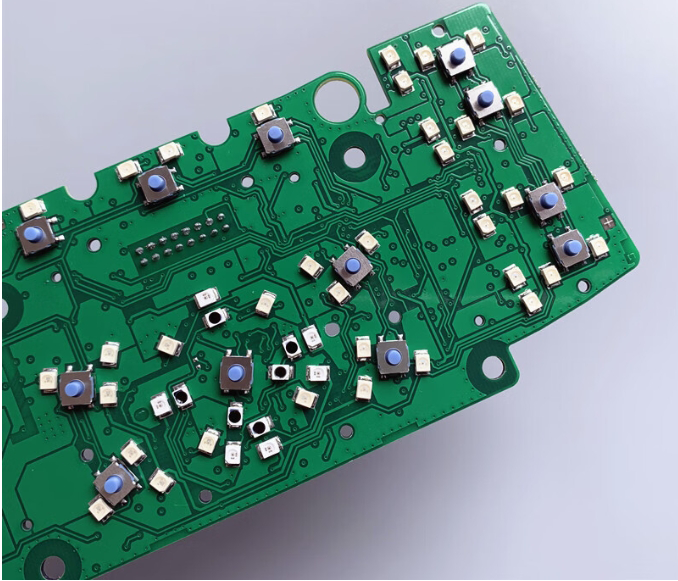
The solder mask is a protective insulating layer applied over the PCB surface, leaving selected areas such as component pads exposed for soldering. It protects the underlying copper from contamination and environmental exposure while also helping prevent unintended electrical connections between adjacent conductors. Traditional PCBs commonly use green solder mask, but manufacturers can use different solder mask colors when the application requires a particular visual or optical characteristic.
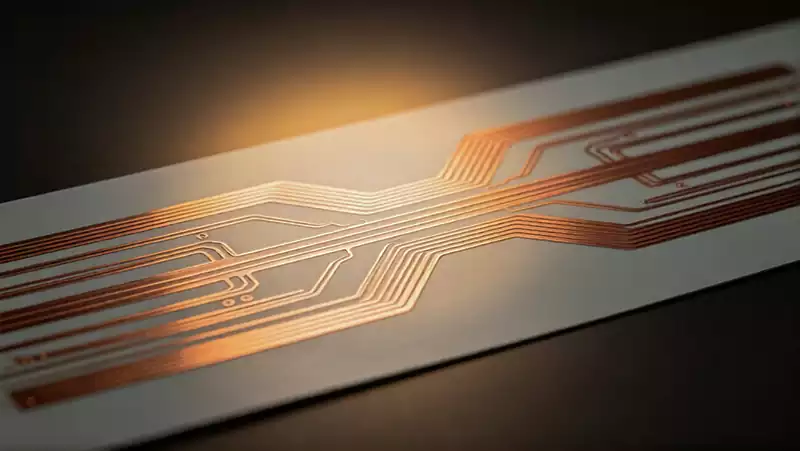
A white PCB board uses a solder mask formulation containing white pigments. The copper layers, vias, laminate, and surface finish can remain essentially the same as those used on a PCB with another solder mask color. This means that changing from green solder mask to white does not automatically change the electrical architecture of the board. Instead, it changes the properties of the surface that surrounds the exposed copper and components.
This distinction becomes especially important when a white PCB is being specified for an engineering project. If the main requirement is a particular appearance, the PCB construction can often remain based on the same electrical and mechanical requirements already established for the product. If the board is being used around LEDs or other light sources, however, the white surface can become part of the optical design and should be considered during the PCB layout stage.
Why White PCB Boards Are Widely Used in LED Applications
LED lighting is one of the most common applications for white PCB boards because the solder mask can influence the way light behaves around the LEDs. A white surface generally reflects more visible light than a darker solder mask, so light reaching areas of the PCB around an LED can be redirected instead of being absorbed to the same extent by a dark surface. This property can be useful in LED modules, backlighting systems, displays, signage, and other products in which the circuit board is positioned close to the light source.
The contribution of the white solder mask should not, however, be considered independently from the rest of the optical system. The LED package, lens, spacing, reflector structure, board geometry, and solder mask material all affect the final distribution of light. A white PCB can therefore support an optical design, but it does not replace a dedicated reflector or guarantee a particular lighting efficiency.
For LED engineers, the more useful approach is to consider the PCB surface as one component of the complete optical structure. The required board construction, LED arrangement, thermal path, and optical environment should be evaluated together so that the white solder mask provides a practical benefit rather than being selected simply because white is commonly associated with LED boards.
White Solder Mask Does Not Determine Thermal Performance
The relationship between white PCB boards and thermal management is sometimes misunderstood. Because a white surface reflects light, it may appear reasonable to assume that a white PCB will automatically provide better heat dissipation. In reality, solder mask color is not the primary factor that determines the thermal performance of a circuit board.
Heat generated by LEDs and other power components must be transferred through an appropriate thermal path. Depending on the application, this may involve the copper structure of the PCB, thermal vias, a metal core, a ceramic substrate, thermal interface materials, or an external heatsink. An aluminum PCB, for example, obtains much of its thermal advantage from its metal-core construction rather than from the color of its solder mask.
For this reason, a high-power LED application should not select a white PCB simply because white solder mask is associated with lighting. The substrate and thermal architecture need to be selected according to the actual power dissipation and operating temperature. The white solder mask can then be incorporated into the design to address optical or visual requirements.
Choosing the Right Material for a White PCB Board
The appropriate PCB material depends on the operating requirements of the electronic product rather than on the desired solder mask color. FR-4 is suitable for many standard electronic applications where conventional electrical and mechanical performance is sufficient. When heat generation becomes an important design factor, an aluminum-based metal-core PCB may provide a more suitable thermal path. Ceramic substrates can also be considered for applications that require particular thermal, electrical, or high-temperature characteristics.
This separation between substrate selection and solder mask selection is useful when developing a custom white PCB board. The substrate should be chosen according to factors such as operating temperature, thermal conductivity, dielectric requirements, mechanical strength, layer structure, and electrical performance. White solder mask can then be specified according to the visual and optical requirements of the finished assembly.
For example, two LED products may both require white PCB boards while having completely different internal constructions. A low-power lighting module may be adequately served by an FR-4 PCB, whereas a high-power LED assembly may require a metal-core or ceramic construction to manage heat effectively. The white appearance alone does not determine which construction is appropriate.
White PCB Boards in Visible Electronic Products
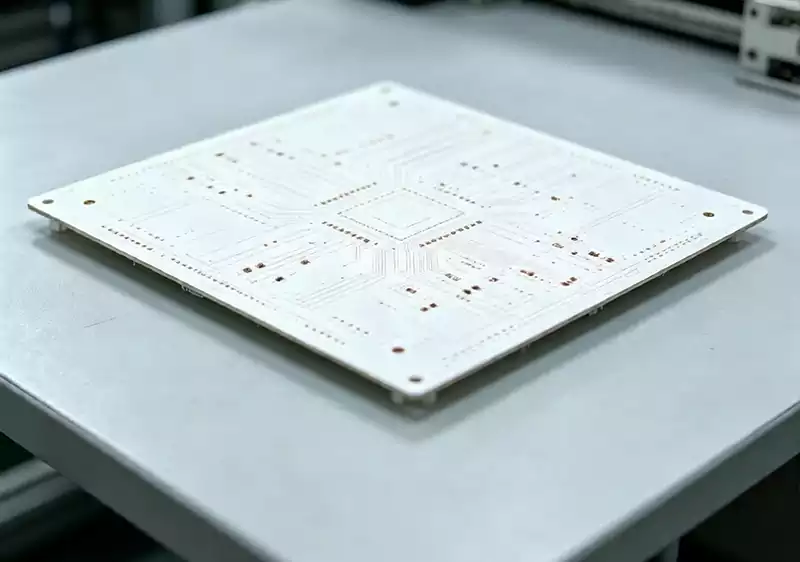
LED lighting is not the only application in which white PCBs are useful. Some electronic products are designed with transparent, translucent, or partially exposed housings, which means that the PCB itself can become visible after assembly. In these situations, the color and surface quality of the PCB can influence the overall appearance of the finished product.
A white solder mask can provide a clean and relatively neutral appearance that works well with light-colored housings and minimalist product designs. It may therefore be used in selected consumer electronics, smart devices, displays, wearables, lighting products, and other assemblies in which the circuit board is not completely hidden.
When the PCB is visible, manufacturing consistency becomes more important. Small amounts of contamination, scratches, uneven solder mask coverage, or discoloration can be easier to notice on a white surface. A board that meets all electrical requirements may still fail a product’s visual requirements if the cosmetic specification is not clearly defined.
For this reason, visible white PCB applications should establish acceptable cosmetic conditions before mass production rather than relying on visual judgment after the boards have been manufactured.
Silkscreen Design Requires Additional Attention
Changing the solder mask from green to white also changes the visual contrast between the PCB surface and its silkscreen markings. This can affect component reference designators, polarity indicators, test labels, and other information used during assembly and maintenance.
A silkscreen color that works well against green solder mask may not provide sufficient contrast against a white background. Darker markings are generally easier to read, which is why black or another contrasting legend color is often considered for white PCB designs.
The layout should therefore be reviewed when changing the solder mask color. Small reference designators, closely spaced markings, and fine text that were readable on a conventional PCB may become less obvious against a white surface. This is particularly important for boards with dense component placement, where assembly technicians and inspectors depend on clear visual information.
Manufacturing Considerations for White PCB Boards
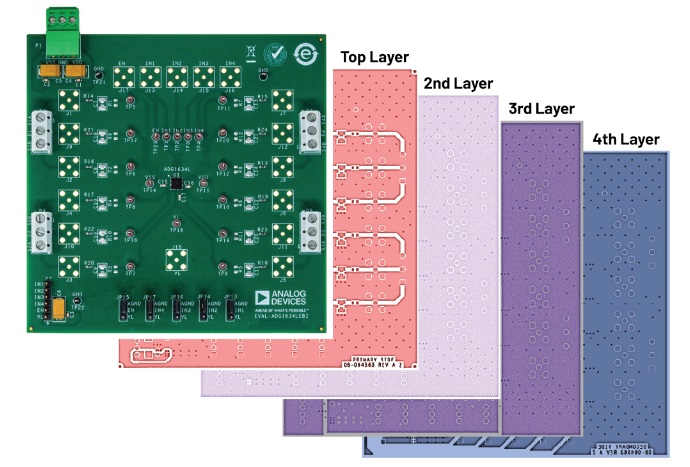
The fundamental PCB manufacturing process does not change completely when white solder mask is selected. Depending on the board construction, production may still include layer fabrication, lamination, drilling, copper plating, etching, solder mask application, surface finishing, legend printing, electrical testing, and final inspection.
The main process difference is the solder mask material and the associated application and curing conditions. The white solder mask needs to provide consistent coverage while maintaining accurate openings around component pads and other exposed conductive areas. The finished surface should also meet the required standards for adhesion, insulation, appearance, and environmental resistance.
White surfaces can make manufacturing imperfections more noticeable. Uneven coating, contamination, scratches, and color variations may be easier to see than they would be on a darker solder mask. For products in which the PCB remains visible, this can make process cleanliness and handling particularly important during production.
The manufacturing specification should therefore define both functional and cosmetic requirements. A simple requirement such as “white solder mask” may not provide enough information if color consistency, surface appearance, or long-term stability is important to the final product.
Color Stability Matters in Long-Term Applications
The appearance of a white PCB can change when the solder mask is exposed to demanding environmental conditions. Prolonged heat, ultraviolet exposure, and other environmental factors can affect certain white solder mask formulations and may lead to discoloration over time.
This consideration is particularly relevant to outdoor lighting, continuously operating LED products, and equipment exposed to elevated temperatures. If the white PCB is part of the visible appearance or optical structure of the product, a change in color may affect more than aesthetics.
The solution is to select a solder mask material appropriate for the expected operating environment. Different materials have different resistance to heat, UV exposure, and discoloration, so the relevant technical data should be reviewed before production. Where long-term optical performance is important, environmental testing can also be incorporated into the product qualification process.
Surface Finish and Solder Mask Are Different Specifications
A common misunderstanding is that choosing a white PCB automatically determines the surface finish. In fact, solder mask and surface finish perform different functions and should be specified separately.
The white solder mask provides surface protection and electrical insulation, while the surface finish protects exposed copper pads and provides an appropriate solderable surface for component assembly. Depending on the PCB design and assembly requirements, different surface finishes may be suitable.
This means that a complete white PCB specification should include more than the board color. The design documentation should identify the base material, number of layers, copper thickness, board thickness, solder mask color, silkscreen color, surface finish, dimensional requirements, and other relevant manufacturing specifications.
A clear specification reduces the risk of misunderstandings when the design moves from engineering to fabrication.
White PCB Board Compared With Green PCB
The main difference between white and green PCBs is the solder mask rather than the fundamental circuit structure. Both can be produced using similar PCB substrates, copper structures, drilling methods, plating processes, and surface finishes.
Green solder mask remains widely used because it provides familiar visual contrast and established inspection practices. White solder mask becomes more attractive when the board needs to reflect light, remain visible inside the final product, or provide a particular visual appearance.
The choice therefore depends on the application. For a conventional enclosed control board, the color may have little functional importance. For an LED lighting module, the optical characteristics of the surface can be relevant. For a visible consumer product, the appearance of the board may become part of the industrial design.
There is no universal rule that makes one solder mask color better than another. The correct choice depends on what the PCB needs to accomplish within the finished product.
How to Design a White PCB Board for Production
White solder mask should ideally be considered during the PCB design process rather than added after the layout has already been finalized. The designer should review the silkscreen contrast, component markings, inspection requirements, exposed areas, and the relationship between the PCB surface and any nearby light sources.
LED boards require additional consideration because the solder mask can form part of the optical environment. LED placement, thermal paths, copper areas, board material, and surrounding mechanical structures should be evaluated together. A white surface can help with light reflection, but it cannot compensate for an inadequate thermal path or poorly designed optical structure.
For visible electronics, cosmetic requirements should also be established during the design stage. If the PCB will be seen through the product enclosure, the project may need requirements for surface cleanliness, coating uniformity, color consistency, and acceptable cosmetic defects.
Addressing these factors before production is generally much easier than trying to correct them after the PCB has entered mass manufacturing.
What Should Be Included in a White PCB Manufacturing Specification?
When ordering a white PCB board, the color specification should be only one part of the manufacturing documentation. The manufacturer needs enough information to understand the electrical, mechanical, thermal, optical, and assembly requirements of the product.
A typical specification may include the board dimensions, layer count, base material, copper thickness, finished board thickness, minimum trace and spacing, via structure, solder mask color, silkscreen color, surface finish, controlled impedance requirements where applicable, and assembly requirements.
LED applications may require additional information about LED power, operating temperature, thermal management, mounting conditions, and optical requirements. These details can influence whether FR-4, aluminum, ceramic, or another PCB construction is appropriate.
The more closely the manufacturing specification reflects the actual application, the easier it is to select a suitable PCB construction and avoid treating solder mask color as the primary design decision.
When Is a White PCB Board the Right Choice?
A white PCB board is most valuable when its surface characteristics provide a clear benefit to the finished electronic product. LED lighting is a strong example because the white solder mask can contribute to light reflection around the LEDs. Backlighting and display applications can benefit for similar reasons, while visible consumer electronics may use white solder mask because the appearance of the PCB is part of the overall product design.
For a completely enclosed electronic assembly with no optical requirements, the practical benefit may be much smaller. In such cases, the decision can be based primarily on appearance, customer requirements, or product differentiation.
The important point is that white solder mask should be considered together with the rest of the PCB design. The substrate determines much of the electrical and thermal behavior, the copper structure determines current-carrying and heat-spreading capability, the surface finish affects solderable pads, and the solder mask protects the board while influencing its appearance and interaction with light.
When these requirements are evaluated together, a white PCB board can become a useful part of the product design rather than simply a different-colored version of a conventional circuit board.