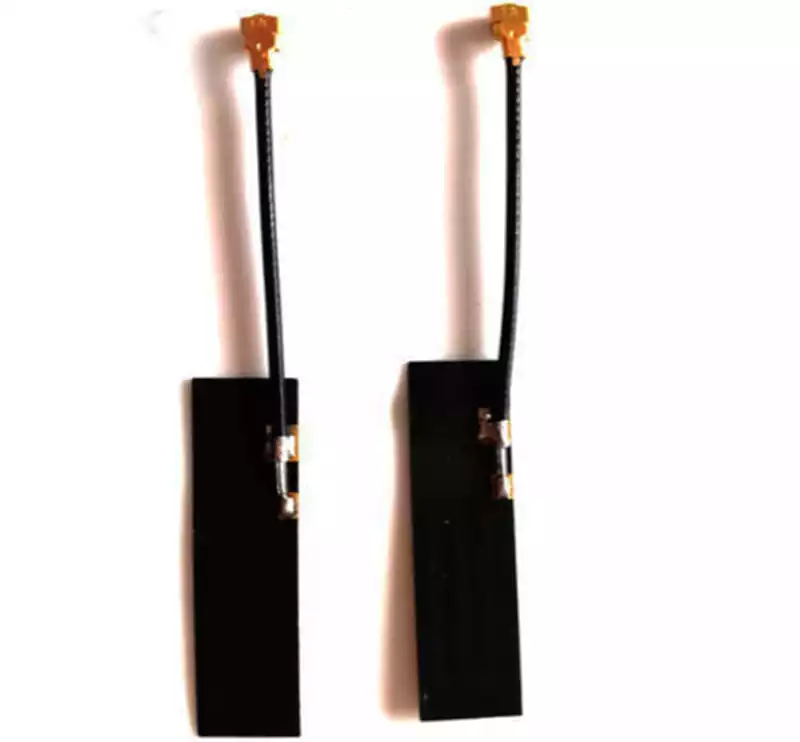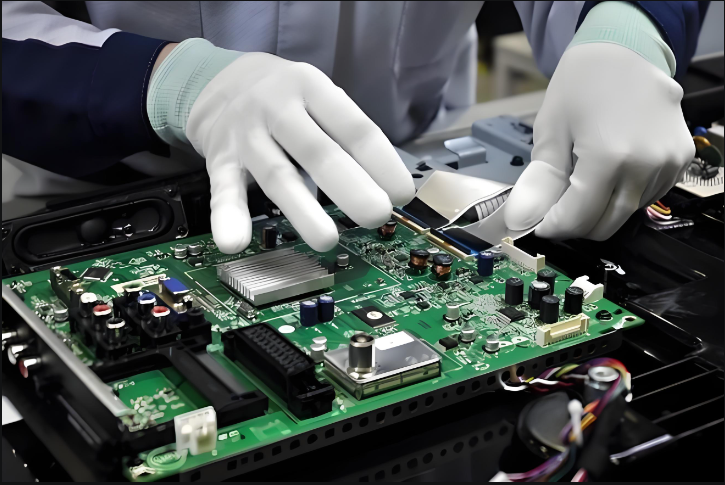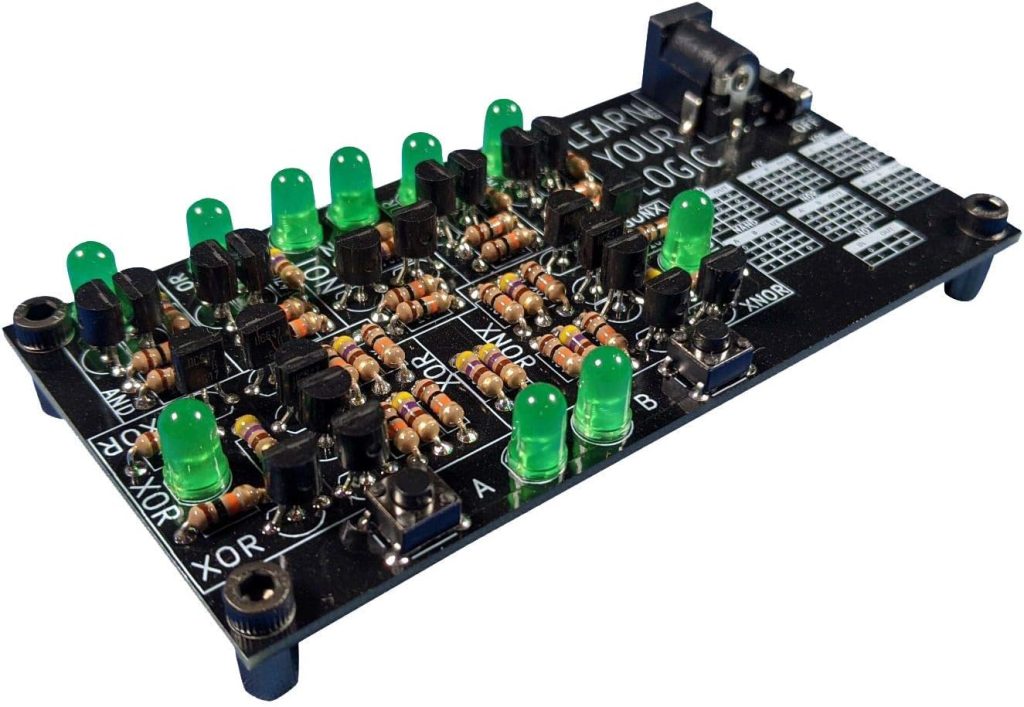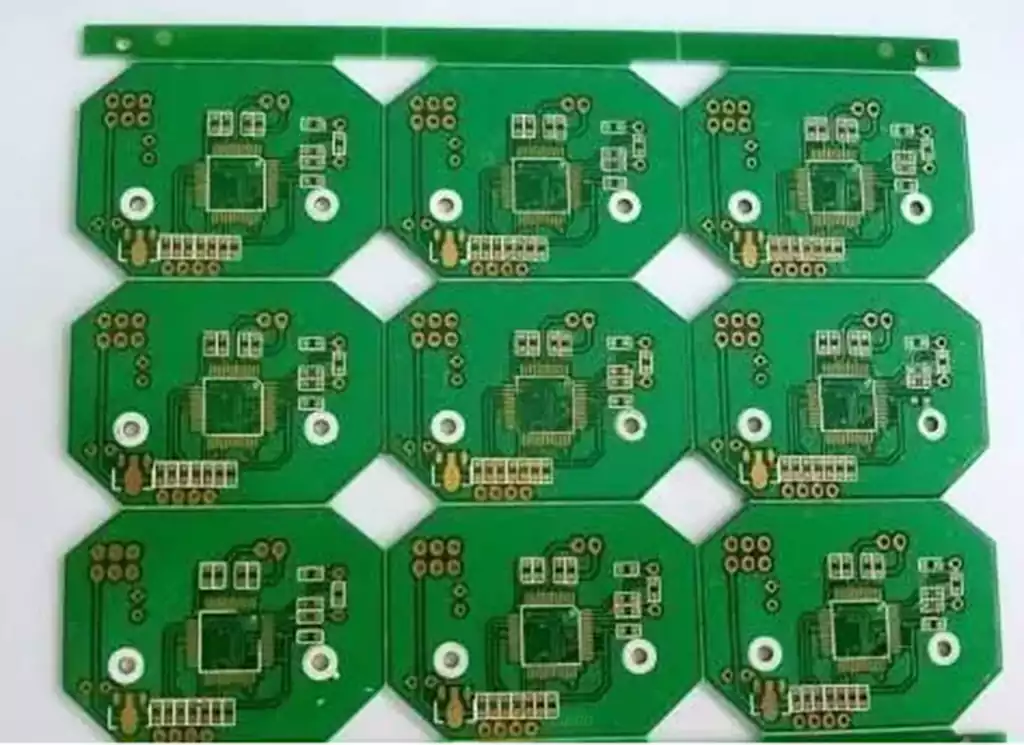
Surface Mount Technology (SMT) is a core process in modern electronics manufacturing. Its production workflow comprises a series of interlinked precision processes, with every stage critical to the quality and reliability of the final product. From the precise application of solder paste to the high-speed placement of components, and from ensuring electrical continuity during reflow soldering to comprehensive quality inspection, the entire production process reflects not only the stringent requirements for micron-level precision but also the high degree of integration between automation and intelligent technologies.
SMT Assembly Processes
Screen Printing
As the first stage in the SMT assembly production line, the core purpose of screen printing is to lay the foundation for the subsequent soldering and fixing of components; the quality of this operation directly impacts the final outcome of the entire assembly process. The key equipment responsible for this stage is the screen printing machine, which acts as the ‘brush’ of the production line, precisely controlling the application volume and uniformity of solder paste or adhesive, thereby ensuring a reliable connection between components and the PCB.
The basic principle of screen printing is to transfer solder paste or adhesive through a mesh screen onto the designated pad areas of the PCB. Although this process appears simple, it involves strict technical requirements. Solder paste, as the key material for achieving a solder joint, consists of alloy powders, paste flux and additives. It possesses good viscosity and thixotropy, temporarily fixing components at room temperature before achieving a secure solder joint upon heating to high temperatures.
Adhesive, on the other hand, is primarily used to assist in securing components, preventing them from shifting during subsequent processes. Screen printing machines utilise high-precision positioning systems to ensure that solder paste or adhesive accurately covers each pad, avoiding defects such as missed prints, overprints or bridging—missed prints can prevent components from being soldered properly, whilst overprints may cause short circuits; both issues directly impact the PCB’s yield rate.
High-quality screen printing requires the selection of a stencil that matches the PCB pad dimensions and component precision, along with the appropriate control of printing pressure and speed, to ensure the solder paste or mounting adhesive is applied evenly and without bubbles. Although this is a fundamental process, it plays a crucial role akin to ‘laying the foundations’; its quality directly influences the smoothness of subsequent processes and helps reduce rework costs.
Dispensing
Dispensing is a crucial process in SMT assembly used to assist in securing components. Its position can be flexibly adjusted according to production requirements; it can be placed at the front end of the production line to coordinate with the screen printing process, or positioned after inspection equipment to provide supplementary securing for specific components. The equipment used for this process is a dispensing machine, which acts like a precision ‘dispenser’, applying a measured amount of specialised adhesive to predetermined positions on the PCB to achieve an initial, secure bond between the component and the PCB.
The primary function of dispensing is to compensate for the limitations of solder paste in terms of holding power. It is particularly suitable for components that are large in size, heavy in weight, or subject to external forces, preventing them from shifting or detaching during placement, curing and soldering. By precisely controlling the amount of adhesive and the dispensing location, the dispensing machine ensures that the adhesive evenly covers the fixing points, thereby avoiding contamination of the pads caused by excessive adhesive and preventing poor fixation due to insufficient adhesive.
Placement
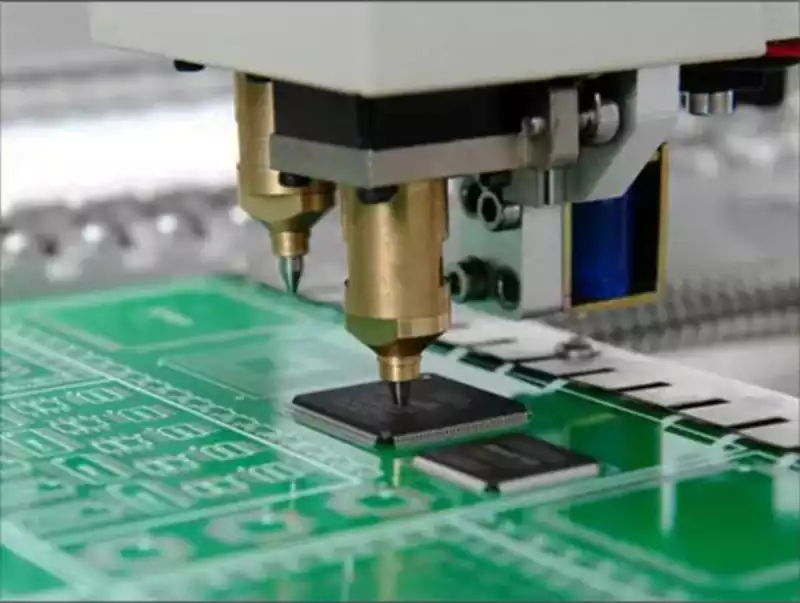
Placement is the core stage of SMT assembly and a key step in demonstrating process precision. Its function is to accurately and efficiently place surface-mount components onto designated positions on the PCB, thereby constructing the PCB’s ‘functional framework’. As the central equipment in this stage, the placement machine is positioned after the screen printer. Relying on a high-precision positioning system and high-speed placement capabilities, it achieves efficient component assembly and is an indispensable piece of equipment on the SMT production line.
Modern placement machines operate fully automatically, equipped with high-speed placement heads and vision positioning systems. They can accurately identify component type, size and orientation, and rapidly perform pick-and-place operations. Placement accuracy can reach the micrometre level, meeting the requirements for mounting miniature components such as 01005-sized parts and precision components like BGAs. In large-scale production scenarios, the placement speed of a placement machine can reach tens of thousands of components per hour, significantly enhancing PCB manufacturing efficiency whilst eliminating the deviations and errors associated with manual operations.
The core requirements of the placement process can be summarised as ‘precision, speed and damage-free’: it is essential not only to ensure the accurate positioning of components but also to prevent damage to component leads or PCB pads during placement. By adjusting placement pressure and speed, the placement machine adapts to components of varying sizes and weights, ensuring tight contact between the components and the solder paste or adhesive, thereby providing a solid foundation for subsequent curing and soldering processes. The quality of this stage directly determines the functional integrity of the PCB—any misalignment or incorrect orientation of components may result in the failure of the entire PCB.
Curing
The curing process takes place after component placement. Its purpose is to cure the adhesive by applying high heat, thereby achieving a strong bond between the surface-mounted components and the PCB board, and providing a stable foundation for subsequent soldering processes. This process is carried out using a curing oven; the precision of its temperature control has a significant impact on the curing outcome, making it a critical piece of equipment for ensuring the reliable fixation of components.
The basic principle of curing lies in using precise temperature control to induce a chemical reaction in the adhesive under high-temperature conditions, causing it to transition from a liquid to a solid state and form a strong bonding layer that securely fixes the components to the PCB. The temperature profile of the curing oven must be set according to the type of adhesive and the material of the PCB; it is typically divided into four stages: preheating, constant temperature, curing and cooling. This ensures the adhesive cures fully whilst preventing damage to the components or the PCB caused by excessive heat.
Reflow Soldering
Reflow soldering is a critical process in SMT assembly for establishing the electrical connection between components and the PCB; it complements the curing process—curing provides mechanical fixation, whilst reflow soldering completes the electrical connection, with both processes jointly ensuring the functional integrity of the PCB. As the core equipment in this stage, the reflow oven is positioned after the placement machine. By precisely controlling the temperature profile, it melts the solder paste to achieve reliable electrical and mechanical connections between component leads and PCB pads.
The basic principle of reflow soldering is similar to that of curing, but it focuses primarily on the melting and solidification of the solder paste. At high temperatures, the solder paste melts, flows and wets the component leads and PCB pads, removing the oxide layer from the surfaces of the leads and pads. Upon cooling, it forms a robust solder joint, completing the electrical connection between the components and the PCB.
The temperature profile of the reflow oven must strictly correspond to the type of solder paste used—lead-free and leaded solder pastes have different melting points, and their corresponding temperature profiles also differ. Typically, the peak temperature is controlled between 210°C and 240°C, whilst the rates of heating and cooling must be appropriately managed to prevent thermal shock from damaging the components.
Inspection
Inspection is an indispensable quality control step in SMT assembly, serving to comprehensively identify any defects that may have arisen during the manufacturing process. It ensures that the soldering and assembly quality of the PCB meets factory standards and prevents defective products from entering the market. Inspection equipment can be flexibly positioned at appropriate points along the production line according to production requirements, establishing a ‘full-process inspection’ system to provide comprehensive assurance of product quality.
The inspection process involves a wide range of equipment to meet various inspection requirements: magnifying glasses and microscopes are primarily used for manual visual inspection to identify minute cosmetic defects; In-Circuit Testers (ICT) and flying probe testers are used to test the electrical performance of PCBs, detecting hidden defects such as short circuits, open circuits and cold solder joints.
Automated Optical Inspection (AOI) equipment utilises high-resolution cameras to rapidly identify visual defects such as placement misalignment, omissions, incorrect placement and solder bridges, offering high inspection efficiency with a low false-positive rate; X-ray inspection systems are used to inspect hidden solder joints in components such as BGAs and CSPs, using X-ray imaging to detect internal voids, bridging and other defects, thereby ensuring soldering quality.
Rework
Rework is a remedial process established in SMT assembly for PCBs that fail inspection. Its purpose is to rectify detected defects, recover the value of defective products, reduce production costs, and improve production efficiency. The rework process has no fixed location; it can be flexibly configured near inspection equipment or set up as a separate rework station according to the production line layout to accommodate different production requirements.
The basic procedure for rework involves using specialised equipment to address specific defects based on their type: for soldering defects such as cold solder joints or solder bridges, a soldering iron or rework station may be used to reheat the solder joint for repair; for issues such as component misalignment, omissions or incorrect placement, the faulty components may be removed and the process repeated, including placement, reflow and soldering; In cases of component damage, replacement with qualified components ensures the PCB meets factory standards.
Cleaning
Cleaning is the final stage in the SMT assembly process. Its purpose is to remove soldering residues from the surface of the PCB, such as flux, solder dross and dust. These residues not only affect the appearance of the PCB, but may also corrode components and pads, compromising the long-term stability of the product and even posing a risk to human health. As the core equipment in this stage, the cleaning machine can be flexibly positioned; it can be integrated into the production line or operated independently offline.
The cleaning process combines physical action with chemical reactions. The cleaning machine uniformly sprays a specialised cleaning solution onto the surface of the PCB to dissolve and emulsify residues, which are then thoroughly removed via high-pressure spraying, ultrasonic treatment or similar methods. Finally, the PCB undergoes a drying process to ensure the surface is clean and residue-free. The choice of cleaning solution must be tailored to the PCB material and the type of residue to prevent corrosion of the PCB and components.
With the continuous advancement of electronic manufacturing technology, the SMT assembly process is evolving towards greater intelligence and flexibility. The application of new technologies such as automated inspection, intelligent rework and digital twins has further enhanced processing precision and efficiency. Only by strictly controlling process standards at every stage and strengthening quality management can high-quality PCB products that meet market demands be produced, thereby maintaining a competitive edge in an increasingly fierce industry.