FR-4, aluminium substrates and flexible printed circuit boards are the three most common PCB material options in electronic design. This article compares them across four dimensions—material properties, performance differences, manufacturing costs and application scenarios—to provide guidance for material selection during product development.
The Fundamental Differences Between the Three Materials
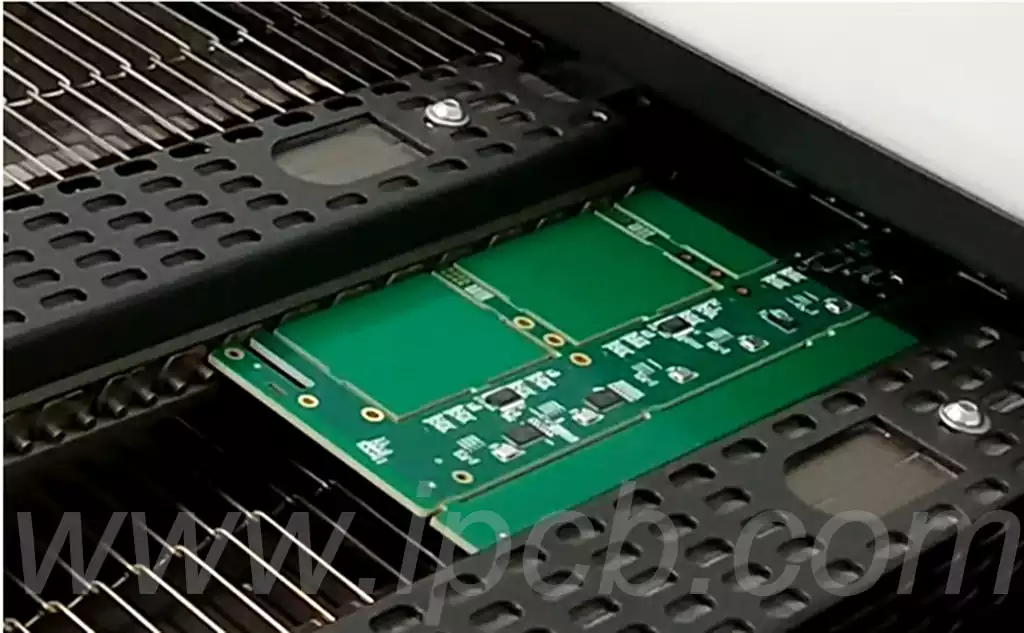
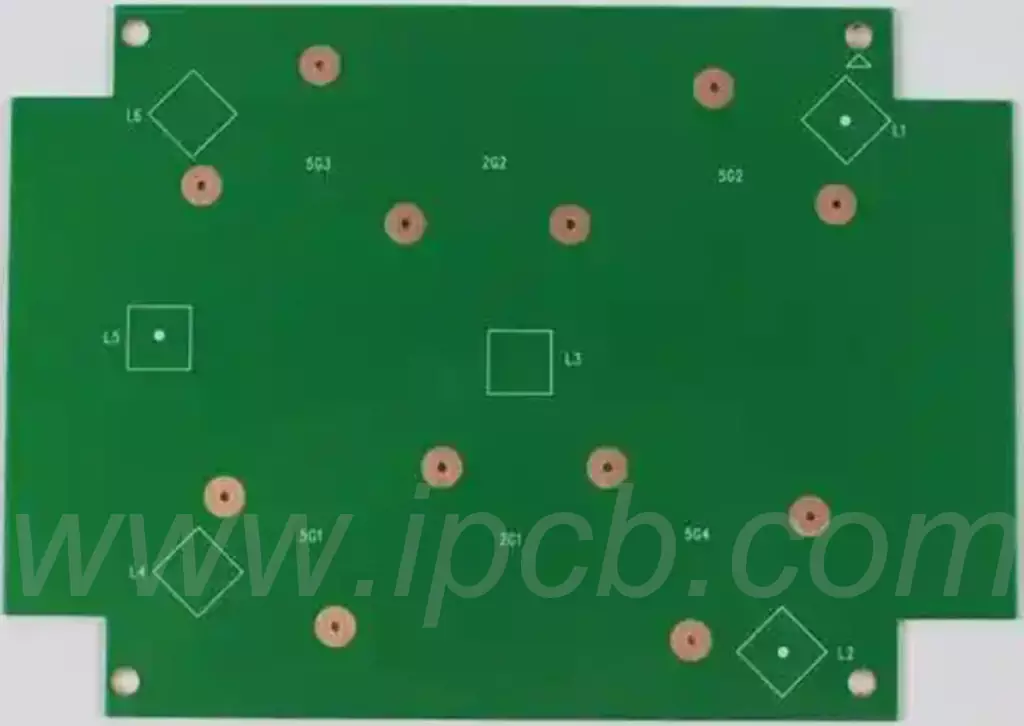
FR-4 circuit boards use glass fibre cloth as the reinforcing material and epoxy resin as the binder. The core substrate is an FR-4 epoxy resin board, whilst the conductive layer consists of electrolytic copper foil or rolled copper foil, typically with a thickness ranging from 1 oz to 3 oz. They are manufactured through processes such as etching, solder mask application and screen printing.
Its key characteristics include excellent insulation properties and high mechanical strength. The substrate thickness generally ranges from 0.4 mm to 3.0 mm and can be flexibly customised to meet specific requirements, making it the most widely used PCB material at present. In actual production, the dielectric constant of FR-4 circuit boards remains stable between 4.2 and 4.5, with a temperature resistance range of 130°C to 150°C. It meets the requirements of most conventional electronic devices, and with ample raw material supply and mature manufacturing processes, it is one of the most cost-effective PCB materials available.
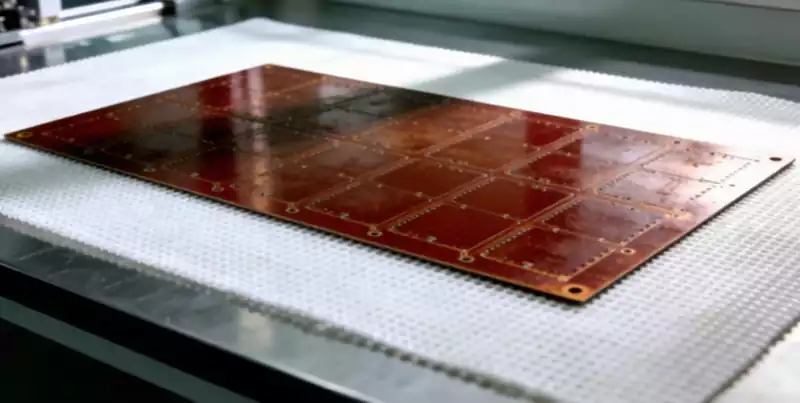
Aluminium-based PCBs use aluminium alloy as the substrate (commonly 1060 or 5052 grade aluminium), with a surface layer comprising an insulating layer (typically FR-4 epoxy resin or polyimide) and conductive copper foil; they are a type of metal-core PCB. Their structure comprises three layers: the bottom layer is the aluminium alloy substrate, the middle layer is the insulating thermally conductive layer, and the top layer is the conductive copper foil.
The insulating thermally conductive layer is critical, as it directly determines the thermal conductivity of the aluminium substrate; the typical thermal conductivity ranges from 1.0 to 5.0 W/(m·K), and different specifications can be selected according to thermal requirements. The overall thickness of aluminium-based PCBs typically ranges from 0.8 mm to 2.0 mm. The aluminium alloy substrate offers high rigidity whilst providing excellent heat dissipation, thereby overcoming the poor thermal conductivity of FR-4 PCBs, making it suitable for the installation and use of high-temperature heat-generating components.
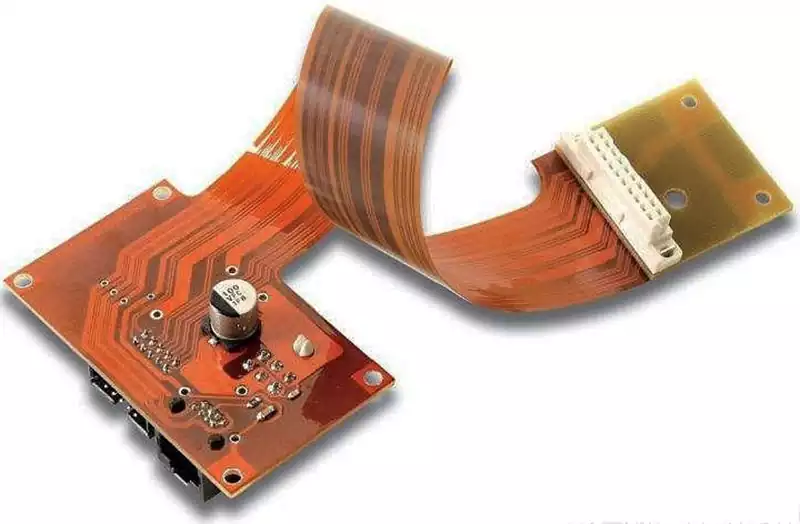
Flexible printed circuits (FPCs) utilise polyimide (PI) or liquid crystal polymer (LCP) as the flexible substrate, with the conductive layer made of ultra-thin copper foil (typically 0.5 oz to 1 oz in thickness). As they do not require a rigid substrate for support, they can be freely bent, folded and rolled. Their core characteristics are lightness, thinness and excellent flexibility; with substrate thicknesses ranging from just 0.1 mm to 0.3 mm, they can conform to curved surfaces and fit into narrow gaps, overcoming the spatial limitations of rigid PCBs.
Flexible printed circuit boards typically require the use of a stiffening board to provide additional rigid support at critical points such as interfaces and solder joints, thereby preventing circuit breaks during bending; Some flexible circuit boards can also be fitted with a shielding layer to enhance interference resistance, meeting the demands of high-frequency and miniaturised devices.
The Distinctive Advantages and Limitations of the Three Materials
Thermal conductivity is one of the key differences between the three. Thanks to the advantages of its aluminium alloy substrate, the aluminium substrate far exceeds FR-4 and flexible circuit boards in terms of thermal conductivity, with measured thermal conductivity coefficients ranging from 1.0 to 5.0 W/(m·K). with some high-thermal-conductivity aluminium substrates exceeding 8.0 W/(m·K).
This enables rapid dissipation of heat generated by electronic components, thereby reducing component temperatures and preventing performance degradation or damage caused by overheating. They are suitable for high-temperature, heat-generating applications such as LED lighting, power amplifiers and automotive electronics.
FR-4 circuit boards have poor thermal conductivity, with measured thermal conductivity coefficients of only 0.2 to 0.3 W/(m·K). Heat tends to accumulate, making them unsuitable for the installation of high-frequency, high-power devices; they are only suitable for conventional, low-heat-generating equipment. The thermal conductivity of flexible circuit boards lies between the two. Flexible circuit boards with a PI substrate have a thermal conductivity of approximately 0.3 to 0.5 W/(m·K), whilst those with an LCP substrate can reach around 0.8 W/(m·K), making them suitable for miniaturised, low-heat-generating flexible devices.
In terms of mechanical properties, both FR-4 and aluminium substrates are rigid PCBs, offering high mechanical strength and resistance to deformation or damage. FR-4 PCBs have moderate rigidity and are impact- and wear-resistant, making them suitable for fixed installations such as routers and industrial controllers; aluminium substrates are even more rigid, with aluminium alloy substrates offering excellent resistance to compression and bending, whilst also providing good heat dissipation, making them suitable for equipment in complex environments such as outdoor and industrial settings.
Flexible printed circuit boards, on the other hand, derive their core advantage from flexibility, allowing for 180° bending, rolling, or even folding. However, they have lower mechanical strength; repeated bending may lead to substrate ageing or circuit detachment. Reinforcement plate designs are required to enhance rigidity in critical areas, making them suitable for products requiring flexible installation, such as wearable devices and foldable smartphones.
In terms of insulation performance and high-frequency compatibility, FR-4 circuit boards offer excellent insulation properties, a stable dielectric constant and high insulation resistance. They are suitable for low-voltage and standard-frequency equipment, and due to their lower cost, they are currently the most widely used material.
The insulation performance of aluminium-based substrates depends on the quality of the intermediate insulating layer; a high-quality insulating layer can achieve good insulation results, but the overall insulation performance is slightly inferior to that of FR-4. They are suitable for high-voltage and high-temperature applications.
Among flexible circuit boards, LCP substrates offer the best high-frequency compatibility. With a low dielectric constant (approximately 3.4 to 3.5) and minimal signal transmission loss, they are suitable for high-frequency applications such as 5G and millimetre-wave technology; conversely, flexible circuit boards using PI substrates are better suited to medium and low-frequency applications, offering good insulation performance and outstanding flexibility.
Manufacturing Processes and Costs
The manufacturing process for FR-4 circuit boards is the most established, aligning with standard rigid PCB processes. It employs standardised procedures such as etching, solder mask application, screen printing and drilling, featuring a low technical barrier and high mass production efficiency. The core lies in optimising circuit layout and tuning impedance matching; by using a vector network analyser to ensure the standing wave ratio is less than 1.5, signal transmission efficiency is guaranteed.
Due to mature processes and ample raw material supply, FR-4 circuit boards have the lowest production costs, with mass production yields reaching over 98%. They are suitable for large-scale mass production, particularly in devices such as IoT sensors, routers and consumer electronics, where they effectively control product costs and enhance market competitiveness.
The manufacturing process for aluminium-based PCBs builds upon that of FR-4, incorporating specialised steps such as the lamination of aluminium alloy substrates and the pressing of insulating layers, which place higher demands on production equipment and technical expertise. The key challenge lies in achieving optimal adhesion between the insulating layer, the aluminium alloy substrate and the copper foil; this requires strict control of pressing temperature and pressure to prevent issues such as delamination or peeling.
Furthermore, the thermal dissipation performance of aluminium-based PCBs is closely linked to the thermal conductivity of the insulating layer. As high-thermal-conductivity insulating layers are more expensive to produce, the overall cost of aluminium-based PCBs is approximately 1.2 to 1.8 times that of FR-4 PCBs. With a mass production yield rate of around 95% to 97%, they are suitable for medium-volume production and products with specific thermal management requirements, such as LED modules and automotive electronic modules.
The manufacturing process for flexible printed circuit boards is the most complex. In addition to conventional etching and screen printing processes, special steps such as laminating flexible substrates, bonding reinforcement sheets, bending and forming, and laminating shielding layers are required, demanding extremely high production precision. For example, flexible circuit boards using LCP substrates require high-precision etching processes, with line width accuracy controlled within ±15 μm to ensure the stability of high-frequency signal transmission; the bending and forming process must strictly control the bending angle and force to prevent circuit breakage.
These complex processes result in the highest production costs for flexible circuit boards, approximately two to three times that of FR-4 circuit boards. Mass production efficiency is relatively low, with a yield rate of around 92% to 95%. However, they offer the greatest customisation potential, allowing for flexible design according to the shape of the device and spatial requirements. They are suitable for small-batch, personalised and miniaturised products, such as smartwatches, TWS earphones and foldable screen devices.
Application Scenarios
FR-4 circuit boards are the most widely used PCB material, with core applications centred on standard equipment characterised by low heat generation, fixed installation and large-scale mass production. For example, in the consumer electronics sector, this includes routers, set-top boxes and smartphone motherboards; in the industrial sector, industrial controllers, sensors and PLC modules; and in the home appliance sector, control boards for air conditioners and refrigerators.
These devices do not place high demands on thermal conductivity, but prioritise insulation and cost control; the cost-effectiveness and stable performance of FR-4 PCBs perfectly meet these requirements. Furthermore, FR-4 circuit boards can also be used in standard control modules for medical equipment and motherboards for office equipment, with applications spanning a wide range of industries.
The core applications of aluminium-based circuit boards are concentrated in high-temperature, heat-generating equipment with specific heat dissipation requirements. They are particularly widespread in the LED lighting sector, such as LED street lights, LED panel lights and LED modules. Aluminium-based circuit boards can rapidly dissipate the heat generated by LED chips, thereby extending the service life of the LEDs and enhancing lighting performance.
Furthermore, aluminium substrates are frequently employed in power modules and engine control units within the automotive electronics sector, power amplifiers and frequency converters in the industrial sector, and charging station control boards in the new energy sector. Relying on their excellent thermal conductivity and rigidity, they ensure the stable operation of equipment in high-temperature and complex environments.
The core applications of flexible printed circuits are concentrated in devices that require miniaturisation, customisation, and installation in confined spaces, as well as those requiring bending or curved surface mounting. The consumer electronics sector represents a key application area, including foldable smartphones, smartwatches, TWS earphones and smart wristbands.
Flexible printed circuit boards can conform to the curved surfaces of devices, maximising internal space utilisation whilst meeting high-frequency signal transmission requirements. For instance, in the hinge area of a foldable smartphone, flexible circuit boards enable 180° bending without dead zones, accommodating the folding design; in the strap section of smartwatches, where they can be embedded to achieve seamless signal coverage.
Furthermore, medical wearables (such as ECG patches), flexible connection modules in automotive electronics, and AGV navigation modules in Industry 4.0 frequently utilise flexible printed circuit boards, leveraging their flexibility to adapt to complex installation environments.
There is no absolute superiority or inferiority among the three PCB materials—FR-4, aluminium substrates and flexible circuit boards—the key lies in their practical suitability for the product’s requirements. Whether for mass-produced products seeking high cost-effectiveness, industrial and automotive electronics requiring superior heat dissipation, or consumer electronics demanding miniaturisation and flexibility, suitable PCB material solutions can be found.