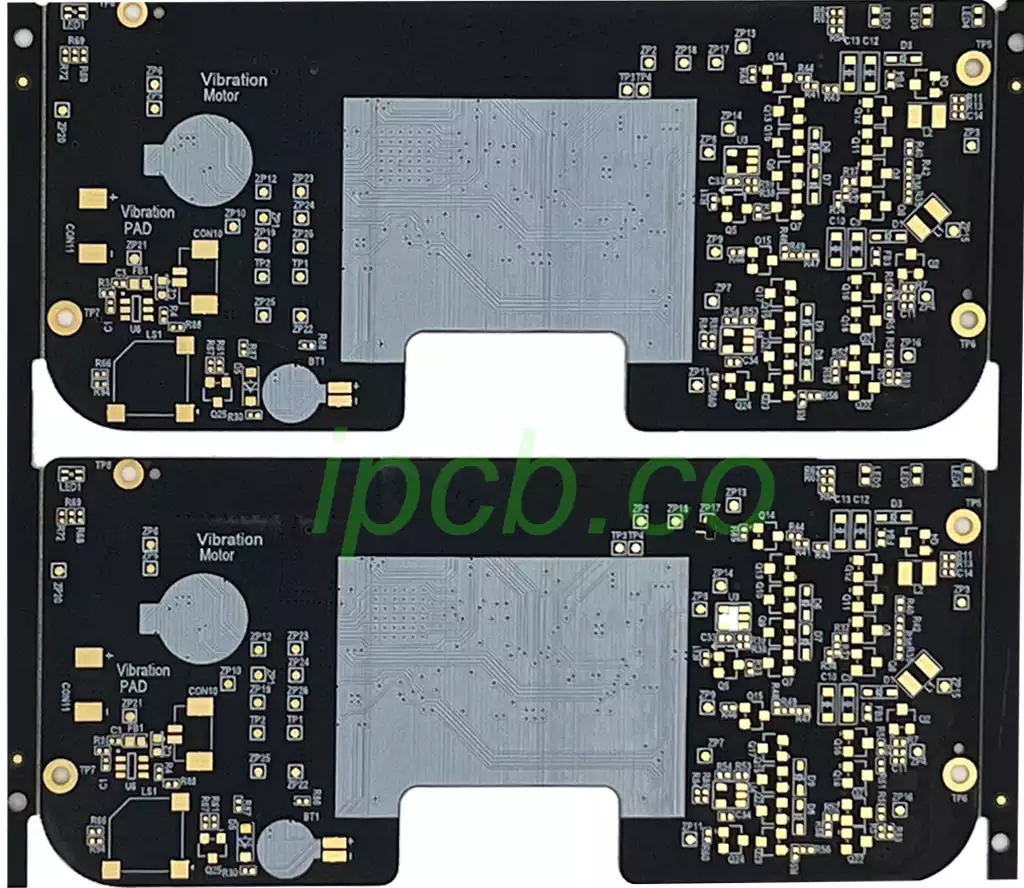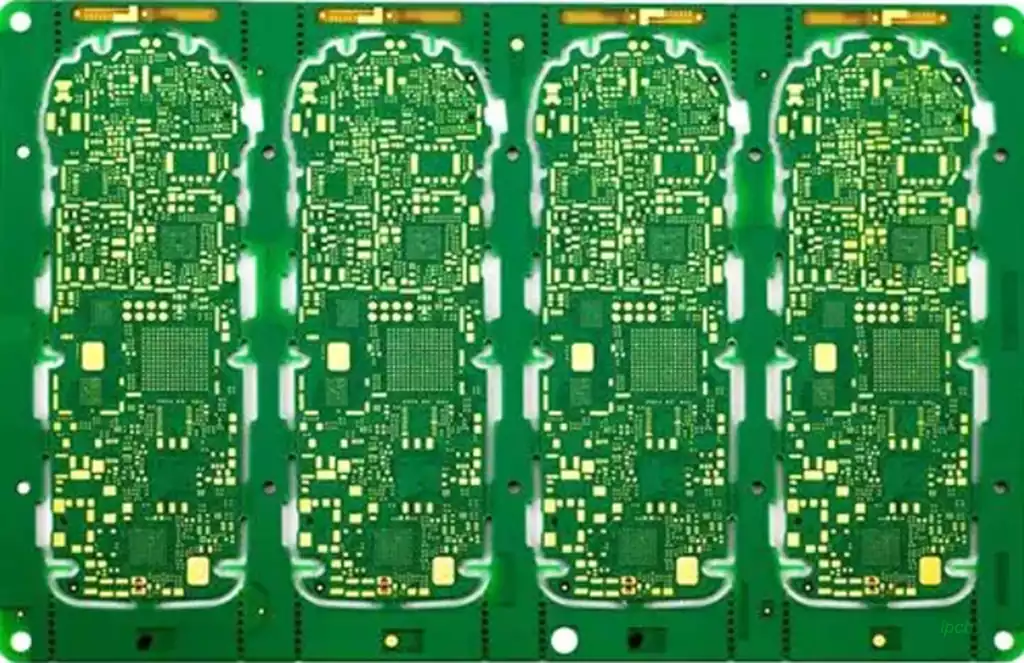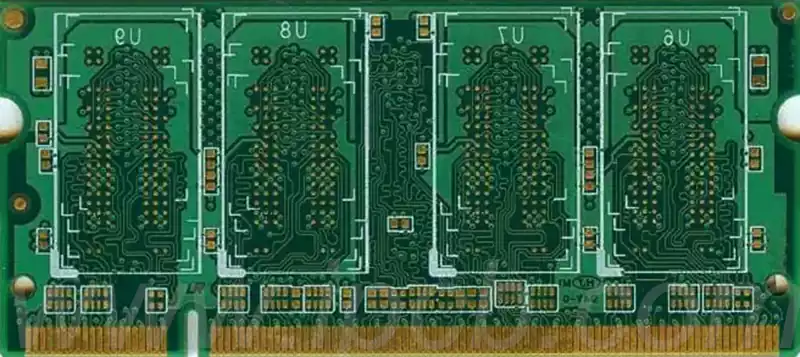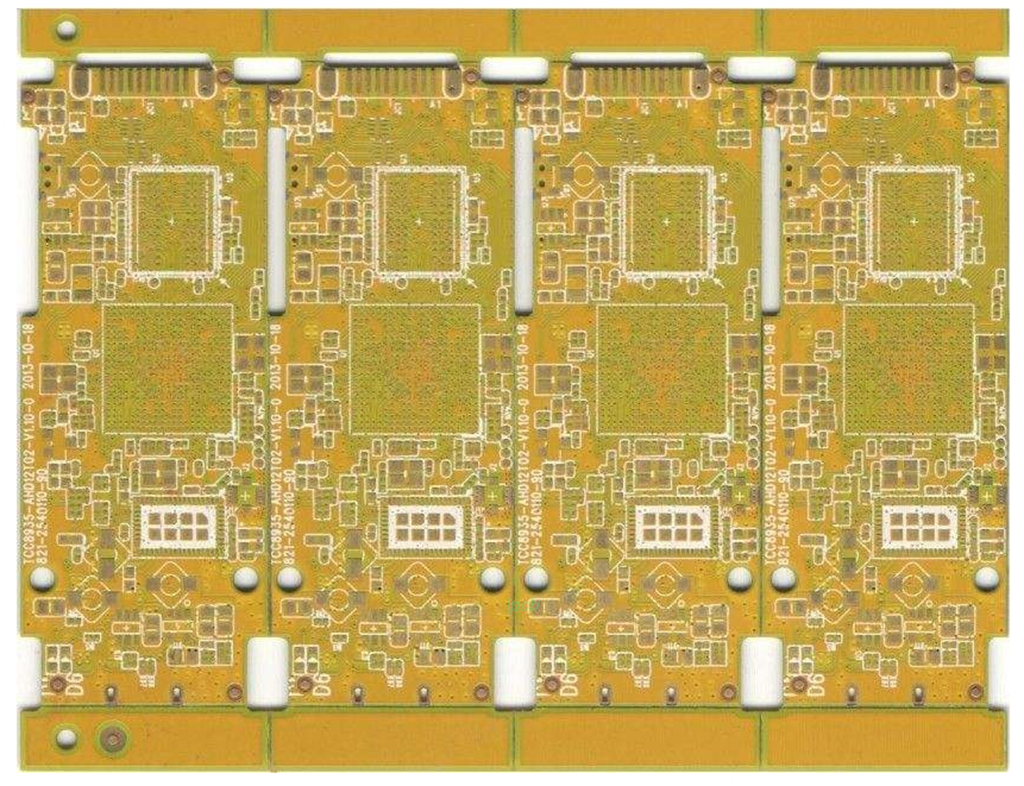
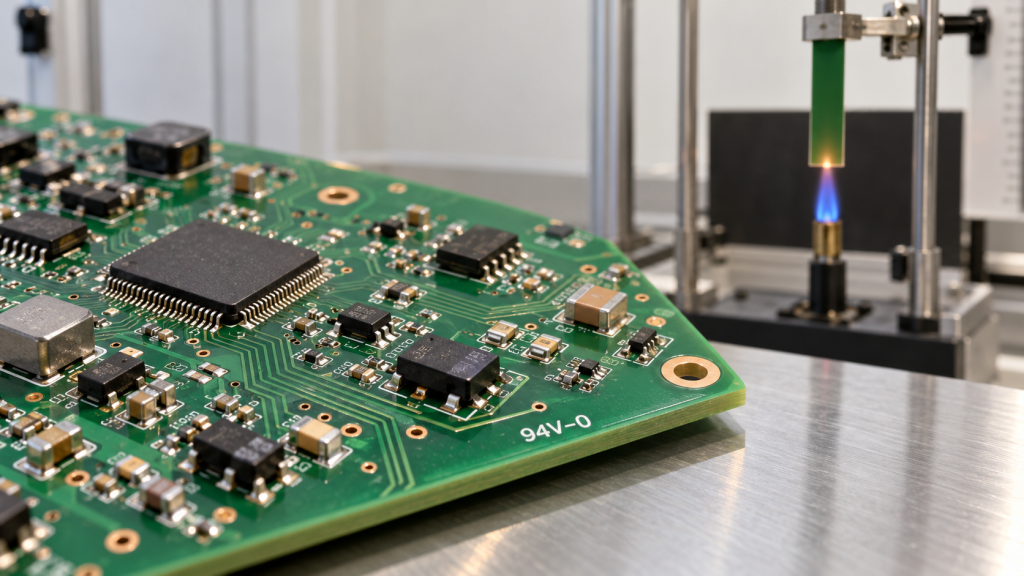
A 94v-0 circuit board is a PCB whose recognized construction meets the V-0 flammability classification associated with UL 94 testing. The marking relates to how the board material behaves after exposure to a controlled flame. It does not identify the circuit design, layer count or electrical performance. The 94v-0 circuit board marking is frequently misunderstood as a model number or a general quality grade. In reality, V-0 addresses one specific safety characteristic: the ability of the tested material or board construction to stop burning within defined limits without producing flaming droplets that ignite the cotton indicator below the specimen.
What the 94V-0 Marking Means
UL 94 classifies the burning characteristics of polymeric materials under controlled laboratory conditions. The V classifications use vertically positioned specimens, which is why the letter V appears in the rating. For a 94v-0 circuit board, the insulating laminate and recognized board construction must satisfy the applicable vertical burning criteria. Under UL’s published V-0 criteria, each specimen must stop burning within 10 seconds after each flame application. The combined burning time is also limited, and flaming particles must not ignite the cotton indicator below the specimen. V-0 is more restrictive than V-1 and V-2 under the same vertical test family. V-2 permits flaming droplets that ignite the cotton indicator, while V-0 does not. The rating does not mean that the PCB cannot burn under any condition. A 94v-0 circuit board can still be damaged by excessive heat, sustained flame, electrical arcing or an overheated component. UL 94 is a small-scale standardized test, not a prediction that the complete electronic product is fireproof.
Why PCB Laminate Thickness Matters
Flammability performance depends on the complete material system and the thickness at which it was evaluated. A laminate recognized as V-0 at one thickness should not automatically be assumed to have the same rating at a thinner construction. When specifying a 94v-0 circuit board, the buyer should confirm that the laminate family, minimum recognized thickness and finished PCB construction fall within the manufacturer’s UL recognition. This is particularly important for thin PCBs, multilayer boards and products using specialized build-up materials. Copper coverage, solder mask and the combination of dielectric materials may also influence the recognized construction. A material datasheet showing V-0 is useful, but it does not replace verification of the finished-board manufacturer and the exact parameters listed in the applicable UL file.
Is Every FR-4 Board Rated 94V-0
FR-4 describes a family of flame-retardant glass-reinforced epoxy laminates. It does not by itself identify the manufacturer, exact resin system, recognized thickness or UL file. Many commercial FR-4 materials are available with a V-0 classification, but “FR-4” and “94V-0” should not be treated as interchangeable purchasing terms. A 94v-0 circuit board should be produced with materials and processes covered by the supplier’s recognition rather than selected only because the quotation mentions FR-4. This distinction becomes important when an unapproved substitute material is introduced. Two laminates may have similar glass transition temperature and electrical properties while carrying different flammability recognition or thickness limitations.
What the Rating Does Not Prove
The 94v-0 circuit board rating does not confirm that the PCB has good solder joints, correct copper thickness or reliable plated through-holes. It also does not establish maximum current, controlled impedance, thermal conductivity or long-term operating temperature. Those properties require separate material data, fabrication specifications and inspection criteria. For example, the maximum operating temperature listed for a recognized PCB construction is a different parameter from its V-0 flame classification. A board carrying 94V-0 may therefore still fail electrically or mechanically if its drilling, plating, lamination or assembly process is poorly controlled. The marking should be treated as evidence for a defined flammability requirement, not as a universal quality certificate.
How to Verify the Marking
A typical PCB may show a UL recognition symbol, manufacturer identification, UL file number, flammability designation and production code. The exact marking arrangement varies according to the approved marking system and available board space. To verify a 94v-0 circuit board, the UL file number or manufacturer identity should be checked against UL Product iQ. The recognition record can show the permitted board type, flame class, minimum thickness, soldering limits and other evaluated parameters. A printed “94V-0” marking alone is not enough to demonstrate traceability. Without a valid manufacturer reference, buyers cannot confirm which construction was evaluated or whether the finished board falls within its limits.
Purchasing Requirements Should Be Specific
A PCB purchase specification should state that the finished board must meet the required flammability classification and be manufactured within the supplier’s recognized construction. For a 94v-0 circuit board, the documentation should identify the required board thickness, base material, soldering process and marking requirements. If regulatory compliance is important, the supplier’s UL file information should be reviewed before production rather than requested only after shipment. Material substitutions should require approval. Replacing a laminate with a cheaper product can affect flammability recognition even when the new material appears electrically similar.
Manufacturing Control Still Determines Reliability
Flame-rated material must still survive lamination, drilling, plating, solder-mask curing and assembly temperatures without losing the properties required by the product. A reliable 94v-0 circuit board therefore depends on both recognized materials and controlled PCB manufacturing. Incoming material traceability, press-cycle records, finished thickness and approved solder-processing limits help connect the delivered board to its specified construction. For projects requiring traceable flame-retardant PCBs, iPCB can review the laminate specification, finished thickness, manufacturer recognition and production marking before fabrication.
The Marking Has a Specific Purpose
The value of the 94v-0 circuit board designation is that it provides evidence of controlled burning behavior under a defined test method. It helps product designers meet flammability requirements and select a PCB construction appropriate for the end product. It should not be interpreted as proof of every other PCB characteristic. A properly specified 94v-0 circuit board combines verified flammability recognition with suitable electrical design, dependable fabrication and complete material traceability.