The final quotation for a multilayer PCB assembly (PCBA) project is never determined by a single manufacturing process. Instead, it is calculated based on a comprehensive evaluation of multiple factors, including PCB construction, material selection, manufacturing processes, assembly complexity, component sourcing, testing requirements, production volume, and delivery schedule. Cost overruns and inaccurate quotations are often the result of failing to identify the major cost drivers during the early stages of product development. Understanding the primary factors that influence multilayer PCB assembly costs provides a solid foundation for product design optimization, cost control, and accurate project estimation.
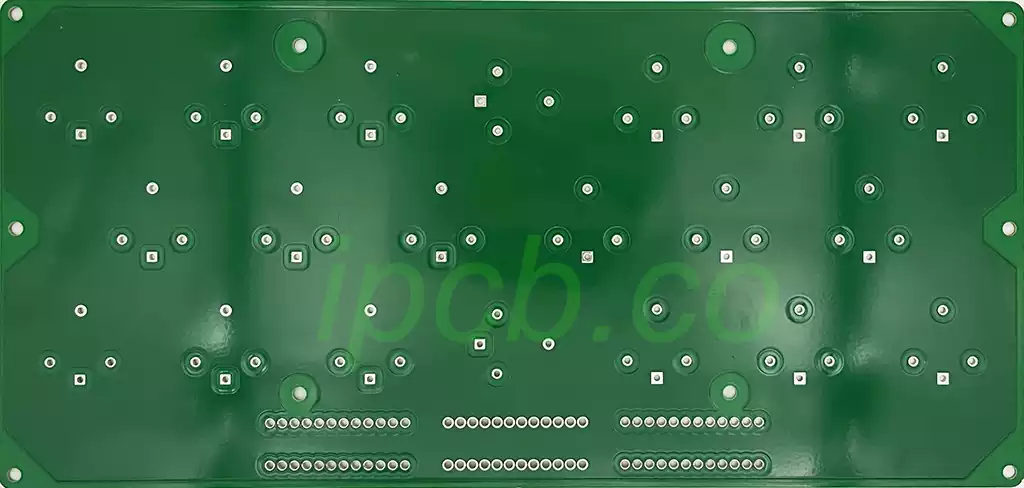
The number of PCB layers and the physical dimensions of the pcb board are the most fundamental factors influencing manufacturing costs. The complexity of fabrication, material consumption, and production time all increase with additional layers and larger board sizes. As a general industry rule, the greater the layer count and the larger the PCB dimensions, the higher the overall manufacturing cost.
According to the IPC-2221 general standard for printed circuit board design, multilayer PCBs should balance routing density with manufacturability. Poor structural design, excessive routing density, or improperly designed via structures not only increase manufacturing complexity but also reduce production yield, ultimately driving up the overall manufacturing cost.
The choice of PCB substrate is another major factor that creates significant cost differences between products. Different materials vary substantially in raw material prices and manufacturing requirements. Standard FR-4 glass fiber laminate remains the most widely used substrate for consumer electronics and general industrial equipment because of its mature manufacturing process, abundant supply chain, and excellent cost-performance ratio.
However, products designed for demanding applications such as high-frequency communications, high-temperature environments, military electronics, medical equipment, automotive systems, and other high-reliability applications often require specialized materials beyond conventional FR-4. These may include Rogers high-frequency laminates, ceramic substrates, aluminum-based PCBs, or high-Tg laminates. Such premium materials are considerably more expensive than standard FR-4, and they require specialized fabrication processes that cannot be fully integrated into conventional PCB production lines. Consequently, both material costs and manufacturing expenses increase substantially.
Beyond material selection, customized board specifications also contribute to higher production costs. Heavy copper PCBs with copper thicknesses of 2 oz or greater, controlled-impedance boards, extra-thick or ultra-thin PCB constructions, and other specialized designs require more expensive base materials as well as dedicated lamination, etching, and inspection processes, all of which increase manufacturing expenses.
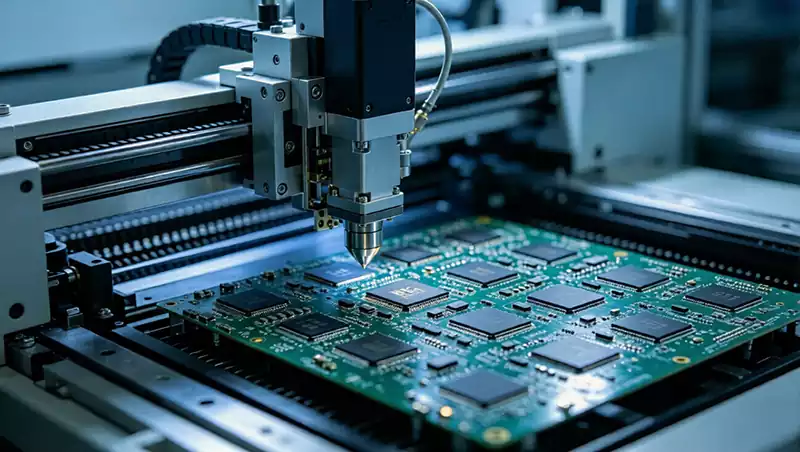
The complexity of SMT and DIP assembly is another critical variable affecting PCBA costs. Surface-mount assembly and through-hole insertion directly determine equipment investment, labor requirements, and inspection costs. Standardized component placement can be performed efficiently using automated assembly equipment at relatively low cost. In contrast, high-density layouts, fine-pitch devices, and irregular component packages significantly increase manufacturing complexity.
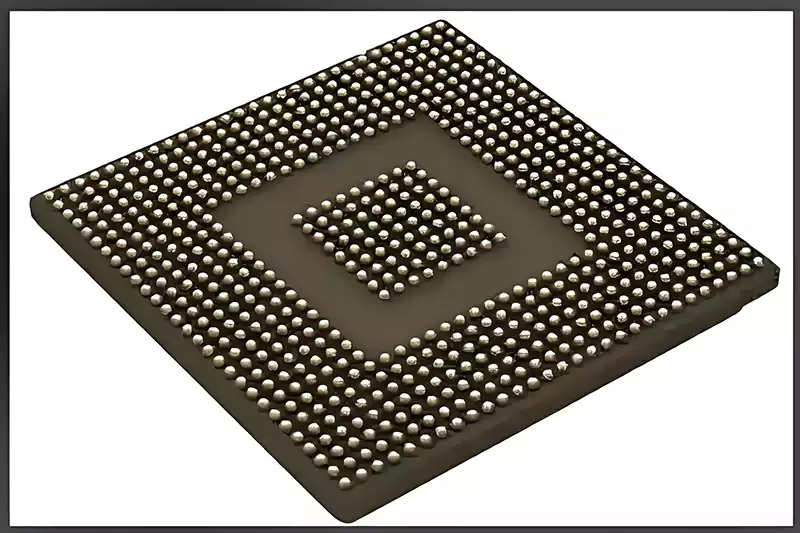
Modern electronic products frequently utilize bottom-terminated packages such as BGA, QFN, and LGA devices. Since the solder joints of these packages are hidden beneath the component body, conventional optical inspection cannot adequately verify solder quality. High-precision placement equipment is required during assembly, followed by X-ray inspection to evaluate solder joint integrity. Both equipment investment and inspection time are therefore substantially higher. Likewise, densely populated boards with extremely fine-pitch components or numerous irregular packages often require advanced placement systems from manufacturers such as JUKI or Yamaha, resulting in higher equipment operating and maintenance costs.
Products incorporating through-hole components introduce additional manufacturing expenses because fully automated production is generally not feasible. Manual component insertion, wave soldering, and manual touch-up soldering require considerable labor and extend production time. Compared with fully surface-mounted assemblies, mixed-technology boards involving DIP processes inevitably incur higher labor and manufacturing costs. Overall, the greater the assembly complexity and precision requirements, the higher the processing cost per PCB.
For most companies adopting turnkey PCB assembly manufacturing services, electronic component procurement accounts for the largest proportion of the total product cost and represents the most important aspect of cost control. Component pricing is highly dynamic and is influenced by brand selection, market supply and demand, and product availability.
Even passive components with identical specifications, such as resistors, capacitors, and inductors, can differ significantly in price depending on whether they are sourced from internationally recognized manufacturers or domestic suppliers. Active components and integrated circuits from leading brands such as Texas Instruments, STMicroelectronics, and Murata generally offer superior reliability, precision, and electromagnetic compatibility but are considerably more expensive than equivalent domestic alternatives. In addition, essential microcontrollers and specialized integrated circuits are particularly susceptible to market shortages, during which prices may increase dramatically and exceed original budget estimates.
For this reason, manufacturers are encouraged to work closely with their PCB assembly suppliers during the product development stage to evaluate cost-effective alternative components and optimize the bill of materials (BOM). Careful component selection not only reduces production costs but also minimizes supply chain risks associated with component shortages and price fluctuations.
In addition to manufacturing and material expenses, custom production tooling represents another important cost that is often overlooked. Stencils, test fixtures, and specialized production tooling all contribute to project costs, particularly during prototype development and low-volume production.
Every SMT assembly project requires a dedicated solder paste stencil to ensure accurate solder paste deposition and consistent soldering quality. Standard laser-cut stainless steel stencils are inexpensive and widely available. However, products utilizing ultra-fine-pitch components or high-density layouts often require stepped stencils or nano-coated precision stencils. These advanced stencils involve more sophisticated manufacturing processes and significantly higher production costs.
Likewise, many electronic products require custom testing fixtures for ICT (In-Circuit Testing) and FCT (Functional Circuit Testing). The cost of these fixtures depends entirely on circuit complexity, the number of test points, and functional testing requirements, ranging from several hundred to several thousand dollars. Since these tooling expenses are typically one-time investments, they account for a much larger proportion of total costs during prototype production and should always be included in project budgeting.
Quality assurance is the final critical stage of PCBA manufacturing, and the scope of testing directly affects production costs. Different industries require different quality standards, resulting in significant variations in inspection expenses.
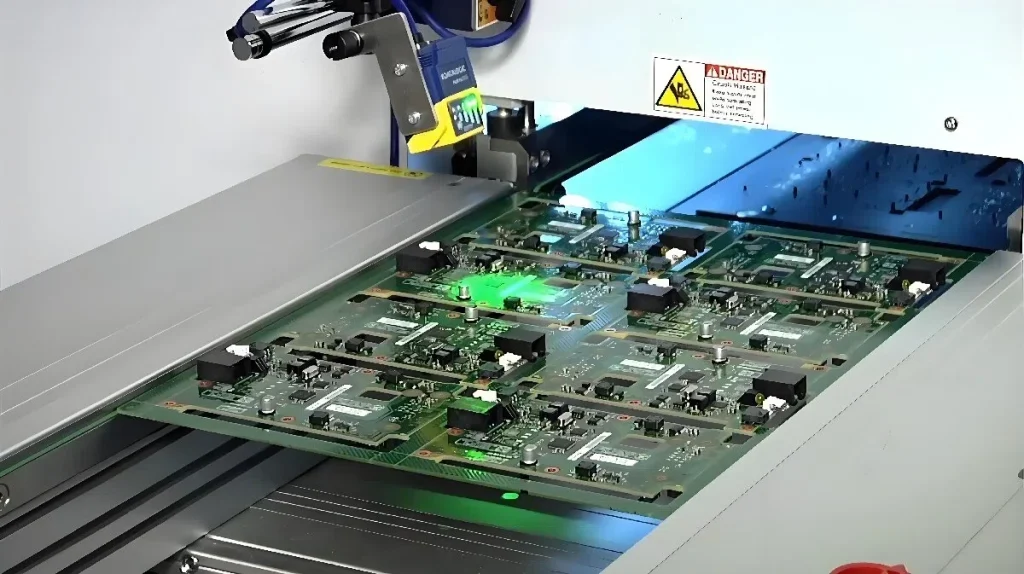
Standard consumer electronics generally require only visual inspection and AOI (Automated Optical Inspection) to identify common assembly defects such as insufficient solder, solder bridges, missing components, and placement errors. These inspection procedures are relatively straightforward and cost-effective.
Products requiring higher reliability demand much more comprehensive testing procedures, including ICT, FCT, extended burn-in testing, and other specialized verification methods. Although these additional tests significantly improve product quality and reduce field failures, they also increase equipment utilization, labor requirements, and energy consumption.
Industries such as medical devices, military electronics, automotive systems, and industrial control equipment impose particularly stringent quality standards. These applications require more extensive testing, longer qualification procedures, and complete product traceability systems, making quality assurance costs substantially higher than those for standard consumer electronics.
Production volume and delivery schedules also play a major role in determining unit manufacturing costs. Regardless of production quantity, setup operations such as machine programming, equipment calibration, fixture preparation, and firmware loading involve fixed costs. As production volume increases, these fixed expenses are distributed across more circuit boards, reducing the unit manufacturing cost. Conversely, prototype runs and low-volume orders inevitably carry much higher unit prices.
Delivery schedules also influence production costs. Under normal lead times, manufacturers can schedule production efficiently within standard manufacturing workflows. However, expedited orders requiring delivery within exceptionally short timeframes—such as 72-hour turnaround or overnight production—require production rescheduling, equipment prioritization, and overtime labor. These measures inevitably generate additional manufacturing costs.
Compared with standard production schedules, expedited prototype services typically increase overall manufacturing costs by 20% to 50%, making delivery urgency an important consideration during project budgeting.
Cost management for multilayer PCB assembly is a comprehensive engineering task that requires balancing performance, quality, manufacturability, and budget. By thoroughly understanding the primary cost drivers that influence multilayer PCB assembly production, engineers and manufacturers can optimize product designs, eliminate unnecessary expenses, and achieve the best possible balance between product performance, manufacturing efficiency, and overall cost-effectiveness.