
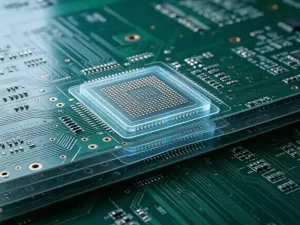
Why Multilayer PCBs Are Essential for High Speed Circuit Design
As the number of chip I/O pins increases dramatically, conventional single layer and double layer PCBs no longer provide sufficient routing space to fan out the inner rows of BGA
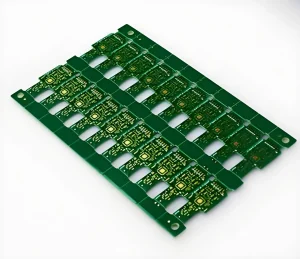
Impedance Control and Layout Optimization Strategies for 2 Layer PCB Board
In modern electronic engineering manufacturing systems, 2 layer PCB board still hold a significant market share due to their high production cost-effectiveness, fast delivery cycles, and mature process chains. From
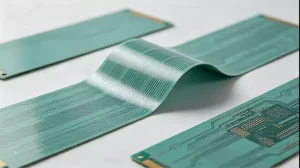
Why HASL Is Not Suitable for Flexible PCBs
Flexible pcbs (FPCs) have become indispensable in modern electronics thanks to their lightweight construction, ultra-thin profile, and excellent flexibility. They are widely used in smartphones, smartwatches, wearable devices, action cameras,
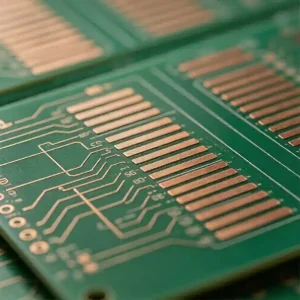
PCB Etching Process and Key Process Control Requirements
PCB etching is the core process for PCB circuit pattern formation and one of the most critical manufacturing technologies used in printed circuit board fabrication. By selectively removing unwanted copper,
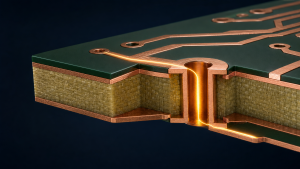
The Hidden Interconnection Physics of a Double Sided Copper Clad PCB Board
A cutaway view of a double sided copper clad PCB board, showing the copper layers, FR-4 core and plated through-hole interconnection. A double sided copper clad PCB board may appear
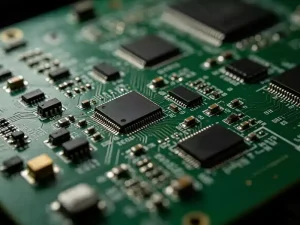
PCB Schematic and PCB Layout Design Guide
For beginners learning about PCBs, one of the most common sources of confusion is the difference between a PCB schematic and a PCB layout file. Although these two files are
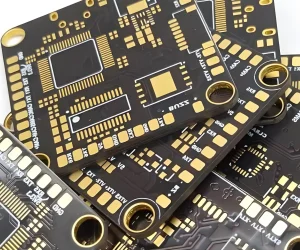
Optimizing Mounting Holes PCB for Stress, EMC, and Manufacturing
In the hardware design and mechanical engineering of printed circuit boards (PCBs), mounting pcb holes, seemingly just ordinary round holes on the board, are crucial hubs connecting the electrical and
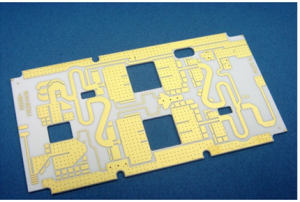
Why Ceramic Substrate Thickness Matters in Industrial Applications
In industrial applications, ceramic substrates are not limited to electronic packaging structures—they are also widely used as insulation and mechanical support components. Therefore, substrate thickness is not a parameter that
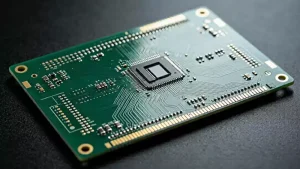
Rogers 3003 PCB Material for High Frequency and High Speed Applications
Rogers 3003 is a premium high-frequency PCB laminate developed by Rogers Corporation specifically for demanding RF, microwave, and high-speed digital applications. It has become one of the industry’s preferred substrate
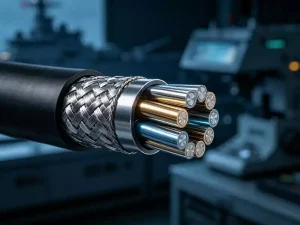
RF Cable Comparison Coaxial Twinaxial and Triaxial Cables
In the selection process of RF cables and connectors, choosing the appropriate cable type is the first and most critical step. In RF transmission systems, the three most commonly used
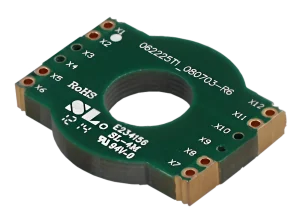
Optimizing Layout and Electromagnetic Performance in High Current Circuit Board
In high-power industrial power supplies, new energy vehicle powertrains, server power modules, and motor drive control systems, high current circuit boards play a crucial and unique role. Traditional circuit boards
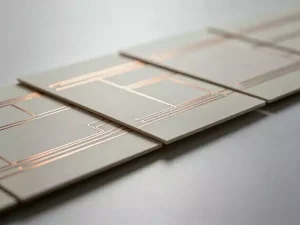
Rogers High Frequency Laminates Performance Applications and Selection Guide
Rogers high frequency laminates are recognized as one of the industry benchmarks for high-performance materials used in RF, microwave, and millimeter-wave circuit design. Unlike conventional FR-4 laminates, Rogers materials deliver
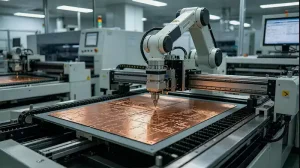
Characteristic Impedance in High Speed PCB Design
Characteristic impedance is one of the most critical parameters in high-speed PCB design. It refers to the dynamic opposition encountered by high-frequency electrical signals as they propagate through PCB transmission
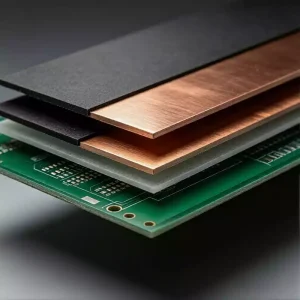
4 Layer PCB Structure and Applications
As the most widely used entry-level multilayer PCB, the 4 layer PCB provides an ideal balance between electrical performance, routing flexibility, manufacturing complexity, and production cost. Today, it is extensively
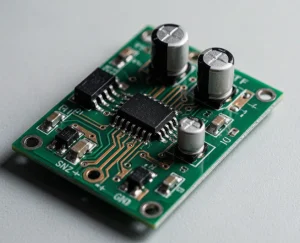
Optimizing Thermal and Grounding in pcb board amplifier
Heat Sink Design and Microscopic Electroplated Windows in PCB Board Amplifiers Power amplifiers inevitably experience significant heat loss during the conversion of DC power into AC signals. Whether it’s the
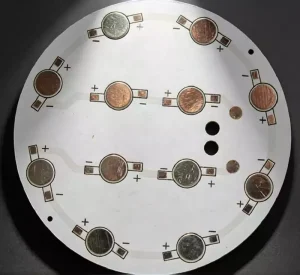
What Is an Aluminum Base PCB?
An Aluminum Base PCB is a specialized metal core printed circuit board (MCPCB) that uses an aluminum alloy substrate as its core material instead of conventional FR-4 glass fiber laminate.
High Frequency PCB vs High Speed PCB Differences Explained
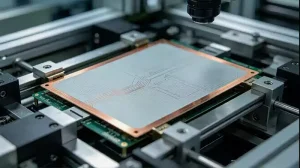
High frequency PCBs and high speed PCBs are often confused because both are used in advanced electronic applications. However, they are designed for different signal types and require different materials,
Why Flexible PCBs Are Ideal for High-Frequency Applications
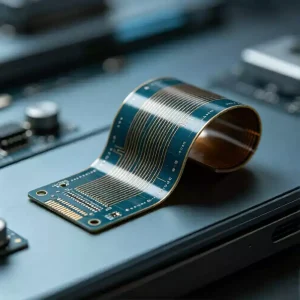
Flexible PCB technology has become increasingly important as modern electronic devices continue to evolve toward higher frequencies, faster data transmission, and more compact designs. Compared with conventional rigid PCBs, flexible
Stacked Microvia Reliability in electronic pcb board
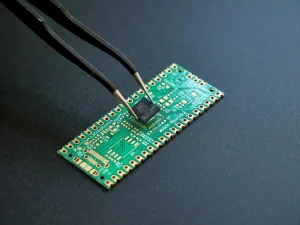
Deciphering the Electromagnetic Behavior of Electronic PCB Board Substrates The electrical performance of a printed circuit board (PCB) primarily depends on its core physical interlayer—the copper-clad laminate (CCL). Under high-frequency,
RF Front End Architecture Components and Key Technologies
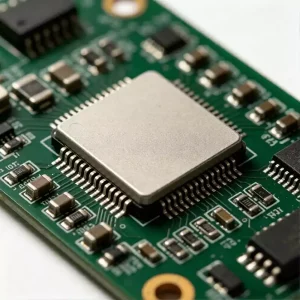
The RF front end (RFFE) consists of a series of components located between the RF transceiver and the antenna. Its primary building blocks include the power amplifier (PA), RF switch,
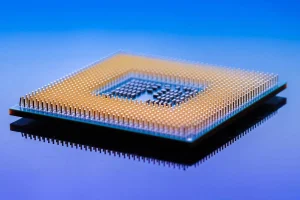
Underfill Flow Dynamics in flip chip mounting
Unveiling the Microscopic Geometry and Interconnect Physics of Flip Chips Traditional wire bonding uses gold or copper wires to connect the electrodes on the front of the chip to the
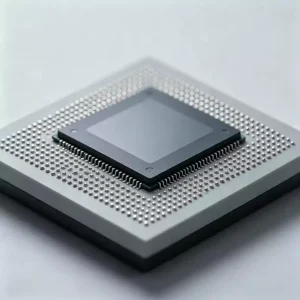
Flip Chip Packaging Process and Copper Pillar Bump Technology
Flip Chip (FC), also known as flip chip packaging, is one of the most widely used advanced semiconductor packaging technologies in the industry. Unlike conventional wire bonding, Flip Chip technology
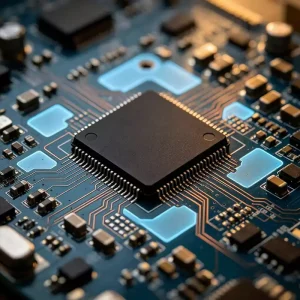
How a Hard Disk PCB Board Works
The hard disk pcb board is the core hardware that connects a hard drive to the computer’s motherboard and enables data communication between the two. It serves as the central
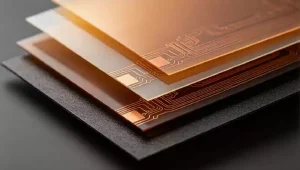
How FPCs Differ from Rigid PCBs
Flexible printed circuit boards (FPCs), also known as flexible PCBs, are an important category of printed circuit boards. However, they differ fundamentally from conventional rigid PCBs in terms of materials,