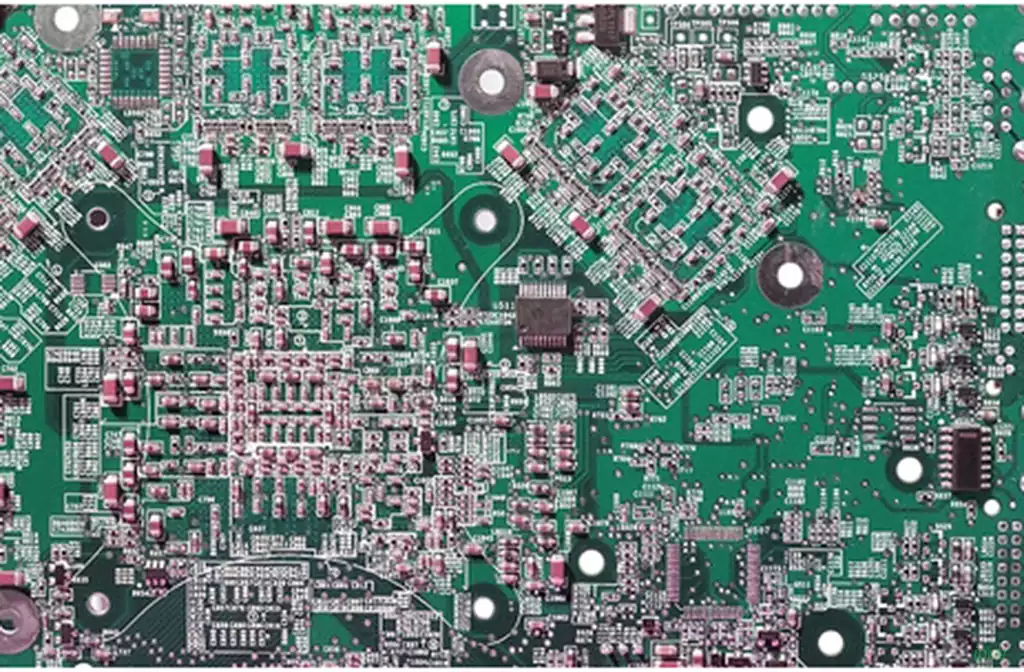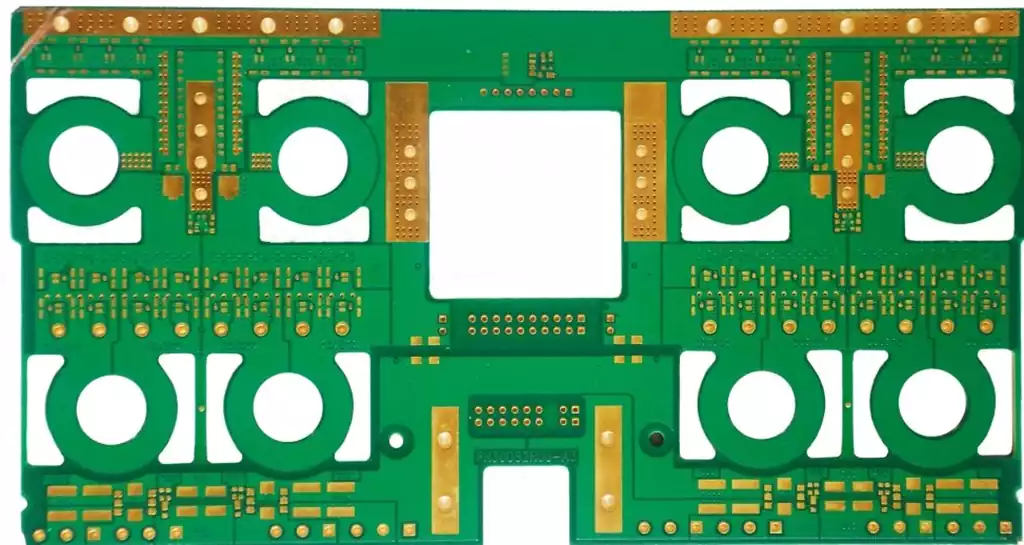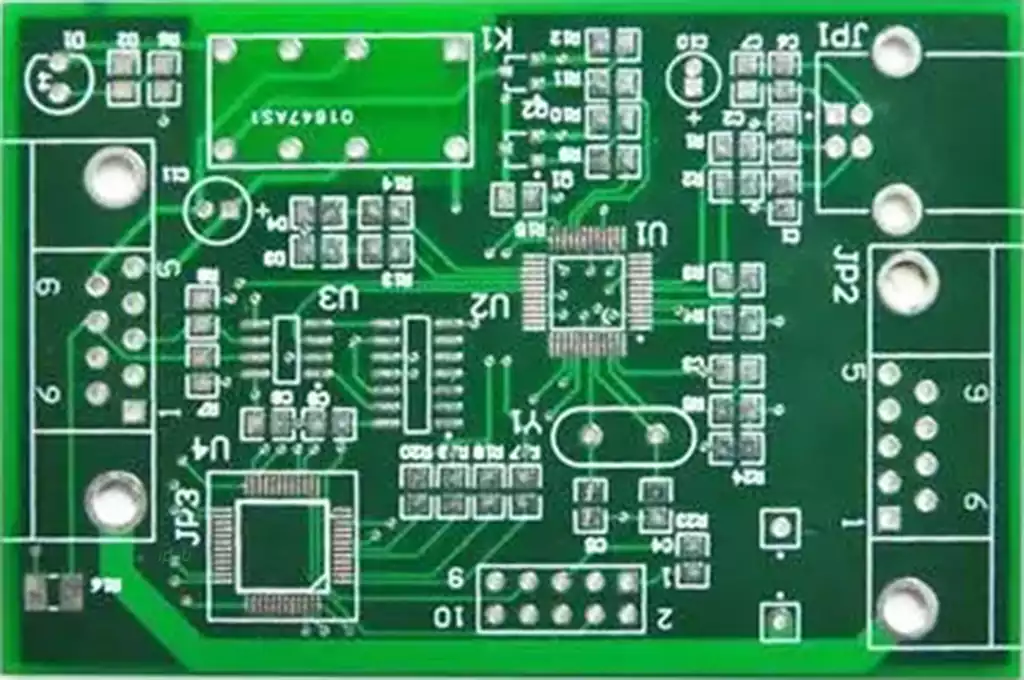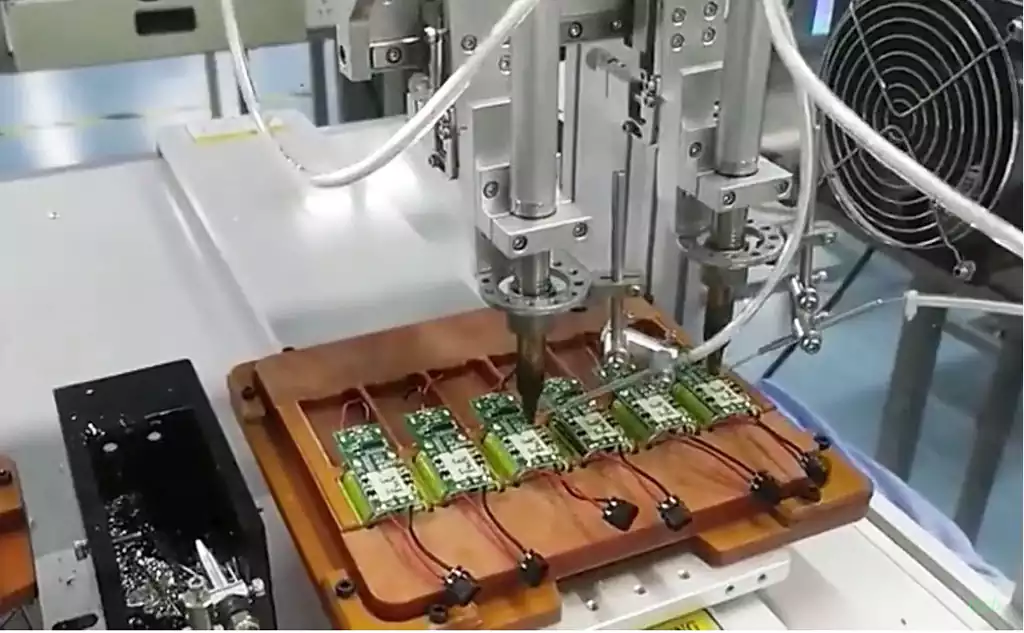
The key difference between leaded solder and lead free solder processes lies in the lead content of the solder. According to the EU RoHS Directive, lead content must be below 1,000 ppm (parts per million) to be considered compliant; Japanese standards are even stricter, requiring a level below 500 ppm. Lead-free solders typically consist mainly of tin, silver or copper, and processes using such solders are referred to as lead-free processes. In China, lead-free solder is defined as: a general term for soft solders in which tin is the base element and the lead content does not exceed 0.07% (by mass).
As international environmental requirements continue to rise, lead free solder processes are gradually becoming the mainstream approach in electronics manufacturing. Against this backdrop, it is particularly important to correctly understand the respective advantages and disadvantages of leaded and lead free processes, and to select the appropriate production process by comprehensively considering both production costs and environmental requirements.
Advantages of leaded soldering processes
More reliable connections: Leaded solder provides excellent electrical conductivity between various metals, such as a strong bond between copper and nickel-plated steel.
Ease of use: No additional flux or cleaning agents are required prior to application; the solder paste is simply applied to the surfaces to be joined. Upon heating and melting, the solder flows into the gaps and forms a permanent bond upon cooling.
Good wettability: Excellent flowability allows it to penetrate small holes and narrow spaces, enabling rapid establishment of electrical connections between components and the PCB.
Lower melting point: Approximately 183°C, which is lower than the 217°C of lead-free solder.
Lower cost: Leaded solder costs approximately one-third of the price of lead-free solder, and the process involves fewer steps, saving both time and money.
Disadvantages of leaded soldering processes
Poor environmental performance: Heating generates toxic gases such as hydrogen cyanide and carbon monoxide, requiring a well-ventilated system; otherwise, it poses a health hazard.
Poor heat dissipation: Due to its high thermal resistance, heat generated during soldering is not easily dissipated, which can lead to overheating and damage to surrounding electronic components.
High fire risk: Flammability increases significantly when exposed to air, so extra care must be taken during operation.
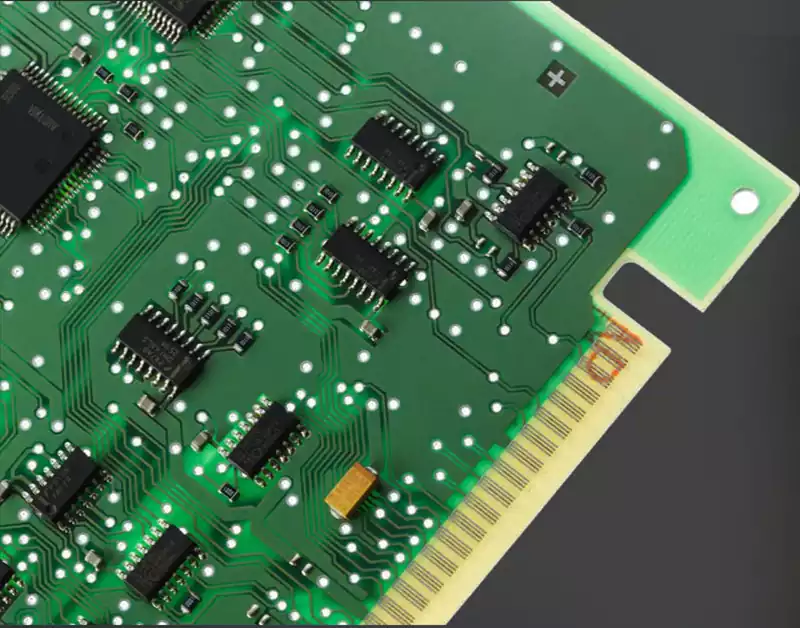
Advantages of Lead free soldering
Health and environmental benefits: Non-toxic; no harmful gases are produced during heating, eliminating the need for exhaust gas treatment; extremely low lead content poses no significant risk to human health.
Safer for PCBs: Compared to leaded solder, it is less likely to cause burn-through incidents, reducing the risk of PCB damage.
Suitable for PCB soldering: It does not spread easily during the reflow process, forming more robust solder joints and preventing issues such as PCB wear.
Compliant with RoHS standards: Meets the environmental compliance requirements of the electronics industry.
Good compatibility: It can replace leaded processes relatively smoothly, and most PCB manufacturers can convert easily.
Disadvantages of Lead free soldering processes
More complex operation: Slightly more difficult to handle, often requiring the use of flux and cleaning agents.
Higher melting point: Higher melting temperatures accelerate solder oxidation, which may cause stress on components, particularly affecting encapsulated or electrolytic capacitors; devices with low dielectric constants are prone to failure.
Higher cost: Lead costs approximately one-tenth of the price of tin, and some lead-free solders contain the precious metal silver, further driving up costs.
Poor wettability: Flow properties are inferior to those of leaded solder, and wetting is slower.
Prone to deposits: Surface oxides, flux impurities and alloy deposits may affect component performance, requiring regular cleaning.
Solder whisker issues: High tin content can lead to the growth of solder whiskers (conductive filaments several millimetres long) between adjacent pins, causing short circuits and system failures.
Metal dendrites: These tree-like crystal structures form as the solder solidifies and can also cause failures.
Conductive anode filaments: A phenomenon caused by electrochemical reactions; along with solder whiskers and dendrites, these are major causes of PCB failure.
Tin defects (tin-related issues): Although relatively rare, these may pose reliability risks.
Application Scenarios
Lead free soldering process: Primarily suitable for products with explicit environmental requirements, such as export orders, the defence sector, and domestic procurement projects requiring compliance with environmental standards. Furthermore, as lead-free solder has a higher temperature tolerance, PCBs using this process are also suitable for high-temperature operating environments.
Leaded Soldering Process: This remains the most widely used process. Owing to its advantages of high reliability and low cost, it is commonly employed in consumer electronics and high-end electronic equipment with stringent reliability requirements.
Both leaded solder and lead free solder processes have their respective advantages and disadvantages; when making a practical choice, a balance must be struck between environmental compliance, performance requirements and production costs.