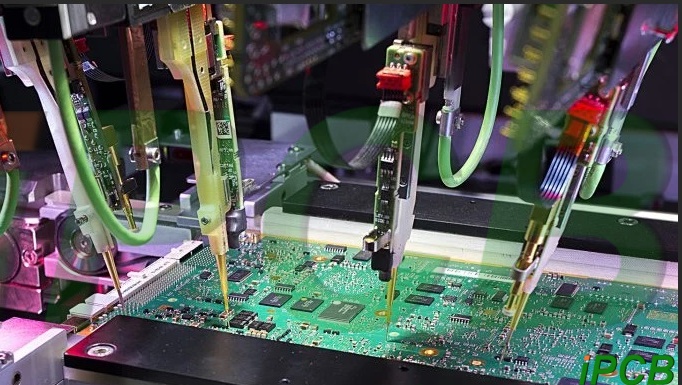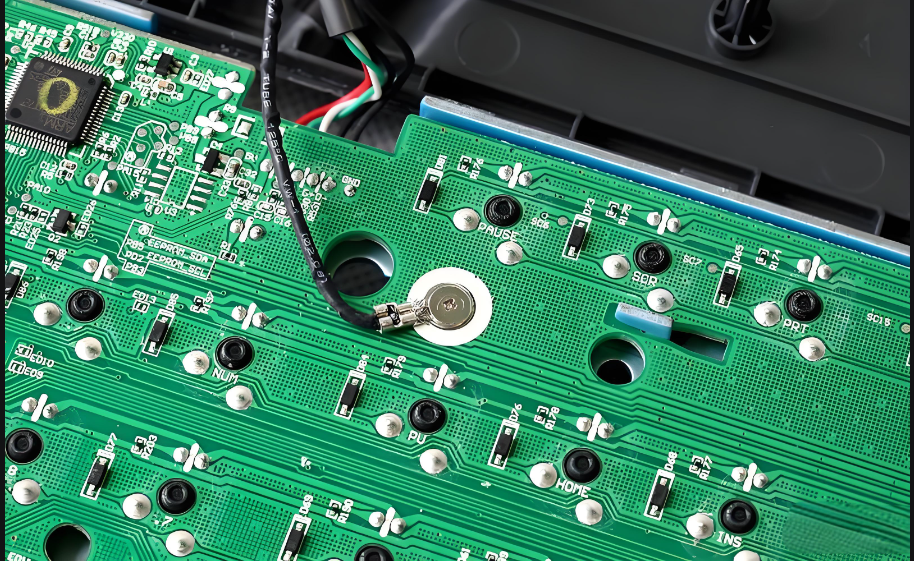
pcb board color is often the first feature people notice when they look at a circuit board. Green, black, blue, red and white boards appear very different, but color alone does not indicate the performance or quality level of a PCB. On most rigid circuit boards, the visible color comes from the solder mask covering the copper traces rather than from the FR-4 substrate itself.
Choosing a pcb board color should therefore involve more than deciding which option looks more advanced. The selected color must support solder mask processing, automated inspection, manual repair, silkscreen readability, product appearance and any special optical requirements. Green is normally the most practical choice for general industrial electronics, while white, black or other colors may be more appropriate for LED lighting, consumer products or visual product identification.
PCB Color Comes from the Solder Mask
A typical circuit board consists of a substrate, copper circuitry, solder mask and legend layer. FR-4 is usually pale yellow or light green, while the copper traces retain their metallic color. The large green, black or blue area visible on a finished PCB is the solder mask applied over the copper.
The solder mask covers copper areas that should not receive solder. It helps reduce solder bridging during reflow or wave soldering and provides the copper circuitry with a degree of mechanical and environmental protection. Pads, edge connectors and selected test points remain exposed through openings in the solder mask.
For this reason, PCB board color normally does not determine substrate dielectric performance, copper thickness, current-carrying capacity or the internal layer structure. A black PCB does not automatically provide better electrical performance, and a green PCB is not a lower-grade product simply because the color is common.
Different solder mask colors, however, do not always behave identically during manufacturing. Pigment systems can affect exposure, development, curing, surface finish and color stability. Engineers should check the technical data for the specific ink rather than assuming that every color has the same processing window.
Commercial solder mask systems are available in green, black, blue, red, white and several less common colors. Qualified products in these colors can support lead-free assembly and meet relevant solder mask performance requirements.
Why Green Is the Standard Choice
Green remains the most common PCB board color because green solder mask has been used and optimized across a very large volume of circuit board production. It is not a mandatory industry standard, but its manufacturing process is mature and widely available.
For PCB manufacturers, green solder mask normally offers stable material availability and well-established exposure, development and curing parameters. Production lines frequently process green boards, so a standard green order is less likely to require special ink preparation or additional line cleaning. This can support predictable lead times, manufacturing yield and cost.
Green also provides useful visual contrast with exposed copper, metallic pads, solder joints and white silkscreen. Solder mask misalignment, scratches, exposed copper and legend defects are generally easier to identify against this background. During repair, technicians can also inspect traces and solder joints without the visibility limitations associated with some darker colors.
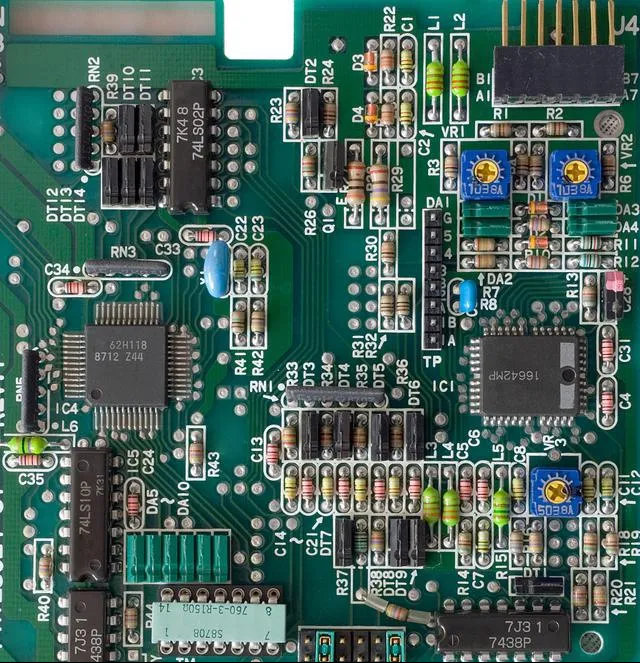
It would be inaccurate to claim that automated optical inspection can only work reliably with green boards. Modern AOI equipment can inspect multiple PCB board colors. Actual performance also depends on surface gloss, lighting, pad reflection, component color and the inspection program. The advantage of green lies in its mature process and consistent contrast rather than in an inability to inspect other colors.
Unless a project has a specific optical, identification or appearance requirement, a green PCB is usually the most balanced option for industrial controls, power electronics, communications equipment, instruments and general consumer products.
When Other PCB Colors Make Sense
A non-green PCB color should be selected for a defined application requirement rather than as an unsupported indication of product quality.
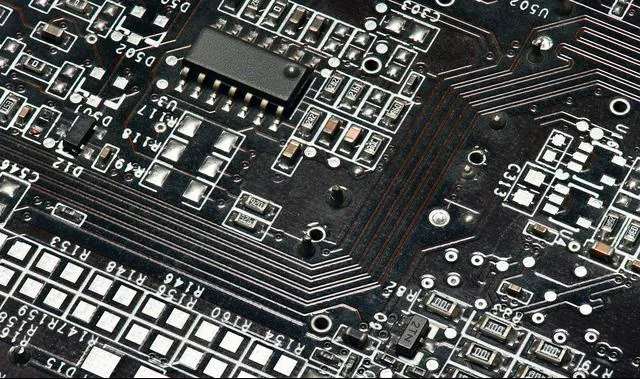
Black solder mask is common in consumer electronics, audio products, computer hardware and devices with a dark internal or external appearance. It can create a clean and consistent visual finish, but the dark surface may make copper traces, scratches, contamination and certain soldering defects more difficult to see. Debugging and manual repair may require stronger lighting or magnification.
A black PCB does not provide a meaningful thermal advantage simply because its surface is darker. PCB temperature is primarily controlled by copper area, copper thickness, thermal vias, stack-up, substrate thermal conductivity, component placement and heat transfer to the enclosure. Black solder mask should not be used as a substitute for proper thermal design.
White solder mask is particularly useful for LED boards and lighting modules. A reflective white surface can help control light distribution and reduce light absorption by the PCB. Solder mask manufacturers offer specialized white materials with high reflectance and improved resistance to discoloration for LED applications.
Color stability is a central manufacturing concern for white PCBs. Reflow temperature, curing conditions, coating thickness and production variation can affect the final shade. Long-term exposure to heat or ultraviolet light may also cause yellowing. An LED project should therefore specify reflectance, resistance to discoloration and post-assembly color consistency rather than requesting only a generic white PCB color.
Blue and red solder masks are often selected for branding, prototype identification, product family separation or appearance. They do not inherently indicate telecommunications, military or high-temperature performance. Suitability for harsh environments must be determined from the specific material certification, insulation properties, adhesion and environmental test results.
Yellow, purple, orange, transparent and other custom solder mask colors are also available. However, less common colors may require special material preparation, line cleaning or minimum order quantities. These requirements can increase the cost and lead time of small production runs.
Does PCB Color Affect Impedance
PCB color itself is not normally a direct impedance parameter, but solder mask thickness and dielectric properties can affect surface impedance traces. On high-speed or RF circuit boards, the solder mask covering a surface microstrip should be included in impedance modeling and production control.
The distinction between color and material system is important. Red solder mask should not automatically be assumed to be thicker, and black solder mask should not automatically be blamed for an impedance change. The relevant factors are cured thickness, dielectric characteristics, coverage over the trace and manufacturing tolerance.
Changing the PCB board color may also involve changing the solder mask product series or material supplier. In that situation, the existing impedance model may need to be reviewed. Controlled-impedance documentation should specify whether the trace is covered by solder mask, along with the target impedance, tolerance and test requirements.
Claims that dark solder mask must be electrically conductive because it contains dark pigments are also misleading. Qualified solder mask products must meet applicable insulation, adhesion and reliability requirements. Black, blue, red and white solder mask materials are available with lead-free compatibility and recognized solder mask performance classifications. Their suitability should be verified through technical data rather than inferred from color.
What to Confirm Before Selecting a Color
Green is usually the most practical PCB color for general industrial and commercial electronics when no special requirement exists. It can reduce material preparation and changeover costs while supporting established production, inspection and repair processes.
LED products should prioritize the reflectance, thermal color stability and aging performance of white solder mask. Consumer products that require a dark or distinctive appearance can use black, blue or red, but silkscreen contrast, AOI conditions, repair visibility and batch-to-batch color variation should be reviewed.
When PCB color is used to identify prototype revisions, voltage classes or functional modules, the color system must remain consistent across production batches. Changing the assigned colors without controlled documentation may create confusion during assembly and after-sales service.
Surface finish also matters. Matte and glossy versions of the same PCB color can produce different levels of reflection, visual texture and inspection behavior. Appearance-sensitive products should be evaluated with physical samples under the lighting and enclosure conditions of the final product.
Before production, iPCB can confirm the solder mask color, surface finish, legend color, mask openings, minimum solder mask dams and color consistency requirements. For white LED boards, black appearance boards and controlled-impedance PCBs, the color choice should be reviewed together with the manufacturing and inspection requirements rather than approved only from a visual rendering.
PCB Color Should Support the Application
PCB color mainly affects appearance, manufacturing convenience, inspection conditions and certain optical functions. It does not determine the quality grade of the finished circuit board.
Green usually provides the most stable and economical result for general electronics. White is valuable when LED reflectance is important, while black, blue and red are better suited to branding, appearance or product identification.
Material selection, stack-up, copper thickness, circuit design, solder mask quality, surface finish and assembly control remain the factors that determine PCB performance. The right PCB board color is the one that supports these engineering requirements while meeting the product’s manufacturing, inspection and visual objectives.