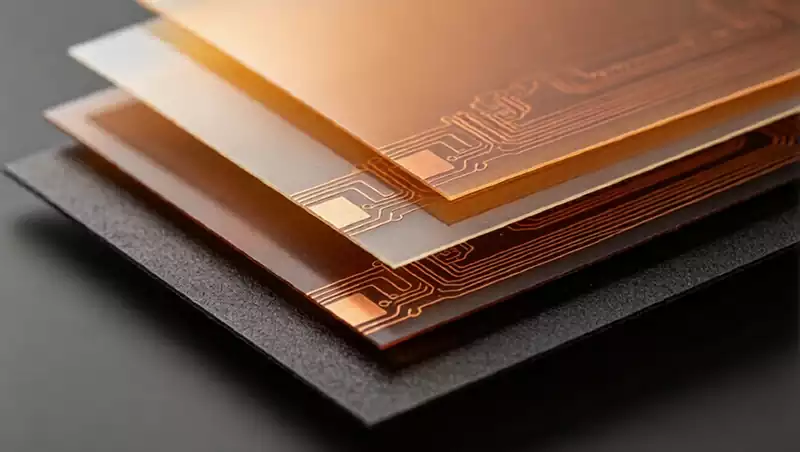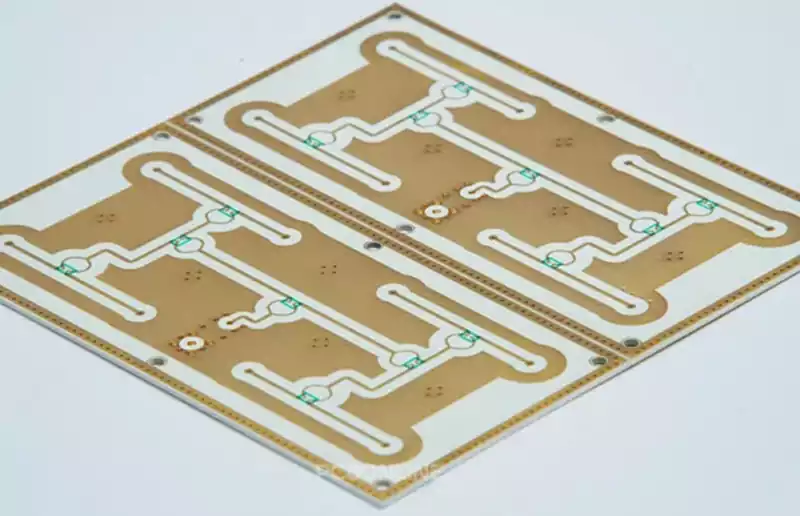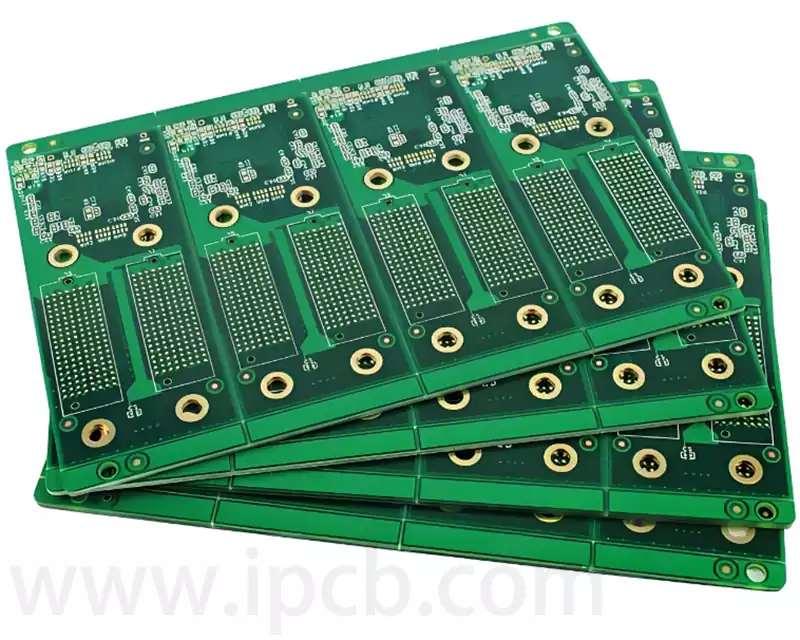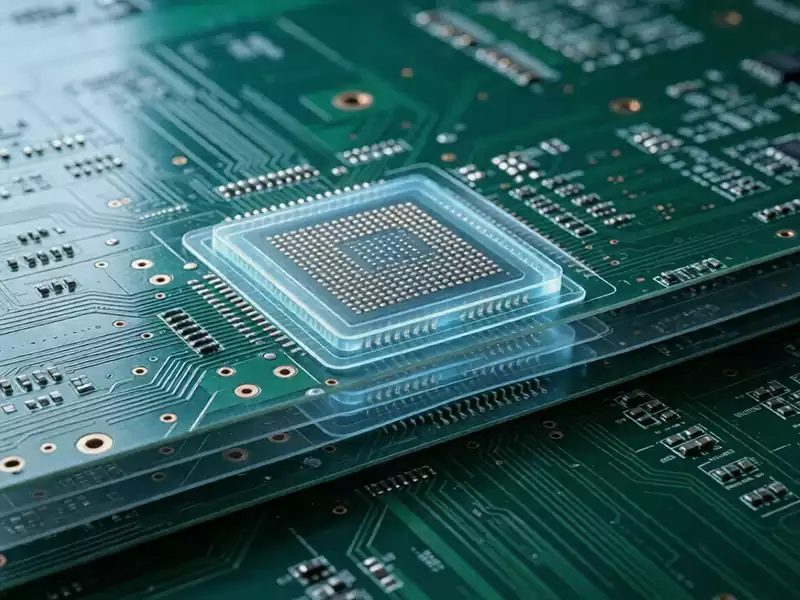
Conventional laminates such as FR-4 are limited by their dielectric properties and can no longer meet the performance requirements of high-frequency communication equipment, AI servers, and high-speed optical networking systems.Polytetrafluoroethylene (PTFE) has emerged as one of the most important substrate materials for high-performance PCBs because of its outstanding electrical insulation properties and exceptionally low transmission loss. In recent years, PTFE-based laminates have gained widespread adoption across the high-end PCB industry, creating several rapidly growing market segments and establishing themselves as one of the most important materials supporting next-generation electronic systems.
The continuous evolution of high-frequency communication technologies has created long-term demand for PTFE materials. Compared with conventional PCB substrates, PTFE offers a significantly lower dielectric constant (Dk) and dissipation factor (Df), effectively minimizing signal attenuation and distortion during high-frequency transmission. These electrical characteristics make polytetrafluoroethylene an ideal substrate for applications such as 5G macro base stations, military radar systems, millimeter-wave communications, and other RF and microwave equipment that require exceptional signal integrity.
Leading laminate manufacturers such as Rogers have continued to innovate by incorporating polytetrafluoroethylene technology into advanced high-frequency backplane materials designed for next-generation high-speed computing platforms. Although large-scale commercialization is still developing, the ongoing expansion of 5G infrastructure and future deployment of 6G communication technologies are expected to create sustained demand for high-performance PCB materials, providing long-term growth opportunities for PTFE laminates.
The rapid advancement of AI computing has also accelerated the adoption of Polytetrafluoroethylene in premium PCB applications. Modern AI server architectures continue to increase in complexity, with backplanes commonly exceeding 60 to 70 layers while demanding extremely stable high-speed signal transmission. Owing to its superior electrical performance, PTFE has become an attractive material for next-generation server backplanes.
As future GPU platforms and custom AI accelerators continue to evolve, PTFE laminates are expected to deliver higher signal integrity and lower transmission loss, significantly increasing the value of high-performance PCBs. At the same time, the growing deployment of custom ASIC processors is driving demand for multilayer PCBs with more than 30 layers, further increasing the adoption of polytetrafluoroethylene materials in advanced computing systems.
Another important industry trend is the gradual convergence of high-frequency and high-speed PCB technologies. Traditionally, ultra-high-speed digital applications relied primarily on hydrocarbon resin laminates, including M8 and M9 materials. However, PTFE‘s superior low-loss electrical characteristics are enabling its expansion into ultra-high-speed digital applications, including 400G and 800G Ethernet switch backplanes, high-speed optical modules, and advanced networking equipment, where it is increasingly replacing conventional resin-based materials. While this premium market has historically been dominated by Japanese material suppliers, Chinese manufacturers are accelerating the development of advanced PTFE composite laminates, with several leading companies actively pursuing customer qualification and commercial production in an effort to reduce dependence on imported materials.
The growing adoption of PTFE is reshaping the entire high-end PCB supply chain. In the copper-clad laminate (CCL) sector, PTFE laminates command substantially higher prices than conventional FR-4 products because of their superior electrical performance and more sophisticated manufacturing processes. These premium materials also offer significantly higher profit margins, making them an increasingly attractive product category for laminate manufacturers.
Growth opportunities also extend to upstream materials. The production of third-generation low-dielectric (Low-Dk) fiberglass fabrics requires highly specialized manufacturing technologies and long production ramp-up cycles, creating considerable barriers to market entry. As production capacity continues to expand, these advanced reinforcement materials are expected to become an increasingly important component of the high-frequency PCB supply chain.
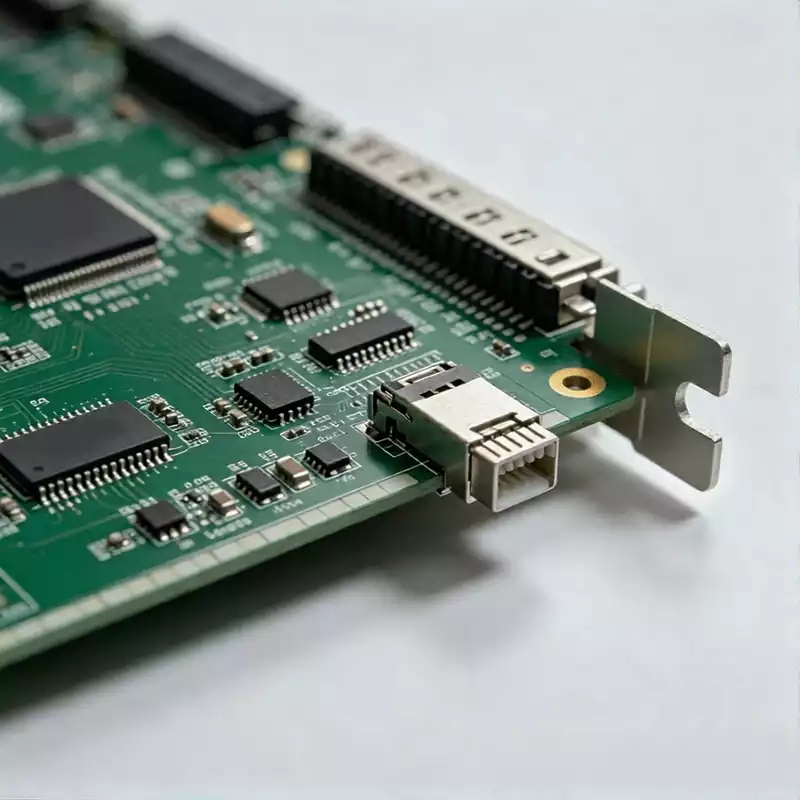
Downstream PCB manufacturing equipment is undergoing similar upgrades. Because PTFE exhibits unique mechanical characteristics compared with conventional laminates, drilling, lamination, and precision machining require significantly higher process accuracy. As demand for polytetrafluoroethylene -based PCBs continues to increase, manufacturers are investing heavily in advanced laser drilling equipment and precision lamination technologies capable of delivering higher manufacturing yields and improved production efficiency.
Despite its exceptional electrical performance, polytetrafluoroethylene remains one of the most challenging PCB substrate materials to process. Its relatively soft structure and chemical inertness make drilling and machining more difficult, often resulting in lower manufacturing yields than conventional PCB materials. Nevertheless, under extreme operating conditions involving high frequencies, elevated temperatures, and heavy electrical loading, PTFE provides electrical stability and transmission reliability that conventional laminates cannot achieve. Global production capacity for PTFE-based copper-clad laminates remains relatively limited, while demand continues to grow rapidly, creating a favorable long-term supply-demand imbalance for manufacturers capable of producing high-quality PTFE materials.
To improve manufacturability, material suppliers have developed composite laminates that combine Polytetrafluoroethylene with epoxy or hydrocarbon resin systems. These hybrid materials retain polytetrafluoroethylene’s outstanding electrical characteristics while significantly improving mechanical strength, processing performance, and manufacturing efficiency. As composite material technologies continue to mature, their adoption in AI servers, high-speed networking equipment, and advanced communication infrastructure is expected to accelerate.
Looking ahead, three key technological developments will largely determine the future competitiveness of PTFE PCB materials. The first is the continued optimization of polytetrafluoroethylene-hydrocarbon composite technologies to balance electrical performance with manufacturing cost. The second is improving the interfacial bonding between PTFE substrates and low-profile copper foil to enhance long-term structural reliability and electrical stability. The third is the development of low-temperature lamination technologies specifically designed for PTFE materials, enabling higher production yields while reducing manufacturing costs.
As the electronics industry continues to evolve toward higher frequencies, faster data transmission, and greater levels of integration, polytetrafluoroethylene has become one of the most important substrate materials supporting advanced PCB technology. With its ultra-low dielectric loss, outstanding signal integrity, and excellent environmental reliability, PTFE is expected to replace conventional PCB materials in an expanding range of high-performance applications. Supported by the continued growth of next-generation communications, AI computing infrastructure, and advanced semiconductor technologies, PTFE laminates will play an increasingly important role in driving innovation throughout the global high-end PCB industry.